






-
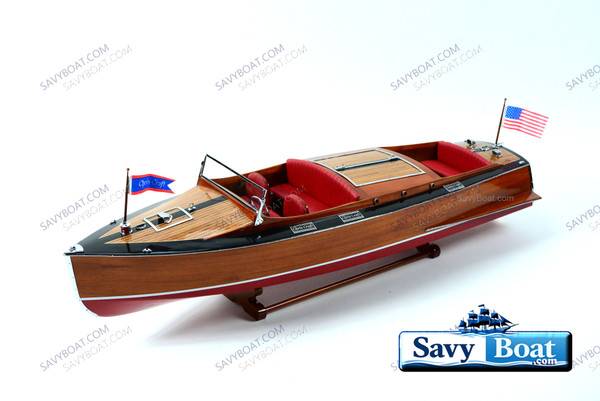

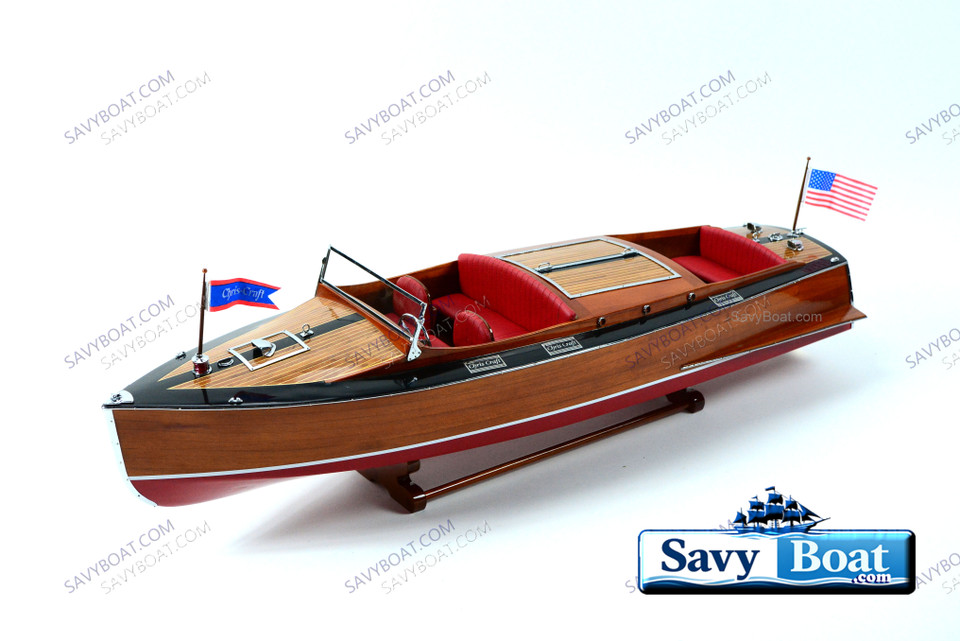
1930 24ft CHRIS CRAFT 36" RUNABOUT
SAVY DIRECT PRICE $699.96MSRP: $724.991930 CHRIS CRAFT RUNABOUT Dimension approx.: 36″ (long) x 10″ (beam) – Scale 1/8 The model is already built. THIS IS NOT A MODEL SHIP KIT The 1930 Chris‑Craft runabout o -
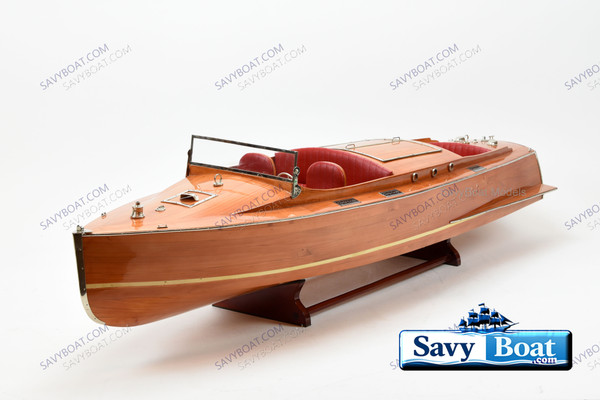

1930 CHRIS CRAFT 48" RC READY RUNABOUT
SAVY DIRECT PRICE $1,099.96MSRP: $1,199.991930 CHRIS CRAFT 48" RC READY RUNABOUT Dimension approx.: 324.40L x 7.08W x 7.87H RC READY - hatches open for easy installation of your RC equipment, propeller(s) and motor... -


1930 24ft CHRIS CRAFT 21'' RUNABOUT
SAVY DIRECT PRICE $379.96MSRP: $399.99CHRIS CRAFT RUNABOUT 21" FULLY BUILT AND READY TO DISPLAY MODEL Dimension approx.: 21″ L x 6″ W x 7″H. The model is already built. THIS IS NOT A MODEL SHIP KIT The 1930 Chris‑Craft...
Description

1930 CHRIS CRAFT RC READY RUNABOUT
- Dimension approx.: 36″ (long) x 10″ (beam) – Scale 1/8
- RC READY - hatches open for easy installation of your RC equipment, propeller(s) and motor (not included)
- The model is already built. THIS IS NOT A MODEL SHIP KIT
The 1930 Chris‑Craft runabout occupies a fascinating place in the company’s history—a boat born at the intersection of innovation, necessity, and the harsh economic realities of the Great Depression. By 1930, Chris‑Craft had already become America’s premier builder of wooden powerboats, known for their gleaming mahogany, dependable performance, and broad appeal. But the stock market crash of 1929 forced even the most successful manufacturers to rethink their strategies.
At the time, Chris‑Craft’s official model list for the 1930 season included boats ranging from 20 to 48 feet. Conspicuously absent was a small, entry‑level runabout. That changed quickly. As orders evaporated in early 1930, the company recognized the need for a more affordable model—something that preserved the luxury and safety features of larger Chris‑Crafts but at a price point families could still reach. The result was the 17‑foot Model 99, a design that would not appear in catalogs until 1931 but was conceived and prototyped during the darkest months of 1930.
The first of these boats, Hull #14000, was completed on May 6, 1930, in Algonac, Michigan. This prototype was a double‑cockpit “turtle‑back” runabout, distinguished by its top vents rather than the porthole side vents that later became standard. It carried the Chris‑Craft name painted boldly on both bow and transom—a common practice of the era—and was shipped to Detroit via Flint on June 1, 1930. Though modest in size, the Model 99 retained the hallmarks of the brand: varnished wood, thoughtful detailing, and a hull form that delivered both speed and stability.
Priced at $1,295, the Model 99 was the least expensive Chris‑Craft available—still more than twice the cost of a 1930 Ford Model A, but dramatically cheaper than the company’s larger runabouts. This strategic pricing helped Chris‑Craft weather the Depression by opening its lineup to a broader market. The Model 99 also marked a milestone: it was the first Chris‑Craft under 20 feet, setting the stage for the 1931 Model 199 and a new generation of compact, affordable runabouts.
Today, the 1930 Model 99—especially the original prototype—is prized by collectors for its rarity and historical significance. It represents Chris‑Craft’s resilience during one of the most challenging periods in American manufacturing, as well as the company’s ability to blend economy with craftsmanship. For historians and restorers, resources like the Mariner’s Museum hull card archives provide invaluable documentation of these early boats, preserving the lineage of each hull built.
More than a Depression‑era adaptation, the 1930 Chris‑Craft runabout stands as a symbol of the company’s ingenuity: a small boat with a big legacy, crafted at a moment when style, practicality, and survival had to coexist on the same gleaming mahogany deck.