











-
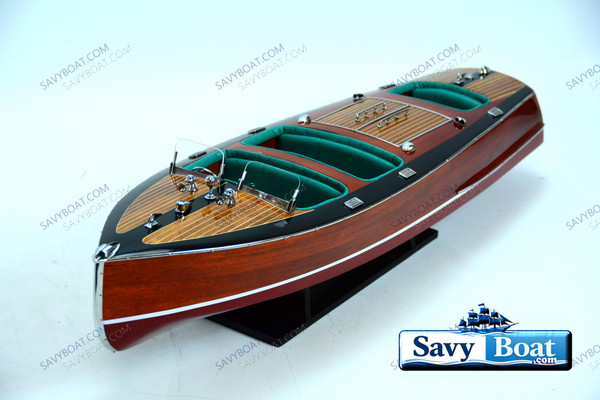

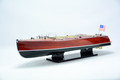
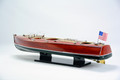
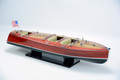
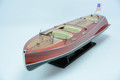
1940 CHRIS CRAFT TRIPLE COCKPIT SPEEDBOAT (GRN)
SAVY DIRECT PRICE $729.96MSRP: $769.99CHRIS CRAFT TRIPLE COCKPIT SPEED BOAT (GREEN) FULLY BUILT AND READY TO DISPLAY SHIP MODEL Dimension approx.: 32″ (long) x 9″ (wide) x 9″ (high) The model is already built. THIS IS -


CHRIS CRAFT DUAL COCKPIT RC READY
SAVY DIRECT PRICE $769.96MSRP: $799.99CHRIS CRAFT DUAL COCKPIT RC READY FULLY BUILT AND READY TO DISPLAY HIGH QUALITY SHIP MODEL Dimension approx.: 31″ (long) x 7″ (wide) x 6″ (high) The model is already built. THIS IS NOT A... -


1940 CHRIS CRAFT BARREL BACK SPEED BOAT 34"
SAVY DIRECT PRICE $749.96MSRP: $799.991040 CHRIS CRAFT BARREL BACK 34" SPEED BOAT FULLY BUILT AND READY TO DISPLAY BOAT MODEL Dimension approx.: 34″ (long) x 11″ (beam) The model is already built. THIS IS NOT A MODEL...
Description

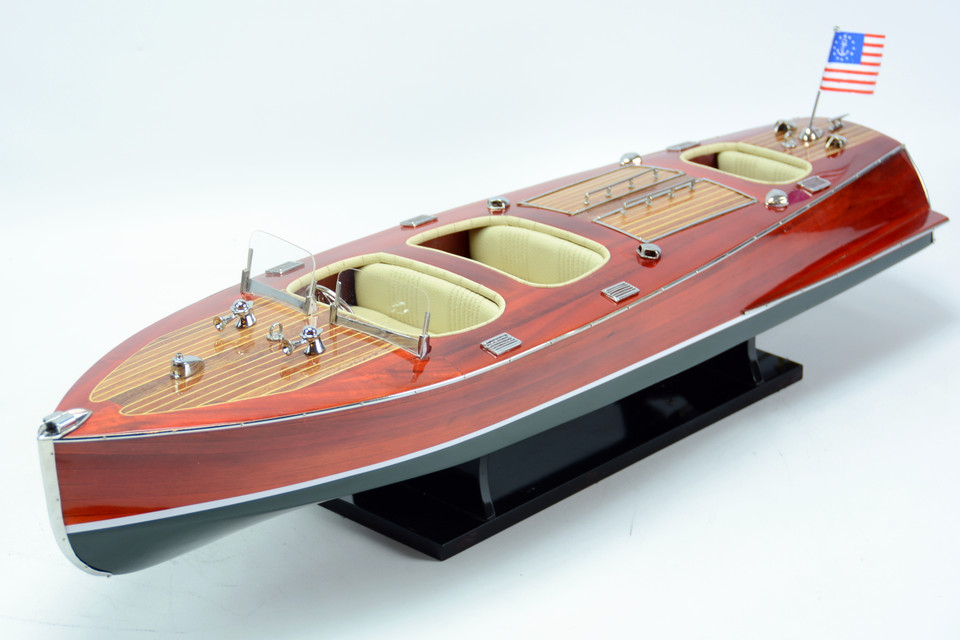
CHRIS CRAFT TRIPLE COCKPIT SPEED BOAT (RED)
FULLY BUILT AND READY TO DISPLAY SHIP MODEL
- Dimension approx.: 32″ (long) x 9″ (wide) x 9″ (high)
- The model is already built. THIS IS NOT A MODEL SHIP KIT
By 1940, Chris‑Craft had already established itself as America’s premier builder of wooden runabouts—sleek, varnished mahogany machines that embodied the glamour and optimism of pre‑war recreational boating. Among the most admired of these designs was the Triple Cockpit Speed Boat, a model that blended luxury, performance, and social elegance in a way few boats of the era could match.
The “Triple Cockpit” designation referred to its distinctive layout: a forward cockpit for guests, a central cockpit for the driver, and a third cockpit aft for additional passengers or storage. This arrangement created a sense of intimacy and balance, allowing families and friends to spread out comfortably while still sharing the experience of speed and open water. It also gave the boat a long, graceful profile—one of the defining visual signatures of Chris‑Craft’s golden age.
Typically measuring 17 to 21 feet, the 1940 Triple Cockpit featured a planked mahogany hull, polished to a deep, mirror‑like sheen and accented with chrome‑plated hardware. Chris‑Craft’s construction methods of the era—double or even triple layers of mahogany—gave these boats both strength and a smooth, quiet ride. They were as much works of craftsmanship as they were machines, each one a floating sculpture of varnish, brass, and American ingenuity.
Performance was equally impressive. Powered by Chris‑Craft six‑cylinder or V8 inboard engines producing 100–150 horsepower, these runabouts could reach 25–35 mph, remarkable speeds for wooden pleasure craft of the time. They were ideal for recreational speed boating, early water skiing, and leisurely cruising on lakes and coastal waters. For many families, a Triple Cockpit was the centerpiece of summer life.
The model also reflected a cultural moment. In the late 1930s and early 1940s, boating was becoming a symbol of leisure and upward mobility in the United States. The Triple Cockpit appealed to affluent buyers, social clubs, and waterfront estates on both coasts. These boats appeared at major boat shows, in resort marinas, and in the boathouses of prominent families. They represented not just transportation, but lifestyle—sunlight on varnish, the smell of warm mahogany, and the thrill of speed across open water.
Today, the 1940 Chris‑Craft Triple Cockpit is one of the most collectible pre‑war runabouts. Fully restored examples often command six‑figure prices, especially when originality is preserved. Enthusiasts devote countless hours to replicating period‑correct varnish, upholstery, and hardware, while sometimes upgrading engines for safety and reliability. Each restoration is an act of preservation—an effort to keep alive the craftsmanship and elegance of a vanished era.
The legacy of the 1940 Triple Cockpit is unmistakable. It stands as a testament to Chris‑Craft’s mastery of wooden boatbuilding and its role in shaping American recreational boating. With its elegant lines, versatile seating, and timeless charm, the Triple Cockpit remains one of the most beloved icons of pre‑World War II maritime design—a boat that continues to captivate collectors and historians alike.