







-

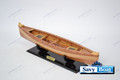
CANADIAN CEDAR STRIP MOAT CANOE 31
SAVY DIRECT PRICE $299.96MSRP: $329.99CANADIAN CEDAR STRIP MOAT CANOE FULLY BUILT AND READY TO DISPLAY MUSEUM QUALITY SHIP MODEL Dimension approx.: 31″ (long) x 7″ (wide) x 6″ (high) The model is already built. THIS IS NOT A... -


PETERBOROUGH CANOE (RED)
SAVY DIRECT PRICE $299.96MSRP: $349.99PETERBOROUGH CANOE (RED) FULLY BUILT AND READY TO DISPLAY, HIGH QUALITY MODEL Dimension Approx.: 31.5″ (long) x 7″ (wide) x 5″ (high) The model is already built, NOT a model ship k -


PETERBOROUGH CANOE (NATURUAL)
SAVY DIRECT PRICE $299.96MSRP: $349.99PETERBOROUGH CANOE (NATURUAL) FULLY BUILT AND READY TO DISPLAY, HIGH QUALITY MODEL Dimension Approx.: 31.5″ (long) x 7″ (wide) x 5″ (high) The model is already built, NOT a model s
Description

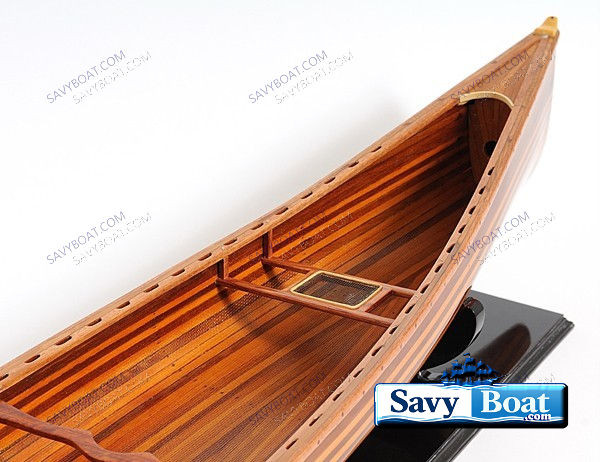
CANADIAN CEDAR STRIP MOAT CANOE
FULLY BUILT AND READY TO DISPLAY MUSEUM QUALITY SHIP MODEL
- Dimension approx.: 24″ (long) x 6″ (wide) x 5″ (high)
- The model is already built. THIS IS NOT A MODEL SHIP KIT
- Rosewood, mahogany, teak and other exotic woods are carefully selected to build the model
- The model is 100% hand built by artisans from scratch
The term “Canadian” as used in Europe to describe open canoes originated from 19th‑century misunderstandings about North American canoe types. Early canoeing clubs—largely elite organizations—believed that a proper canoe was a decked, double‑ended craft paddled with a double‑blade paddle or sailed. Among open canoes, they only approved the cedar‑rib “Canadian style” canoe from Canada, which the American Canoe Association endorsed. They dismissed the more practical wood‑and‑canvas canoes, descended from Indigenous birchbark designs, as inferior “rag canoes,” even though these were cheaper, easier to build, and widely used.
Because European paddling culture grew out of these early assumptions, people in the UK and other European countries adopted “Canadian canoe” as the standard term for any open canoe, especially since kayaks were considered a subtype of canoe. Over time, the label was applied broadly—even to types that the original clubs rejected, such as decked whitewater canoes and wood‑and‑canvas canoes. In North America, however, the prefix “Canadian” soon fell out of use, leaving simply “canoe” and “kayak.” The European terminology persisted, rooted in those early historical misconceptions.