









-


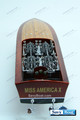
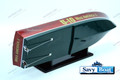
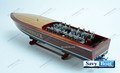
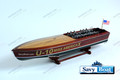
GAR WOOD'S MISS AMERICA IX RACE BOAT
SAVY DIRECT PRICE $699.96MSRP: $699.99GAR WOOD'S MISS AMERICA IX RACE BOAT FULLY BUILT AND READY TO DISPLAY HIGH QUALITY SHIP MODEL Dimension Approx.: 32″ L x 8.5″ W x 7″ H</ -


MISS SEVERN RACING BOAT
SAVY DIRECT PRICE $599.96MSRP: $649.99MISS SEVERN RACING BOAT FULLY BUILT AND READY TO DISPLAY HIGH QUALITY SHIP MODEL Dimension Approx.: 31.5″L x 8″W x 7″H -

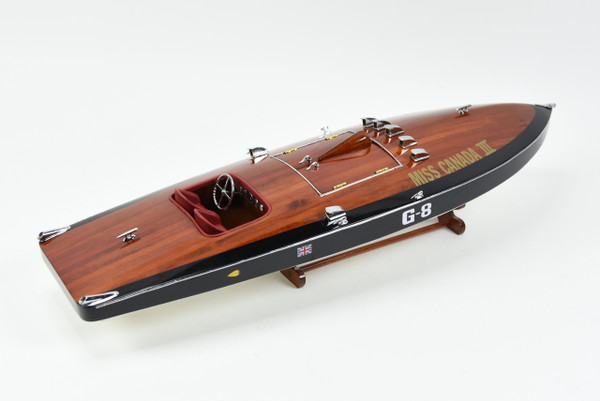
MISS CANADA III RACE BOAT
SAVY DIRECT PRICE $689.96MSRP: $699.99MISS CANADA III RACE BOAT FULLY BUILT AND READY TO DISPLAY HIGH QUALITY SHIP MODEL Dimension Approx.: 33.5″L x 9.5″W x 7″H
Description

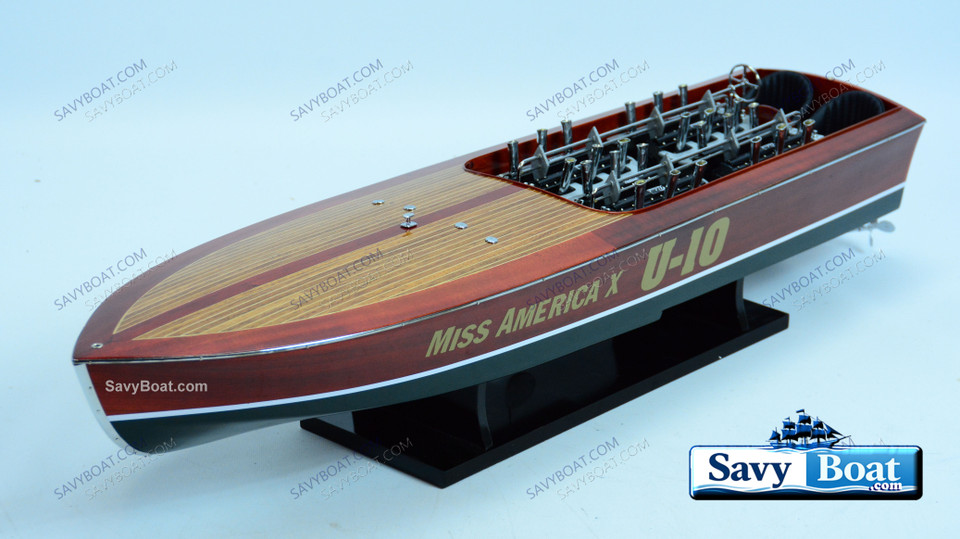
GAR WOOD'S MISS AMERICA X RACE BOAT
FULLY BUILT AND READY TO DISPLAY HIGH QUALITY SHIP MODEL
- Dimension Approx.: 32″ (long) x 8.5″ (wide) x 7″ (high)
- The model is already built, NOT a model ship kit
By the early 1930s, Garfield Arthur “Gar” Wood had already become a legend — the dominant force in international powerboat racing and the man who had turned the Harmsworth Trophy into a personal dynasty. But in 1932, Wood unveiled the machine that would define his legacy for all time: Miss America X, the tenth and final boat in his storied Miss America series, and the most powerful hydroplane the world had ever seen.
Built in Algonac, Michigan, Miss America X was a monumental leap forward in both scale and ambition. At 38 feet and nearly eight tons, she dwarfed her predecessors. Her hull, designed by master builder Nap Lisee, was a study in strength and hydrodynamic efficiency — a broad, muscular form capable of absorbing unprecedented horsepower. Beneath her deck thundered four Packard V‑12 engines, adapted from the Liberty aircraft engines used aboard the U.S. Navy airship Shenandoah. Working side by side with Packard engineers, Wood pushed these engines to astonishing output, creating a combined power plant that delivered over 7,000 horsepower — an unheard‑of figure for the era.
The goal was audacious: to travel more than two miles per minute on water.
On July 17, 1932, on the St. Clair River between Michigan and Ontario, Miss America X fulfilled that ambition. Wood drove her to a world‑shattering 125.4 mph, a record that stood for more than three decades. The boat’s thunderous speed, towering rooster tail, and unmistakable four‑engine roar became symbols of American engineering at its most fearless. She went on to win the 1932 and 1933 Harmsworth Trophy races, securing Wood’s ninth and final victory in the event and cementing Miss America X as the ultimate expression of his racing genius.
After her competitive career ended, Miss America X passed into the hands of famed collector William Harrah, and later the Harrah estate. She appeared at shows and regattas through the 1980s before undergoing a meticulous restoration by Mayea Boatworks in the mid‑1990s. Today, she is preserved at the Packard Proving Grounds Historic Site in Michigan — a fitting home for a boat whose heart and history are inseparable from Packard’s engineering legacy.
Miss America X stands as one of the most important powerboats ever built. She represents the culmination of Gar Wood’s relentless pursuit of speed, the peak of 1930s marine innovation, and a defining chapter in the story of American competition. Even now, nearly a century later, her silhouette and her record‑breaking achievements continue to inspire awe.