












-
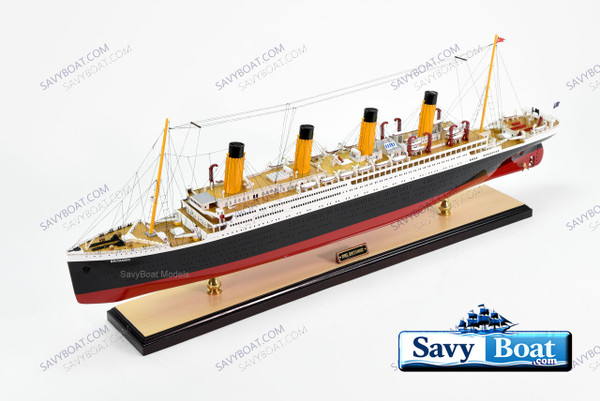

RMS BRITANNIC OCEAN LINER
SAVY DIRECT PRICE $1,099.96MSRP: $1,199.99RMS BRITANNIC CIVILIAN COLOR SCHEME PASSENGER LINER FULLY BUILT AND READY TO DISPLAY MUSEUM QUALITY SHIP MODEL BEAUTIFUL MUSEUM QUALITY MODEL Dimension approx.: 40.5″ (long) x 5″ (wide) x 13... -


USNS COMFORT (T-AH-20) HOSPITAL SHIP
SAVY DIRECT PRICE $899.96MSRP: $979.99USNS COMFORT (T-AH-20)US NAVY HOSPITAL SHIP The USNS Comfort (T‑AH‑20) is a Mercy‑class hospit -
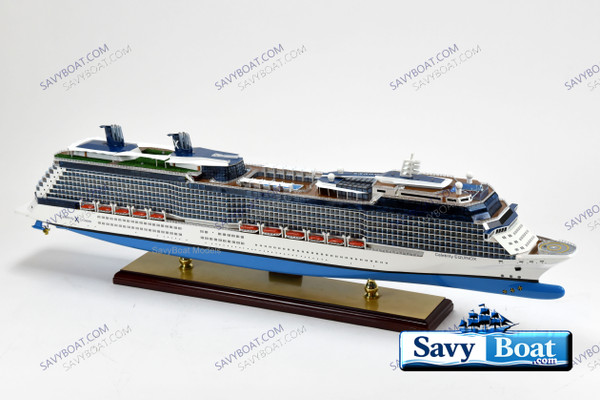
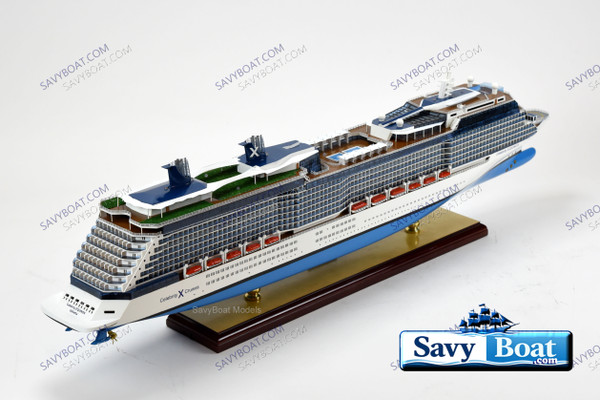
CELEBRITY EQUINOX LIGHTED CRUISE SHIP
SAVY DIRECT PRICE $1,499.96MSRP: $1,599.99CELEBRITY CRUISE LINE EQUINOX PASSENGER SHIP FULLY BUILT AND READY TO DISPLAY MUSEUM QUALITY SHIP MODEL BEAUTIFUL MUSEUM QUALITY MODEL Illuminated model, lit by interior LED lighting (power...
Description

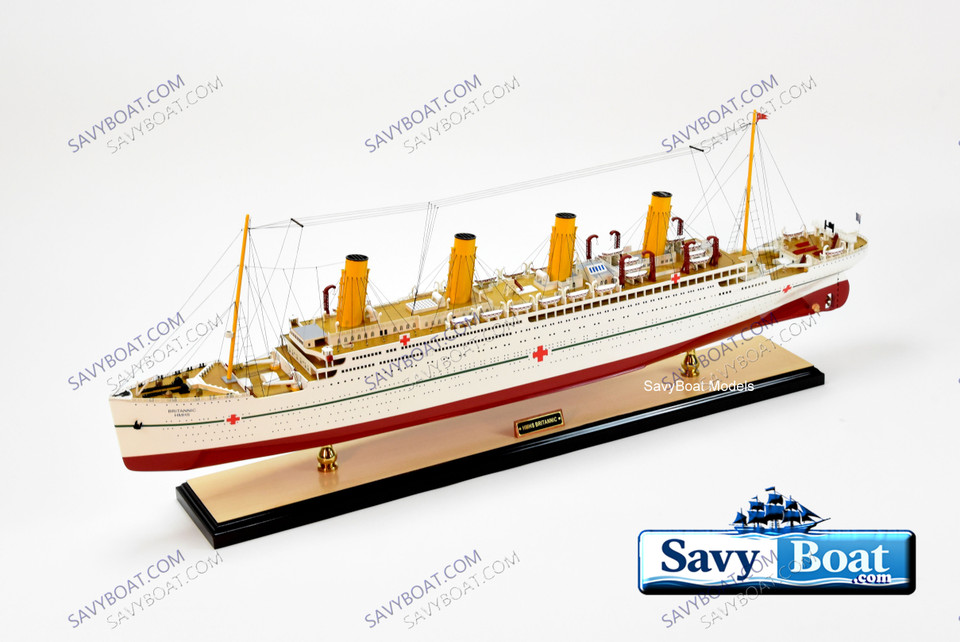
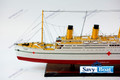
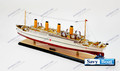
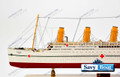
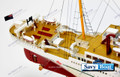
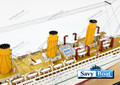
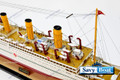
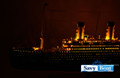
HMHS BRITANNIC LIGHTED OCEAN LINER HOSPITAL SHIP
FULLY BUILT AND READY TO DISPLAY MUSEUM QUALITY SHIP MODEL
- BEAUTIFUL MUSEUM QUALITY MODEL
- Dimension approx.: 40.5″ (long) x 5″ (wide) x 13.5″ (high).
- LIGHTED MODEL - (power supply not included)
- This beautiful model is already built, NOT a kit.
- Handcrafted from finest wood and metal fittings.
- Open die cut side hull windows, NOT painted like those built by most other companies.
- The model is 100% hand built by artisans from scratch
- Hand-painted to match the actual ship.
HMHS Britannic was the final vessel of the White Star Line’s Olympic class of steamships. She was born in Belfast under the shadow of her famous sisters, Olympic and Titanic—yet Britannic was meant to surpass them both. Launched in February 1914, she emerged from the Harland & Wolff shipyard as the safest and most advanced of the Olympic‑class liners, her hull widened for a double bottom and her watertight bulkheads raised high after the lessons learned from Titanic’s loss. As the document notes, she was “designed to be the safest of the three ships with design changes made during construction due to lessons learned from the sinking of the Titanic.”
But the world she entered was not the one she had been built for. War swept across Europe before Britannic could carry a single paying passenger. Requisitioned in late 1915, she was repainted white with great red crosses and transformed into His Majesty’s Hospital Ship Britannic. Inside her once‑luxurious decks, wards, operating rooms, and thousands of beds replaced the salons and staterooms intended for transatlantic travelers. As your document describes, “3,309 beds and several operating rooms were installed… the first‑class dining room and the first‑class reception room… were transformed into operating rooms.”
For months she sailed the Mediterranean, carrying the wounded from the Dardanelles with a kind of steady, dutiful grace. Her voyages were long, her decks crowded with nurses, RAMC orderlies, and the injured who filled her wards. Life aboard settled into a rhythm of treatment, meals, inspections, and the quiet determination of a ship repurposed for mercy.
Then came the morning of 21 November 1916. Britannic steamed through the Kea Channel under a calm Aegean sky when, at 08:12, a violent explosion tore through her starboard bow. She had struck a mine laid by U‑73. The blast ripped open her forward compartments, and water surged in faster than her improved safety systems could contain. The document recounts that “the first four watertight compartments were filling rapidly with water… Britannic had reached her flooding limit.”
Captain Charles Bartlett tried desperately to beach her on the nearby island of Kea, but the ship’s increasing list and the flooding through open portholes doomed the attempt. Lifeboats swung out, some too soon—two were sucked into the still‑turning propellers in a horrific moment that cost many lives. Yet despite the chaos, most of those aboard escaped. “By 08:50, most of those on board had escaped in the 35 successfully launched lifeboats.”
Fifty‑five minutes after the explosion, the great liner rolled to starboard, her funnels collapsing one by one, and slipped beneath the Aegean. She became the largest ship lost in the First World War.
Though thirty people died, more than a thousand survived—rescued by nearby ships, fishermen, and their own determination. Britannic’s wreck was found decades later, lying on her side in deep, clear water, astonishingly intact for a ship of her size. As the document notes, “the vessel is the largest intact passenger ship on the seabed in the world.”
Today she rests quietly off the coast of Greece, a vast steel cathedral of light and shadow—Titanic’s younger sister, built for glory, transformed for war, and remembered for her final, heroic service.