




-


BBC BREAK BULK 1/87 CARGO SHIP
SAVY DIRECT PRICE $749.96MSRP: $799.99BBC BREAK BULK CARGO SHIP FULLY BUILT AND READY TO DISPLAY SHIP MODEL Dimension Approx.: 40″L x 8.5"W x 10″H HO SCALE 1:87 The model is already built. THIS IS NOT A MODEL SHIP KIT When... -
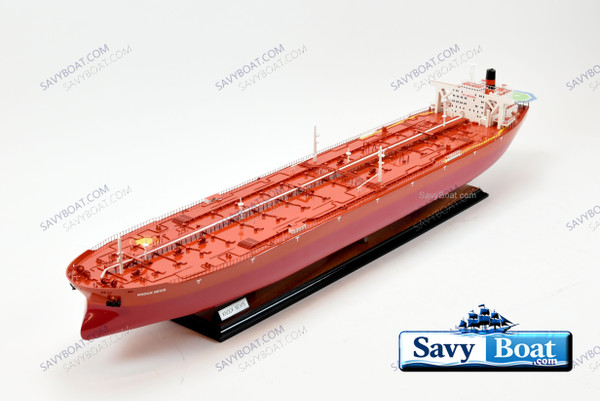

TT KNOCK NEVIS ULTRA CRUDE CARRIER
SAVY DIRECT PRICE $929.96MSRP: $999.99TT KNOCK NEVIS ULTRA CRUDE CARRIER FULLY BUILT AND READY TO DISPLAY HIGH QUALITY SHIP MODEL Dimension approx.: 45″ L x 7.5″ W x 10″ H The model is already built. THIS IS NOT A MODEL... -
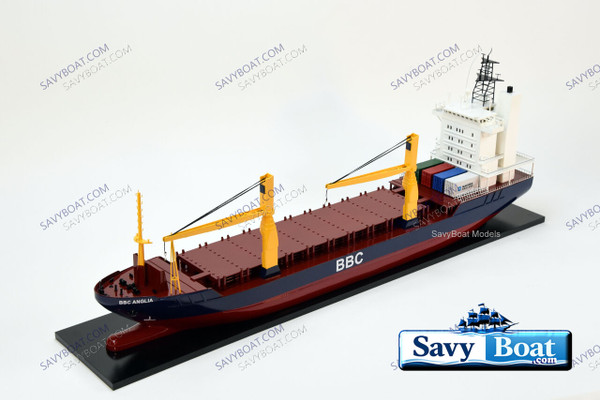

BBC BREAK BULK 1/87 CARGO SHIP WATERLINE
SAVY DIRECT PRICE $749.96MSRP: $799.99BBC BREAK BULK CARGO SHIP WATERLINE FULLY BUILT AND READY TO DISPLAY SHIP MODEL Dimension Approx.: 40″L x 8.5"W x 10″H HO SCALE 1:87 The model is already built. THIS IS NOT A MODEL SHIP...
Description

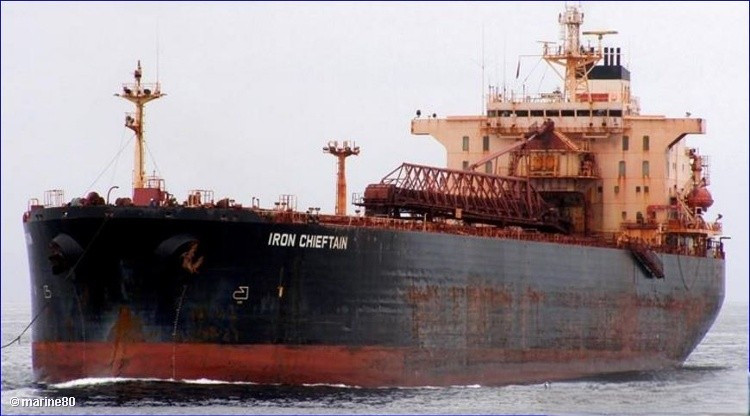
IRON CHIEFTAIN, SELF DISCHARGING BULK CARRIER
FULLY BUILT AND READY TO DISPLAY MUSEUM QUALITY SHIP MODEL
- Dimension approx.: 39.5″ L x 6.5″ W x 11.5″ H
SS Iron Chieftain was owned by CSL Group Inc, the 202 meter, 50,000 tonne and is a self-discharging bulk carrier. Its cargo of 34,000 tonnes of dolomite, unloaded using an on-board system of conveyor belts and a discharge boom, is used in the manufacture of steel.
When the Iron Chieftain slid down the ways at Hyundai Heavy Industries in 1993, she was built for work, not glamour. At 202 meters long and fitted with a powerful self‑discharging system, she was designed to keep Australia’s coastal industries moving—dolomite, ore, limestone, the raw materials of steel and construction. For more than two decades, she did exactly that. Quietly, steadily, she became a familiar sight along the Australian coast, calling at Whyalla, Port Kembla, and the industrial ports that depended on her reliability.
She belonged to a lineage—the last of the Australian‑flagged, Australian‑crewed “Iron” ships that once formed the backbone of BHP’s coastal fleet. By the 2010s, most of her sisters were gone, sold or scrapped as the era of Australian‑crewed bulk carriers faded. Yet the Iron Chieftain remained, a stubborn survivor of a shrinking tradition. Crews who served aboard her often spoke of the pride that came with sailing under the Australian flag, knowing they were among the final keepers of a maritime heritage.
Her end began on an ordinary June day in 2018. She was discharging dolomite at Port Kembla, her conveyors humming through the familiar rhythm of cargo work. Deep inside the C‑Loop—her internal cargo handling heart—a bearing failed. Friction built, heat rose, and in moments a rubber conveyor belt ignited. What began as a small, hidden spark became a roaring fire.
Flames raced upward through the ship’s self‑unloading system, consuming the C‑Loop and leaping to the exterior discharge boom. For five days the fire burned, resisted by firefighters and ship’s crew who fought it with determination and no small amount of luck. Fuel tanks were breached, steel warped, and the intricate machinery that defined her purpose was destroyed. Miraculously, no lives were lost and no pollution escaped into the harbor, but the ship herself was mortally wounded.
Investigators later noted the regulatory blind spots—self‑unloading bulk carriers like the Iron Chieftain operated with fire detection and suppression systems that lagged behind the risks inherent in their design. Her loss became a case study in what needed to change.
Declared a constructive total loss, she lingered at Port Kembla for months, stripped of purpose and awaiting her fate. On March 27, 2019, tugs eased her away from the berth for the last time. She began a slow, 100‑day tow across half the world to Turkey, where the cutting torches waited.
With her departure, an era ended. The Iron Chieftain was more than a ship—she was the final echo of the Australian‑crewed “Iron” fleet, a working vessel that carried not just cargo but the pride of generations of seafarers. Her story is remembered not for triumph or tragedy alone, but for what she represented: endurance, service, and the closing of a chapter in Australia’s maritime history.