























-

EXCLUSIVE EDITION RMS TITANIC OCEAN LINER
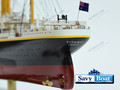
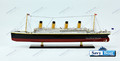
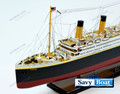
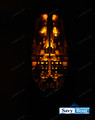
SAVY DIRECT PRICE $1,149.96MSRP: $1,249.99LIGHTED RMS TITANIC PASSENGER SHIP - EXCLUSIVE SPECIAL EDITION FULLY BUILT AND READY TO DISPLAY MUSEUM QUALITY SHIP MODEL BEAUTIFUL MUSEUM QUALITY MODEL Dimension approx.: 40″ L x 5.5″ W... -


RMS TITANIC OCEAN LINER
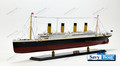
SAVY DIRECT PRICE $1,049.96MSRP: $1,199.99RMS TITANIC PASSENGER SHIP - EXCLUSIVE SPECIAL EDITION FULLY BUILT AND READY TO DISPLAY MUSEUM QUALITY SHIP MODEL BEAUTIFUL MUSEUM QUALITY MODEL Dimension approx.: 40″ L x 5.5″ W x 14″... -


RMS TITANIC 24" OCEAN LINER
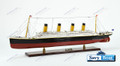
SAVY DIRECT PRICE $339.96MSRP: $399.99RMS TITANIC OCEAN LINER FULLY BUILT AND READY TO DISPLAY MUSEUM QUALITY SHIP MODEL Dimension approx.: 24 inches long This beautiful model is already built, NOT a kit. Probably the most famous...
Description

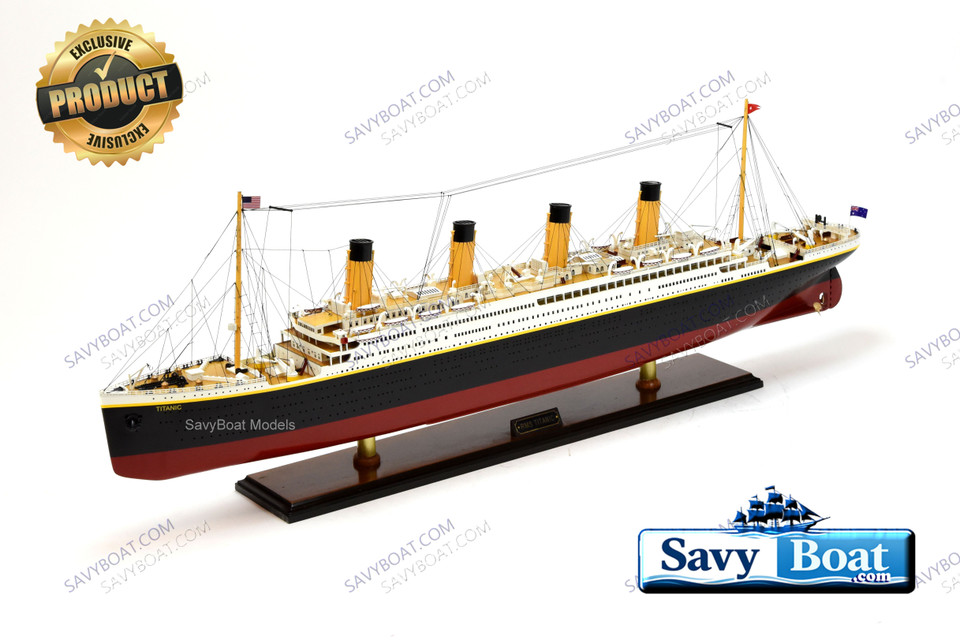
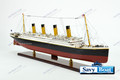
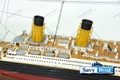
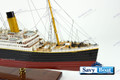
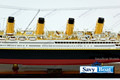
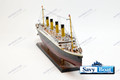
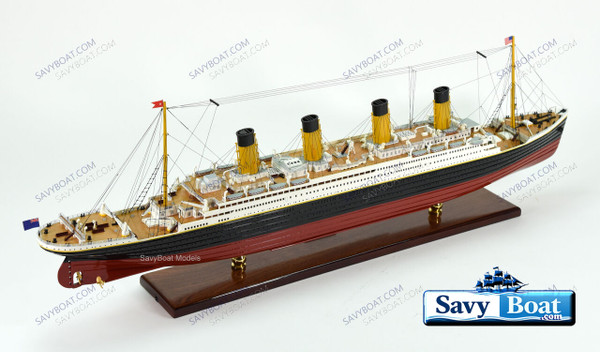
LIGHTED RMS TITANIC PASSENGER SHIP - EXCLUSIVE SPECIAL EDITION
FULLY BUILT AND READY TO DISPLAY MUSEUM QUALITY SHIP MODEL
- BEAUTIFUL MUSEUM QUALITY MODEL
- Dimension approx.: 40″ L x 5.5″ W x 14″ H
- This beautiful model is already built, NOT a kit.
Probably the most famous of all cruise liners, RMS Titanic White Star Line ocean liner most notably from the 1997 James Cameron film starring Leonardo DiCaprio & Kate Winslet. Titanic was a British passenger liner that sank in the North Atlantic Ocean in the early in the morning on April 15th, 1912. After colliding with an iceberg during her maiden voyage from Southampton to New York City the RMS Titanic sunk and of the 2,224 passengers and crew aboard, more than 1,500 died, making it one of the deadliest commercial peacetime maritime disasters in modern history.
When the RMS Titanic slid down the ways at Harland & Wolff’s Belfast yard in 1911, she embodied the confidence of a new century. Her steel hull stretched nearly nine hundred feet, her decks layered with the comforts of a grand hotel. In the first‑class corridors, polished wood gleamed beneath electric lights; a swimming pool, Turkish bath, and gymnasium promised refinement at sea. Even her size seemed to defy the ocean itself. To many, she was not just a ship—she was a statement about human progress.
On April 10, 1912, Titanic left Southampton on her maiden voyage, pausing briefly in Cherbourg and Queenstown before turning west toward New York. The weather was calm, the sea like dark glass. Passengers settled into their routines: promenades on deck, music drifting from the first‑class lounge, the hum of engines deep below. Few paid much attention to the ice warnings arriving by wireless throughout April 14. The ship pressed on at speed.
Near midnight, a lookout spotted a pale shape ahead—an iceberg rising out of the darkness. The warning bell rang, the helm swung hard, and the engines reversed, but the maneuver came too late. The berg scraped along the starboard side, opening the hull in a series of fatal wounds. At first, the damage seemed almost trivial; the ship barely shuddered. But below, seawater surged through the forward compartments, and the truth became clear: Titanic was doomed.
The next hours unfolded in a mixture of confusion, disbelief, and quiet heroism. Lifeboats were lowered half‑full at first, the crew struggling to enforce the “women and children first” protocol. The band played to steady nerves. Families were separated. Some passengers, especially in the lower decks, fought simply to reach the boat deck. By the time the last lifeboat pulled away, the bow was already submerged, the stern lifting into the night sky.
At 2:20 a.m. on April 15, the great liner broke apart and slipped beneath the freezing Atlantic. More than 1,500 people were left in the water or trapped aboard as she went down. Only a fraction survived, rescued hours later by the Carpathia.
In the aftermath, the world demanded answers. Investigations in both the United States and Britain exposed failures in lifeboat regulations, wireless procedures, and iceberg monitoring. Out of tragedy came reform: new safety standards, continuous radio watches, and the creation of the International Ice Patrol.
Today, the Titanic rests over two miles beneath the surface, her bow still recognizable, her decks slowly succumbing to time and pressure. The wreck is both a scientific site and a memorial, a reminder of the night when human ambition met the unforgiving reality of the sea. More than a century later, her story continues to echo—an enduring symbol of loss, courage, and the fragile line between confidence and catastrophe.