















-

 img:low-bottom-with-special-offer.pngimg:low-bottom-with-special-offer.png
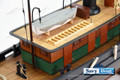
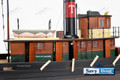
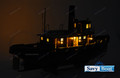
SHELLEY FOSS LIGHTED RC READY TUG BOAT
SAVY DIRECT PRICE $100.00 - $889.96SHELLEY FOSS TUG BOAT, LIGHTED, RC READY FULLY BUILT AND READY TO DISPLAY, QUALITY SHIP MODEL Dimension approx.: 36″ (long) x 12″ (wide) x 20″ (high) The model is already built. THIS IS... -

LORD NELSON RC READY VICTORY TUG BOAT
SAVY DIRECT PRICE $799.96MSRP: $939.99LORD NELSON RC READY VICTORY TUG BOAT FULLY BUILT AND READY TO DISPLAY & PLAY QUALITY SHIP MODEL Dimension approx.: 28.5″ (long) x 9″ (wide) x 20″ (high) The model is already built. ... -


JAWS SHARK HUNTING BOAT ORCA - RC READY & LIGHTED
SAVY DIRECT PRICE $1,799.96MSRP: $1,899.99The ORCA from “JAWS” movie by Steven Spielberg Approximate dimensions: 35 inches long by 10 3/4 inches wide by 28 inches high The boat has a complete interior: table, bench, chair made from wood...
Description

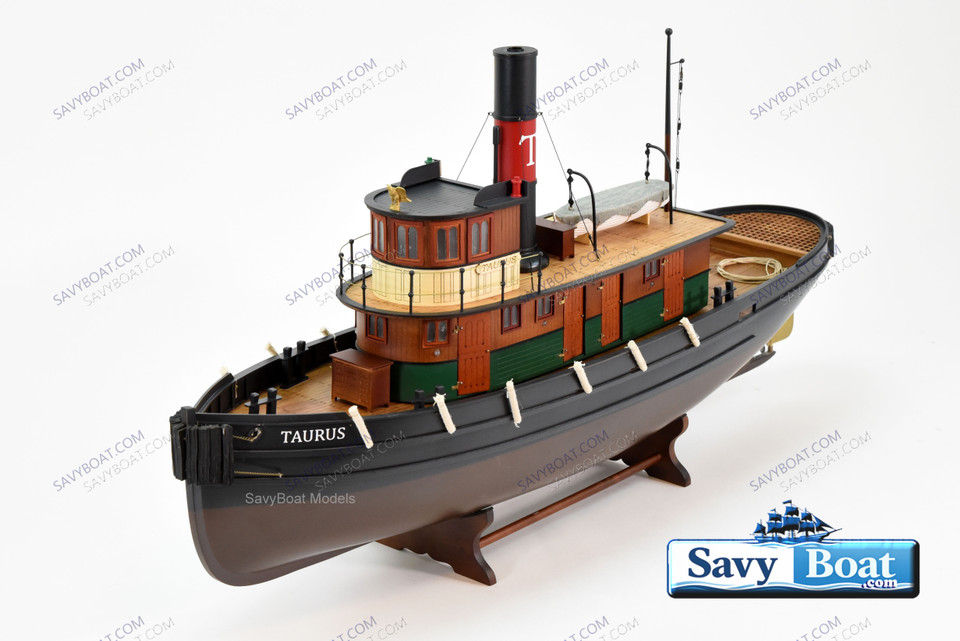
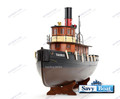
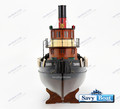
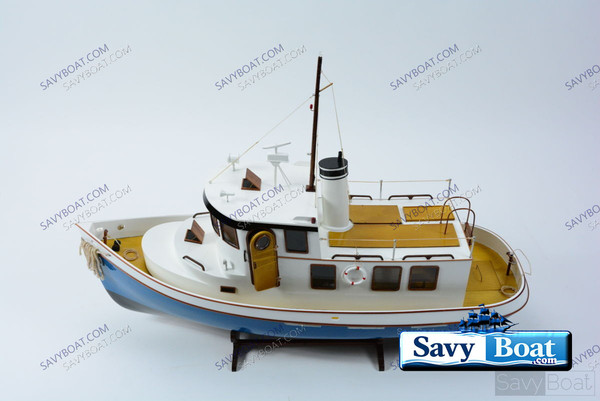
TAURUS RC READY LIGHTED STEAM TUG BOAT
FULLY BUILT AND READY TO DISPLAY MUSEUM QUALITY SHIP MODEL
- Dimension approx.: 36″L x 9″W x 18″ H
- The model is already built. THIS IS NOT A MODEL SHIP KIT
- LIGHTED WITH LED LIGHTING INSTALLED (power supply not included)
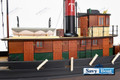
- Museum Quality with highest details handcrafted by artisans
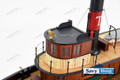
- Doors are open-able with door nobs. Window are precisely cut out with trimming outside
- RC convertible including all hardware: Brass rudder, Rudder Arm, and Shaft
- Smoke stack is hollow inside and ready for smoke.
- Pre-installed LED light ( 5V), you still need to connect to your battery power source
- You can install more spot light, navigation lights, deck lights…
The name Taurus carries two histories: one rooted in the diesel‑powered workhorses of the late 20th century, the other in the steam‑driven tugboats that once filled America’s great harbors with the sound of pistons and whistles. Together, they trace the evolution of the tugboat itself — from the age of steam to the era of high‑efficiency diesel power.
A Modern Workhorse: Taurus of the Pacific Northwest
The real tug Taurus began life far from the steam era her name evokes. Built in 1975 at North American Shipbuilding in Larose, Louisiana, she was launched as the Corey Chouest for Edison Chouest Offshore — a tough, steel‑hulled, twin‑screw diesel tug designed for serious work.
In 1976, she was sold to Inlet Marine of Anchorage and given the name Taurus, a title she would carry for the rest of her career. Three years later she joined Dunlap Towing Company of La Conner, Washington, where she became a familiar sight in the rugged waters of the Pacific Northwest.
Her specifications reflected the new generation of tug design:
-
89.5 feet long, 27 feet in beam, 199 gross tons
-
2,250 horsepower, driven by twin Caterpillar 399‑D diesels
-
Fixed‑pitch propellers with 7:1 reduction gears
-
Rated for coastwise unrestricted towing
She was part of the diesel revolution that had swept through the tug industry since the 1930s — a shift toward engines that were cleaner, more efficient, and far easier to maintain than the boilers and pistons of the steam age.
Yet the name Taurus is also tied to a very different vessel — a museum‑quality steam tugboat model, built using plank‑on‑frame construction and based on early 20th‑century American harbor tugs. This Taurus represents the era when steam ruled the waterfront.
These steam tugs were compact but immensely strong, designed to:
-
Pull great liners away from their piers
-
Push barges through crowded channels
-
Maneuver freighters in tidal flats and narrow rivers
Their tall funnels, wooden wheelhouses, and rhythmic exhaust beats were once the soundtrack of ports from New York to San Francisco.
By the 1930s, diesel engines began replacing steam. By the 1960s, nearly all steam tugs had vanished, surviving only as museum pieces — reminders of a vanished industrial world.
The Taurus model preserves that memory: the brass fittings, the riveted hull lines, the upright funnel, the stout towing bitts — all crafted to honor the steam tugs that built America’s maritime infrastructure.
The dual identity of Taurus mirrors the broader story of tugboats themselves:
-
1805: The first steam tug, Charlotte Dundas, proves the concept.
-
Mid‑1800s: Steam tugs spread to major ports, replacing animal and human towing.
-
Early 1900s: Steam tugs reach their peak — powerful, reliable, essential.
-
1930s–1960s: Diesel engines take over, reshaping the industry.
-
1970s onward: Modern diesel‑electric tugs dominate global towing and harbor work.
The real Taurus — a diesel tug of the 1970s — represents the culmination of that evolution. The model Taurus — a steam tug of the early 1900s — preserves the beginning.
Whether as a working tug pushing barges through the Pacific Northwest or as a handcrafted model capturing the romance of steam, Taurus stands as a symbol of the tugboat’s enduring role in maritime history.
She represents strength, utility, and the quiet heroism of the vessels that do the hardest work in every harbor — guiding ships larger than themselves, shaping the flow of commerce, and bridging the past and present of maritime engineering.
A small name, perhaps — but a big story.