








-

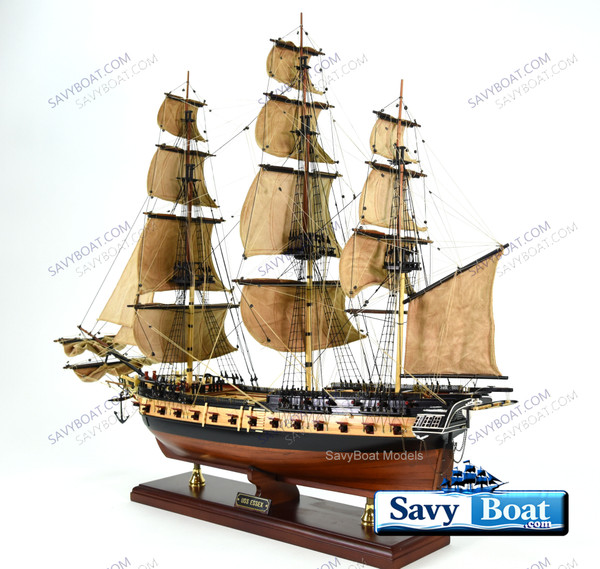
1799 USS ESSEX FRIGATE
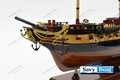
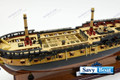
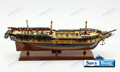
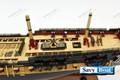
SAVY DIRECT PRICE $999.96MSRP: $1,099.991799 USS ESSEX FRIGATE FULLY BUILT AND READY TO DISPLAY MUSEUM QUALITY SHIP MODEL Dimension Approx.: 32″ L x 10.5″ W x 28″ H APPROX SCALE 1:72 The model is al -
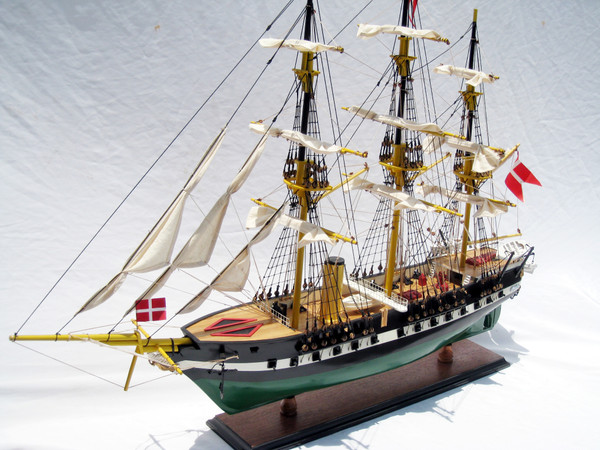

HDMS JYLLAND (FREGATTEN JYLLAND) FRIGATE
SAVY DIRECT PRICE $999.96MSRP: $1,099.99HDMS JYLLAND (FREGATTEN JYLLAND) FRIGATE FULLY BUILT AND READY TO DISPLAY MUSEUM QUALITY SHIP MODEL Dimension approx.: 39L x 11W x 26.5H The model is already built. THIS IS NOT A MODEL... -
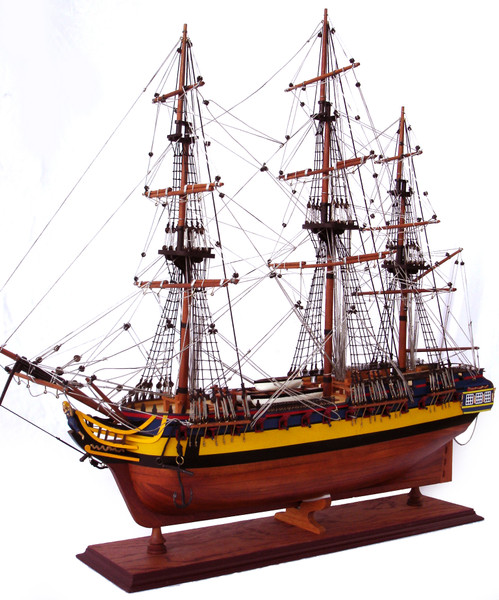
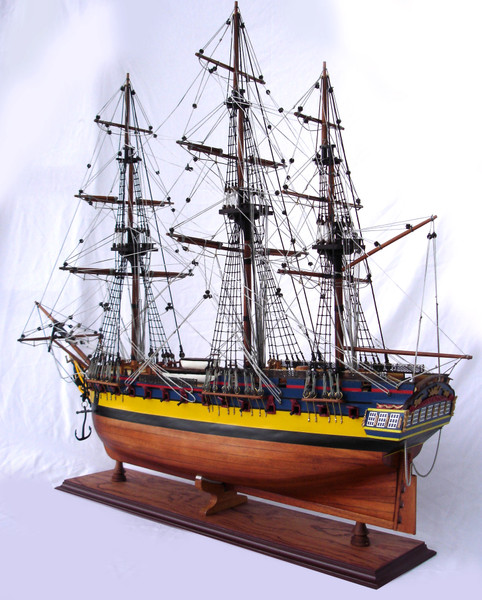
1757 HMS DIANA FRIGATE TALL SHIP
SAVY DIRECT PRICE $749.96MSRP: $799.991757 HMS DIANA FRIGATE TALL SHIP FULLY BUILT AND READY TO DISPLAY QUALITY SHIP MODEL Dimension Approx.: 32″ (long) x 8″ (wide) x 30″ (high) The model is already
Description

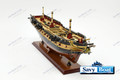
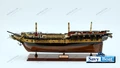
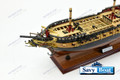
1799 USS ESSEX FRIGATE
FULLY BUILT AND READY TO DISPLAY MUSEUM QUALITY SHIP MODEL
- Dimension Approx.: 32″ L x 10.5″ W x 28″ H
- APPROX SCALE 1:72
- The model is already built, NOT a model ship kit
She was born from the pockets and pride of a single American community. Salem and Essex County raised the money themselves—“$139,362 subscribed by the people of Salem and Essex County”—to build a frigate worthy of a young nation still learning how to defend its place on the world’s oceans. When USS Essex slid into the water on 30 September 1799, she carried not just 32 to 36 guns, but the hopes of a country determined to prove it could stand against the great naval powers of the age.
Her earliest years were spent in the long shadow of European conflict. In the Quasi‑War with France, Essex crossed oceans few American warships had yet dared. She became “the first US Naval ship to cross the Equator”, then the first to double the Cape of Good Hope—twice—while escorting merchantmen to the far side of the world. Storms battered her, her launch was lost in a gale at Cape Town, and her rigging needed constant repair, but she completed her mission and returned home with the quiet confidence of a ship that had already seen more of the world than most of her navy.
In the First Barbary War, Essex joined the Mediterranean squadron sent to confront the corsairs of Tripoli. She spent a year convoying American merchants and blockading hostile ports, part of the young republic’s first sustained overseas naval campaign. The document notes how “she participated in the Battle of Derne on 27 April 1805,” supporting the famous overland assault that helped force peace with Tripoli. By 1806 she returned home, worn but seasoned, and spent several years in and out of ordinary as the nation’s attention shifted.
War returned in 1812, and with it Essex’s most dramatic chapter. Under Captain David Porter, she swept southward into the Atlantic, capturing transports and the sloop HMS Alert—a victory that electrified the American public. Among her crew was a boy of ten, David Glasgow Farragut, who would one day become the U.S. Navy’s first admiral. He began his career here, on a frigate that would soon carry him into the Pacific.
Essex rounded Cape Horn in brutal weather, her crew half‑starved and battered by gales, but she emerged into the Pacific as a predator. In a single year she “captured thirteen British whalers,” crippling Britain’s whaling fleet and disrupting a vital industry. She even helped establish the United States’ first temporary colony in the Pacific at Nuku Hiva, a strange and short‑lived episode in American naval history.
But her luck ran out at Valparaíso in 1814. Trapped in neutral waters by HMS Phoebe and HMS Cherub, Porter tried to break free, only to lose his main topmast in a sudden squall—“Essex lost her main top‑mast to foul weather”—and was forced into battle. Phoebe’s long‑range guns outranged Essex’s carronades, and for two and a half hours the British ships pounded her from a distance she could not answer. Fires broke out; men leapt overboard; the ship was shattered. Porter finally struck his colors. Essex had lost 58 dead and 31 missing.
The British repaired her and took her into their navy as HMS Essex, though she would never again sail as a warship. She became a troopship, then a prison hulk at Cork and Kingstown, a grim final duty for a frigate that had once circled the globe. In 1837 she was sold at auction for £1,230—an unceremonious end for a ship that had carried the American flag farther than any of her generation.
Yet her legacy endured. Melville wrote of her. Patrick O’Brian borrowed her story. And in the early 21st century, when workers resurfacing the pier at Dún Laoghaire uncovered her old mooring anchor, it was as if the Essex had surfaced once more, reminding the world that the first great wanderer of the U.S. Navy had never truly been forgotten.