








-
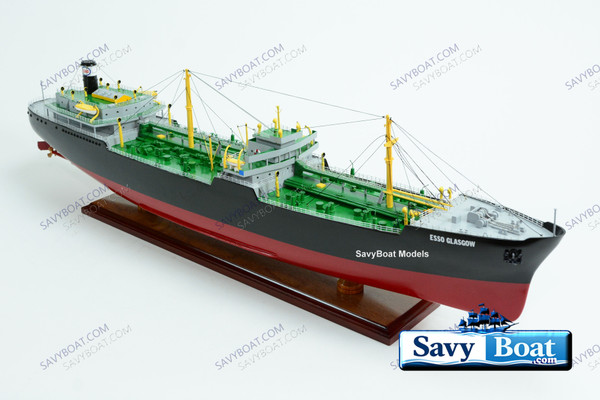

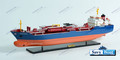
ESSO GLASGOW OIL TANKER
SAVY DIRECT PRICE $739.96MSRP: $779.99ESSO GLASGOW OIL TANKER FULLY BUILT AND READY TO DISPLAY MUSEUM QUALITY SHIP MODEL Dimension approx.: 37.5″ L x 6″ W x 10″ H. The model is already built. THIS IS NOT A MODEL SHIP... -
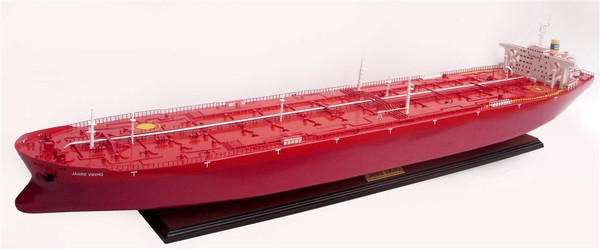

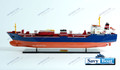
JAHRE VIKING OIL TANKER
SAVY DIRECT PRICE $699.96MSRP: $749.99JAHRE VIKING OIL TANKER FULLY BUILT AND READY TO DISPLAY MUSEUM QUALITY SHIP MODEL Dimension approx.: 45″ L x 7.5″ W x 10″ H The model is already built. THIS IS NOT A MODEL SHIP KIT In... -


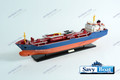
TEXACO BOGOTA OIL TANKER
SAVY DIRECT PRICE $449.96MSRP: $499.99TEXACO BOGOTA OIL TANKER FULLY BUILT AND READY TO DISPLAY MUSEUM QUALITY SHIP MODEL Dimension approx.: 31″ L x 4″ W x 8.3″ H The model is already built. THIS IS NOT A MODEL SHIP KIT
Description

ALGOCANADA OIL TANKER
FULLY BUILT AND READY TO DISPLAY MUSEUM QUALITY SHIP MODEL
- Dimension approx.: 34″ L x 5.5″ W x 12″ H
- The model is already built. THIS IS NOT A MODEL SHIP KIT
In the world of Great Lakes shipping, where the waterways are narrow, the weather unforgiving, and the cargoes essential to daily life, the ALGOCANADA represents the modern face of a long regional tradition. Built in 2008, she is not a relic of the past nor a museum piece — she is a working ship, a steel artery in motion, carrying the fuels and chemicals that keep industry, transportation, and communities running across the inland seas of Canada.
At 129.84 meters in length with a beam just under 20 meters, the ALGOCANADA is compact by ocean‑tanker standards but perfectly sized for the locks, channels, and tight approaches of the Great Lakes–St. Lawrence system. Her 11,267 DWT capacity and double‑hulled construction reflect the safety and environmental standards required for transporting refined petroleum products and industrial chemicals through freshwater routes that millions depend on.
Her profile is purposeful: a tall, forward deckhouse for visibility in confined waters, a long stretch of cargo tanks amidships, and a clean, functional stern. She is not built to impress tourists — she is built to work.
Since entering service, the ALGOCANADA has become a familiar sight in ports like Sarnia, Nanticoke, Sault Ste. Marie, and Port Dover. Her voyages are typically short but constant, threading through rivers, locks, and lakes with the steady rhythm of a vessel that rarely rests. AIS records show her moving at an average of 10–11 knots, with bursts above 14 knots when conditions allow.
Her routes form a web across the Great Lakes basin:
-
Fuel from Sarnia to Lake Erie ports
-
Chemical products to industrial terminals
-
Occasional runs into the Gulf of St. Lawrence
She is part of the quiet choreography that keeps Canada’s inland economy functioning — a tanker slipping through fog, ice, and summer haze with equal determination.
Operated by Algoma Central Corporation, the ALGOCANADA belongs to a specialized fleet that includes vessels like ALGONOVA and the Ding Heng–built tankers. Algoma’s product tankers are designed for reliability, maneuverability, and year‑round service, often operating in conditions that would challenge larger ocean‑going ships.
Though built in 2008, the ALGOCANADA is now approaching the midpoint of a tanker’s typical working life. Yet she remains thoroughly modern — equipped with efficient engines, advanced cargo‑handling systems, and the navigation technology required for the tight passages of the Seaway.
Unlike historic tall ships or storied ocean liners, the ALGOCANADA will never be a museum centerpiece. Her legacy is quieter, but no less important. She represents the backbone of Great Lakes commerce — the kind of vessel that delivers the fuel that heats homes, powers ferries, and keeps factories alive.
Every arrival and departure is part of a cycle that most people never see, but everyone relies on.
In that sense, the ALGOCANADA is a modern counterpart to the working ships of the past: steadfast, essential, and always on the move, carrying the lifeblood of a region across the inland seas.