






-

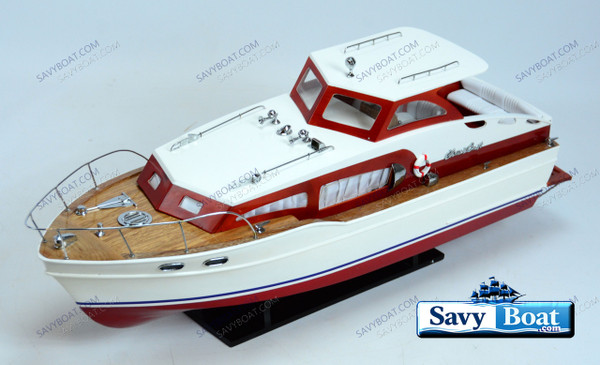
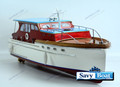
1956 CHRIS CRAFT CABIN CRUISER
SAVY DIRECT PRICE $829.96MSRP: $899.99CHRIS CRAFT CABIN CRUISER FULLY BUILT AND READY TO DISPLAY BOAT MODEL Dimension approx.: 34″ (long) x 11″ (beam) The model is already built. THIS IS NOT A MODEL SHIP KIT In... -


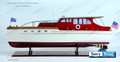
1929 CHRIS CRAFT COMMUTER CRUISER
SAVY DIRECT PRICE $799.96MSRP: $849.991929 CHRIS CRAFT COMMUTER CRUISER FULLY BUILT AND READY TO DISPLAY, SHIP MODEL Dimension approx.: 34″ (long) x 8″ (wide) x 11.5″ (high) The model is already built. THIS IS NOT A MODEL... -
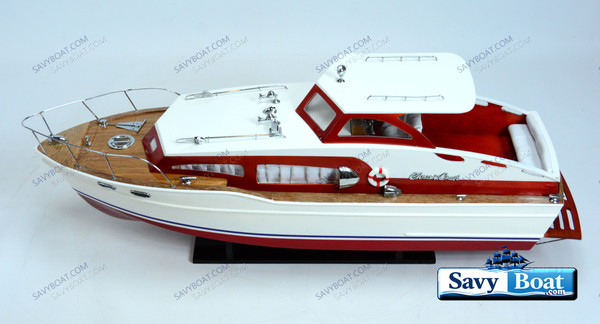

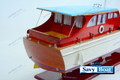
1956 CHRIS CRAFT RC READY CABIN CRUISER
SAVY DIRECT PRICE $869.96MSRP: $899.99CHRIS CRAFT RC READY CABIN CRUISER FULLY BUILT AND READY TO DISPLAY BOAT MODEL Dimension approx.: 34″ (long) x 11″ (beam) RC READY - propeller shafts and rudders installed with...
Description

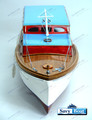
CHRIS-CRAFT DOUBLE STATEROOM CRUISER
FULLY BUILT AND READY TO DISPLAY HIGH QUALITY MODEL
- Dimension approx.: 32″ (long) x 7″ (wide) x 9″ (high)
- The model is already built. THIS IS NOT A MODEL SHIP KIT
In the mid‑20th century, as American families embraced leisure boating and weekend cruising, Chris‑Craft responded with some of the most elegant and thoughtfully designed yachts of the era: the double stateroom cruisers. These boats represented a natural evolution of the company’s heritage — a blend of mahogany craftsmanship, practical engineering, and the desire to bring true home‑like comfort to the water.
Chris‑Craft’s roots stretched back to Algonac, Michigan, where Christopher Columbus Smith built his first skiff in 1874. By the 1920s and 1930s, the company had become synonymous with varnished mahogany runabouts and stylish powerboats. As boating culture expanded after World War II, Chris‑Craft recognized a growing demand for larger, more comfortable cruisers capable of hosting families for extended trips. The double stateroom layout — with two private cabins and often twin heads — became the hallmark of this new era.
Among the finest examples was the 1940 Chris‑Craft Maranee, a 42‑foot cruiser that showcased the company’s mastery of interior space. With twin staterooms separated by mahogany bulkheads, warm wood paneling, and generous headroom, the Maranee offered a level of comfort that rivaled small summer cottages. The boat’s long life — including a major restoration by the Paynton family beginning in 1988 — reflects the durability and enduring appeal of these designs.
The 1941 Chris‑Craft Sedan, though smaller at 30 feet, carried the same philosophy. Its double‑cabin layout, twin heads, and classic sedan roofline made it a favorite among cruising families who wanted the charm of a wooden yacht without sacrificing practicality. These boats were powered by twin inboard engines, giving them the range and reliability needed for coastal cruising, river voyages, and weekend escapes.
Mahogany was the defining material of the double stateroom era. From exterior planking to interior trim, the warm glow of varnished wood created an atmosphere of craftsmanship and luxury. These boats were not mass‑produced fiberglass hulls — they were hand‑built works of marine carpentry, each one a testament to the skill of Chris‑Craft’s shipwrights.
Today, Chris‑Craft’s double stateroom cruisers are cherished as classic American yachts, prized for their beauty, rarity, and historical significance. Many survive only because dedicated owners have restored them plank by plank, preserving not just the boats themselves but the spirit of a time when cruising was slower, more intimate, and deeply connected to the traditions of wooden boatbuilding.
In the world of classic yachts, these double stateroom cruisers stand as symbols of a golden age — when families set out on the water in vessels built with care, designed for comfort, and destined to become heirlooms.