







-

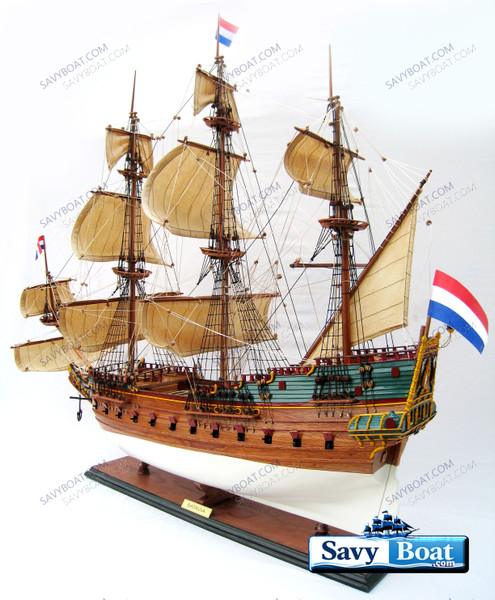
BATAVIA MERCHANT TALL SHIP W/ SAILS
SAVY DIRECT PRICE $1,099.96MSRP: $1,199.99BATAVIA MERCHANT TALL SHIP (WITH SAILS) FULLY BUILT AND READY TO DISPLAY MUSEUM QUALITY SHIP MODEL Dimension approx.: 32.6L x 7.4W x 29.5H The model is already built. THIS IS... -

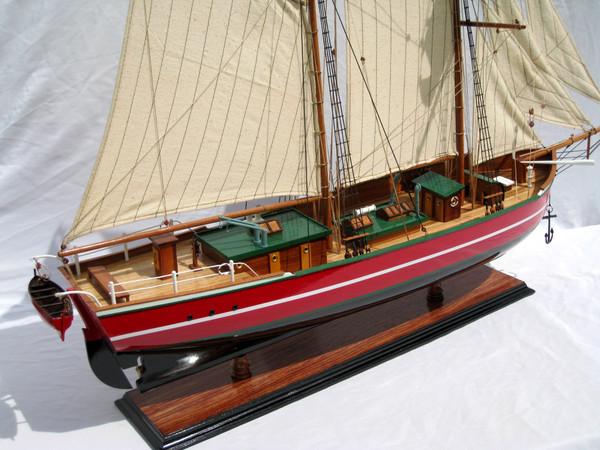
LILA DAN SAILING SHIP
SAVY DIRECT PRICE $749.96MSRP: $799.99LILA DAN SAILING SHIP FULLY BUILT AND READY TO DISPLAY MUSEUM QUALITY SHIP MODEL Dimension approx.: 32.5L x 8H x 31.5W (inch) The model is already built. THIS IS NOT A MODEL... -
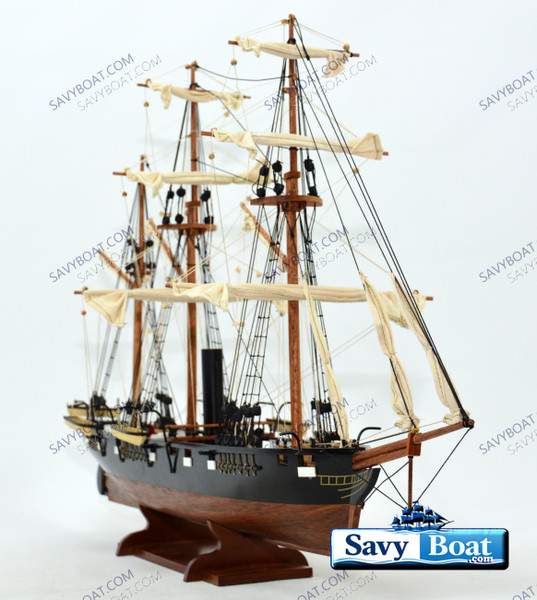
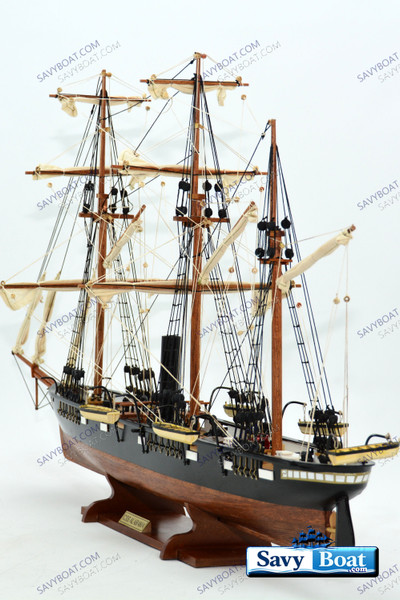
CSS ALABAMA STEAM SAIL SHIP
SAVY DIRECT PRICE $999.96MSRP: $1,099.99CSS ALABAMA CONFEDERATE COMMERCE RAIDER SHIP FULLY BUILT AND READY TO DISPLAY, QUALITY SHIP MODEL Dimension approx.: 35″ (long) x 7″ (wide) x 16″ (high) The model is already built. THIS...
Description

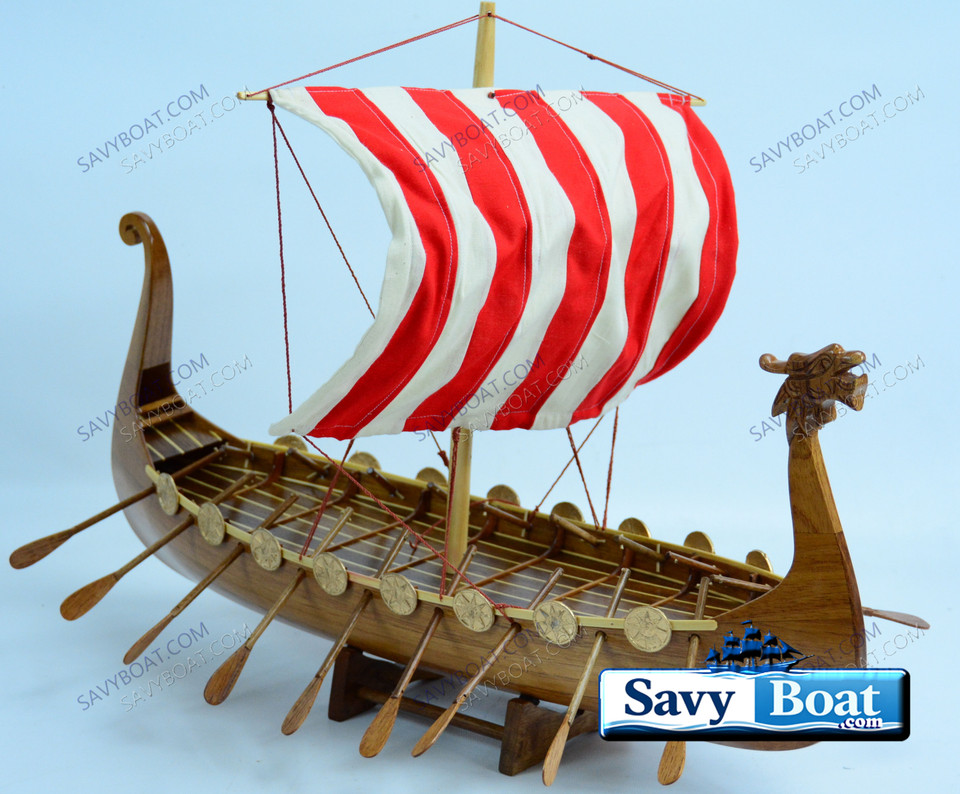
DRAKAR VIKING SHIP WITH OARS
FULLY BUILT AND READY TO DISPLAY, QUALITY SHIP MODEL
- Dimension approx.: 24″ (long) x 7″ (wide) x 17″ (high)
- The model is already built, NOT a model ship kit
Long before the kingdoms of Scandinavia were unified, long before Viking raiders carved their names into the coastlines of Europe, the image of a dragon‑headed longship came to embody the spirit of the North. Today we call it the Drakkar, a word drawn from the Old Norse dreki — “dragon” — though the term itself is a 19th‑century invention. In the Viking Age, such ships were simply the great war vessels of kings and chieftains, but in the sagas and in memory, they became something more: symbols of terror, prestige, and seafaring mastery.
The Drakkar’s origins lie in the shipbuilding traditions of the late Iron Age, when Scandinavian craftsmen perfected the clinker‑built hull — overlapping planks that created a vessel both strong and flexible. By the 9th and 10th centuries, this technique produced long, narrow ships up to 30 meters in length, capable of carrying 30 to 100 warriors. Their double‑ended design allowed them to reverse direction instantly, while their shallow draft let them slip up rivers, across sandbars, and onto beaches with astonishing speed.
Unlike the broader knarr, built for cargo, or the smaller karve, used for coastal travel, the Drakkar was a ship of power. Its sweeping lines, tall mast, and square wool sail made it fast in open water, while its banks of oars gave it precision and endurance. The dragon head mounted on the prow — sometimes removable, sometimes carved directly into the stem — was meant to intimidate enemies and ward off spirits. Saga writers describe fleets of these ships gliding across the sea like a line of serpents, their shields hung along the gunwales, their sails striped in bold colors.
Though no archaeological discovery has yet revealed a fully preserved “dragon ship,” historical accounts and artistic depictions leave little doubt that such vessels existed. They were the flagships of Viking leaders — the ships of Ragnar Lothbrok, Olaf Tryggvason, and Harald Hardrada, at least as remembered in legend. To command a Drakkar was to command authority.
In Viking society, the Drakkar was more than a weapon. It was a cultural statement. Its carvings, runes, and ornamentation reflected the beliefs of its crew — invocations of Thor’s protection, symbols of Odin’s wisdom, and motifs drawn from myth and folklore. These ships carried raiders to the British Isles, explorers to the rivers of Russia, and adventurers as far as North America. They were the engines of Viking expansion, enabling lightning raids, long‑distance trade, and voyages into the unknown.