





-

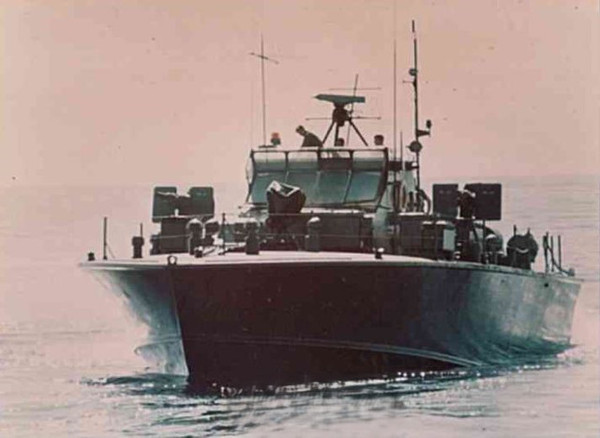
PTF BOAT (PATROL TORPEDO, FAST)
SAVY DIRECT PRICE $1,099.96MSRP: $1,249.99PTF BOAT (PATROL TORPEDO, FAST) FULLY BUILT AND READY TO DISPLAY MUSEUM QUALITY SHIP MODEL Dimension Approx.: 41″L x 15.5"W x 16.5″H APPROX SCALE : 1/24 The model is already built, NOT a model ship... -
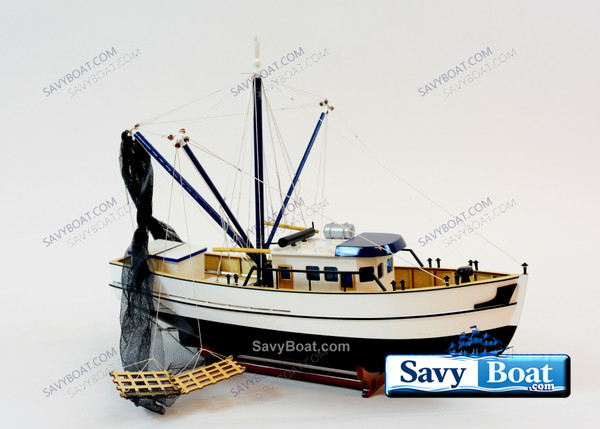

SHRIMP BOAT
SAVY DIRECT PRICE $469.96MSRP: $499.99SHRIMP BOAT FULLY BUILT AND READY TO DISPLAY, QUALITY SHIP MODEL Dimension approx.: 23″ L x 16″ W x 16″ H The model is already built. THIS IS NOT A MODEL SHIP KIT -


HMS TYNE OFFSHORE PATROL VESSEL
SAVY DIRECT PRICE $799.96MSRP: $899.99HMS TYNE RIVER-CLASS OFFSHORE PATROL SHIP FULLY BUILT AND READY TO DISPLAY MUSEUM QUALITY SHIP MODEL LARGE SCALE MUSEUM QUALITY DISPLAY HULL MODEL Dimension Approx.: 32″L x 6&Pri
Description

USS EAGLE 56 (PE-56) PATROL VESSEL
FULLY BUILT AND READY TO DISPLAY MUSEUM QUALITY SHIP MODEL
- Dimension Approx.: 24″ L x 3.5″ W x 11″ H
- APPROX SCALE 1:100
- The model is already built, NOT a model ship kit
By the spring of 1945, USS Eagle 56 was an aging relic in a modern war. Built in the final months of World War I by the Ford Motor Company, she belonged to a class of patrol craft conceived for a different era — small, boxy submarine chasers meant to swarm U‑boats in coastal waters. Most of her sisters never saw real service. Eagle 56, however, had endured two decades of salt, storms, and steady duty, and she carried the scars to prove it.
When World War II erupted, the Navy pressed her back into frontline work. She patrolled the gray waters off the Delaware Capes, then shifted north to Maine, where the Battle of the Atlantic raged just beyond the horizon. Her crew rescued survivors from torpedoed ships, braved winter seas, and kept watch for the periscopes that haunted the coast. She was damaged once during a rescue, patched together with parts from another Eagle boat, and sent back out again. By late 1942 she had settled into a quieter role at the Key West sonar school, training young sailors who would fight the submarine war she had already lived.
But in April 1945, with Germany only weeks from surrender, Eagle 56 was ordered back to the cold waters off Portland, Maine. Her task was simple: tow a floating target — the crew called it “the pickle” — for bomber practice. It was routine work, the kind that lulled even seasoned sailors into believing the danger had passed.
Just after midday on 23 April, the sea erupted beneath her.
A violent blast tore through the ship amidships, lifting the deck and splitting the hull in two. Men were thrown into the air, into the water, into darkness. The forward section sank almost immediately; the stern followed within minutes. Oil spread across the surface. Debris rained down. Thirteen men clung to life in the frigid Atlantic as the rest of their shipmates slipped beneath the waves.
To the survivors, the cause was unmistakable. Several reported seeing a German submarine — later identified as U‑853 — surface briefly, its red horse insignia visible against the conning tower. But the Navy, eager to close the books on an old vessel in the final days of the war, ruled the loss a boiler explosion. The men who lived through it were told they were mistaken.
For more than fifty years, the official record stood that way.
It took the persistence of survivors, families, and researchers — most notably Maine attorney and diver Paul Lawton — to reopen the case. Their evidence was overwhelming: German logs, survivor testimony, blast patterns, and wartime intelligence all pointed to a torpedo. In 2001, the Navy finally reversed its ruling, declaring Eagle 56 a combat loss. It was the only time the Navy had ever overturned such a decision. The crew received Purple Hearts, nearly all of them posthumously.
The sea kept its secrets a little longer. Not until 2018 did divers locate the wreck, lying in two shattered sections five miles off the Maine coast. The boilers — once blamed for the explosion — were found intact. The damage told the truth survivors had carried for decades: Eagle 56 had been struck from outside, not within.
Today, the wreck rests as a protected war grave, a silent monument to the 62 men who served aboard her. She was the second‑to‑last U.S. Navy warship sunk by Nazi Germany, lost in the final, fading days of a brutal war. Her story is one of duty, tragedy, and the long fight to ensure that sacrifice is remembered for what it truly was.