









-
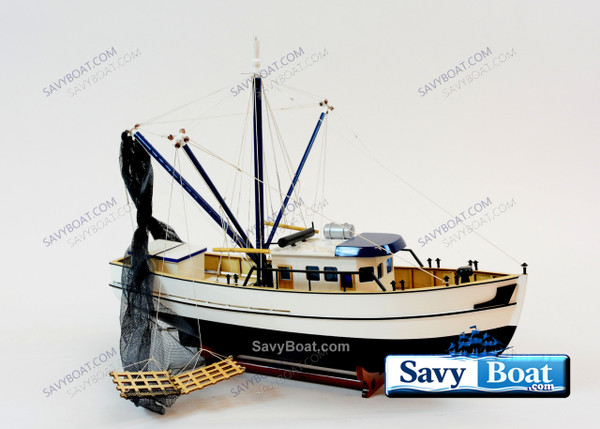

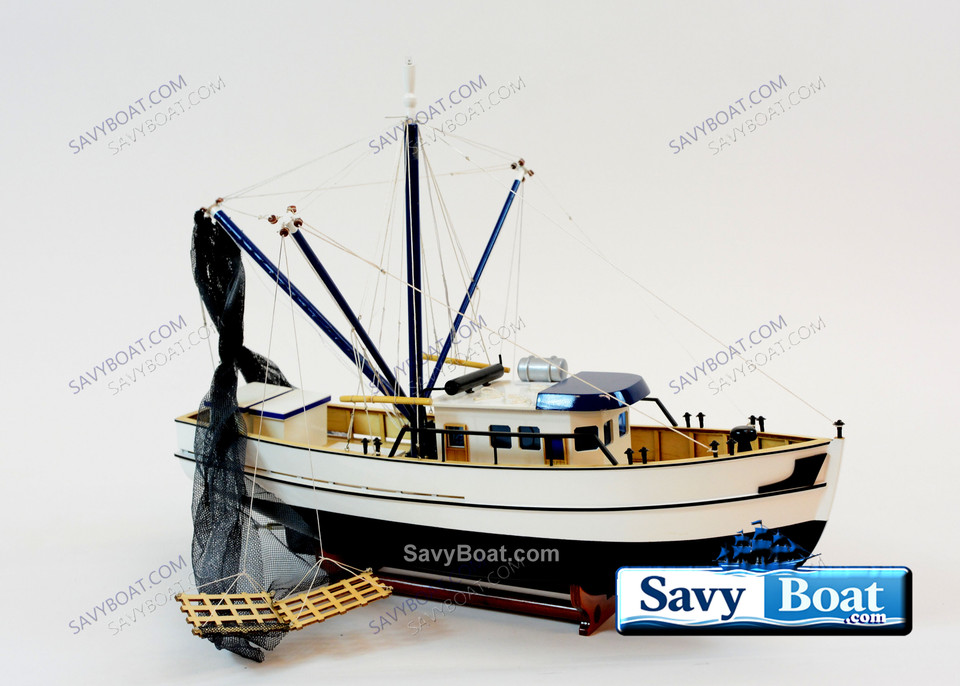
SHRIMP BOAT - RC CAPABLE
SAVY DIRECT PRICE $499.96MSRP: $539.99SHRIMP BOAT - RC CAPABLE FULLY BUILT AND READY TO DISPLAY, QUALITY SHIP MODEL Dimension approx.: 23″ L x 16″ W x 16″ H RC READY - hatches open for easy installation of your RC equipment,... -
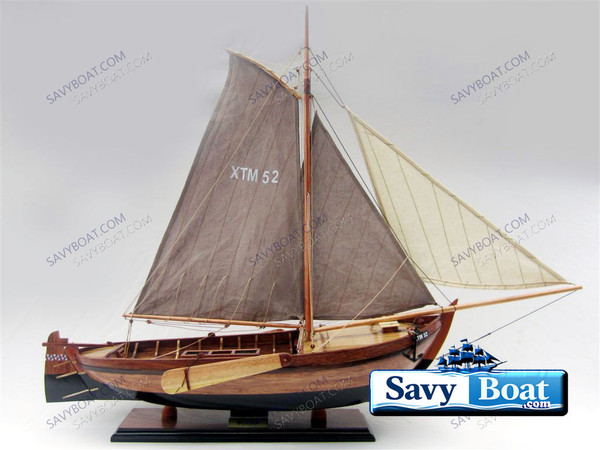
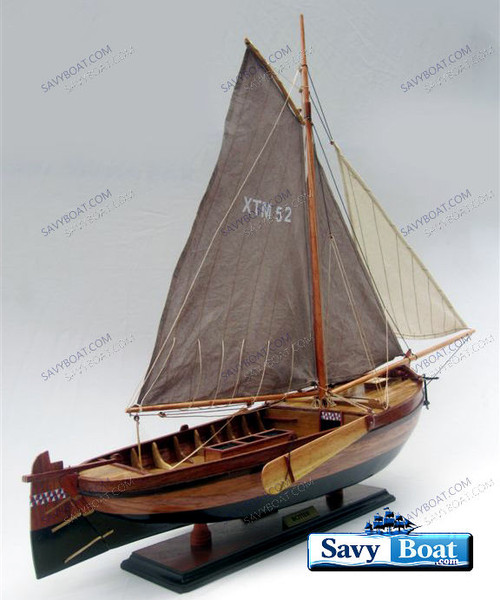
BOTTER SAIL BOAT
SAVY DIRECT PRICE $699.96MSRP: $749.99BOTTER SAIL BOAT FULLY BUILT AND READY TO DISPLAY MUSEUM QUALITY SHIP MODEL Dimension approx.: 31″ (long) x 7″ (wide) x 6″ (high) The model is already built. THIS IS NOT A MODEL SHIP... -
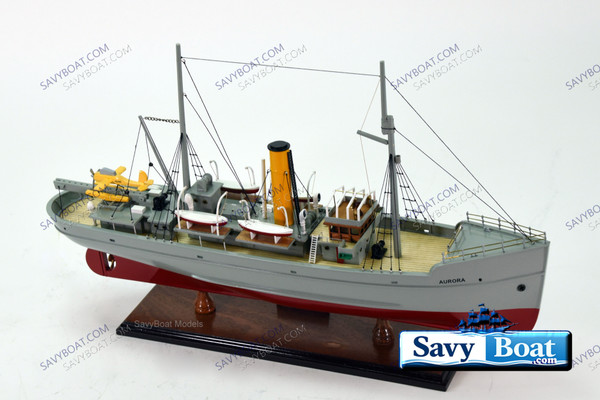

AURORA FISHING BOAT
SAVY DIRECT PRICE $479.96MSRP: $529.99AURORA FISHING BOAT FULLY BUILT AND READY TO DISPLAY, SHIP MODEL Dimension approx.: 23″ (high) x 5″ (wide) x 13.5″ (high) The model is already built. THIS IS NOT A MODEL SHIP KIT When...
Description

SHRIMP BOAT
FULLY BUILT AND READY TO DISPLAY, QUALITY SHIP MODEL
- Dimension approx.: 23″ L x 16″ W x 16″ H
- The model is already built. THIS IS NOT A MODEL SHIP KIT
Shrimp Boats — Working Vessels That Built Coastal Communities
Long before shrimp cocktails appeared on restaurant menus or global seafood markets existed, small wooden boats pushed quietly through estuaries and tidal flats, hauling hand‑tied nets filled with wild shrimp. These early craft — simple skiffs, luggers, and canots — formed the foundation of what would become one of the most iconic fisheries in the world.
The story of shrimp boats is a story of invention, immigration, and the hard labor of coastal families who turned a local catch into a global industry.
Shrimping has deep roots in Europe and North America. In the Netherlands, fishermen waded behind push‑nets in the 1600s. Along the U.S. Gulf Coast, French and Creole fishers used flat‑bottomed luggers, shallow‑draft boats ideal for marshes and bayous. These early vessels were often hand‑built, powered by sail or oars, and crewed by three to six men.
Everything changed in the 1880s, when two innovations collided:
-
The otter trawl, a net held open by wooden “doors,” allowed shrimpers to sweep wide areas of seabed.
-
Steam power replaced sail, giving boats the strength to tow heavy nets.
These advances transformed shrimping from a local craft into a commercial fishery.
By the early 1900s, gasoline and kerosene engines began appearing on Gulf Coast boats, turning slow luggers into nimble working vessels capable of longer trips and heavier loads.
From 1900 to the 1980s, Florida became the beating heart of the American shrimping industry. Ports like St. Augustine and Fernandina Beach buzzed with activity: boatyards, net makers, ice houses, packing plants, and bustling docks where shrimp boats lined up shoulder‑to‑shoulder.
This was a multicultural industry built by Greek immigrants, renowned for their craftsmanship in boatbuilding, African American crews, who formed the backbone of the labor force, and Local families, passing down skills through generations.
St. Augustine earned the nickname “Shrimp Boat City”, a place where the smell of diesel, salt, and fresh catch defined daily life.
By the mid‑20th century, shrimp boats had evolved into diesel‑powered trawlers, typically 18 to 59 feet long, with sturdy hulls, tall outriggers, and mechanized winches. These boats could tow two or more trawls at once, dramatically increasing efficiency.
Shrimping expanded worldwide. The U.S. Gulf and Southeast Atlantic became major warm‑water producers. Asia emerged as a global powerhouse, especially with the rise of aquaculture. Imports began to dominate U.S. markets, reshaping the economics of domestic fleets.
Despite these changes, the silhouette of a shrimp boat — outriggers spread like wings, nets drying in the sun — remained a familiar sight in coastal towns.
Shrimp boats are more than working vessels. They are symbols of Coastal identity — appearing in festivals, folk songs, and local art, Family heritage — many boats passed from parent to child, Immigrant craftsmanship — especially in Florida and the Gulf Coast, and Economic lifelines — supporting thousands of jobs in fishing, processing, and shipbuilding. In places like Louisiana, Texas, and Florida, shrimp boats are woven into the cultural fabric as deeply as lighthouses or oyster skiffs.
The evolution of shrimp boats mirrors the evolution of the seafood industry itself. Sail‑powered skiffs became Steam‑powered trawlers, which became Gasoline and diesel shrimp boats, which evolved into Modern mechanized fleets supplying a global market. Yet the essence remains unchanged: a small crew, a sturdy boat, and the pursuit of shrimp across bays, estuaries, and open water.
Shrimp boats are the quiet workhorses of coastal life — vessels that fed communities, built economies, and carried generations of fishermen into the dawn.