






-


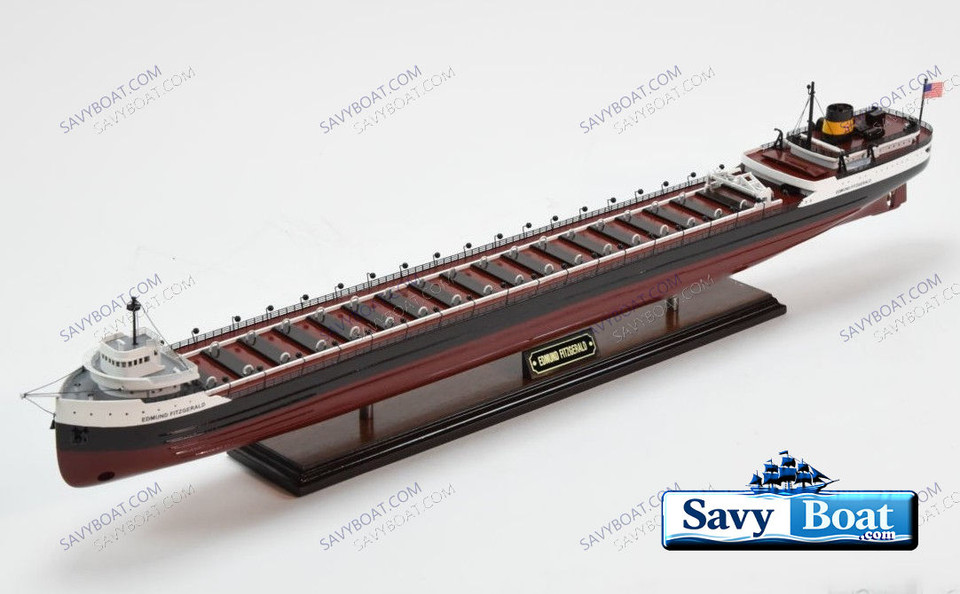
EDMUND FITZGERALD GREAT LAKES FREIGHTER 40"
SAVY DIRECT PRICE $729.96MSRP: $799.99EDMUND FITZGERALD GREAT LAKES FREIGHTER Dimension Approx.: 40″ (long) x 4.5″ (wide) x 9″ (high) The model is 100% hand built by artisans from scratch Base and name plate included. The model is... -


EDWARD L RYERSONGREAT LAKES FREIGHTER
SAVY DIRECT PRICE $719.96MSRP: $749.99EDWARD L RYERSON GREAT LAKES FREIGHTER FULLY BUILT AND READY TO DISPLAY HIGH QUALITY SHIP MODEL ARGE MUSEUM QUALITY MODEL Dimension Approx.: 32″ (long) x 3.25″ (wide) x 7″... -
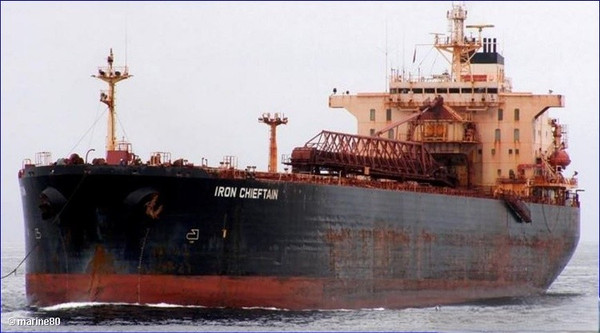

IRON CHIEFTAIN, SELF DISCHARGING BULK CARRIER
SAVY DIRECT PRICE $999.96MSRP: $1,099.99IRON CHIEFTAIN, SELF DISCHARGING BULK CARRIER FULLY BUILT AND READY TO DISPLAY MUSEUM QUALITY SHIP MODEL Dimension approx.: 39.5″ L x 6.5″ W x 11.5″ H SS Iron Chieftain was owned...
Description

EDMUND FITZGERALD FREIGHTER
- Dimension Approx.: 32″ (long) x 3.25″ (wide) x 7″ (high)
- The model is 100% hand built by artisans from scratch
- Base and name plate included.
- The model is already built, NOT a model ship kit
- Handcrafted from scratch using finest woods & metal fittings
When the Edmund Fitzgerald slid down the ways at Great Lakes Engineering Works on June 8, 1958, she was unlike anything the Great Lakes had ever seen. At 729 feet long and more than 13,600 gross tons, she was the largest ship ever to sail the inland seas of North America — a steel giant commissioned by the Northwestern Mutual Life Insurance Company and chartered to Oglebay Norton’s Columbia Transportation Division. Named for the company’s president, she was built to move iron ore with unmatched efficiency, and from the moment she entered service, she became a legend.
For seventeen years, the Fitzgerald carried taconite pellets from the Minnesota Iron Range to the steel mills of Detroit, Toledo, and beyond. She set seasonal haul records six times, often breaking her own marks, and in 1969 became the first Great Lakes vessel to move over one million tons of ore in a single season. Boat watchers adored her — not just for her size, but for the personality of her captains, especially Peter Pulcer, who famously played music over the ship’s PA system as she passed through the Soo Locks.
Her career was not without incident. She grounded near the Soo Locks, struck walls in the Detroit River, and underwent periodic upgrades, including a conversion from coal to oil. Yet she remained a favorite among crews and spectators alike — a ship known for her speed, reliability, and the pride she inspired. By the mid‑1970s, under the command of Captain Ernest McSorley, she was still one of the most respected freighters on the lakes.
On November 9, 1975, the Fitzgerald departed Superior, Wisconsin, loaded with 26,000 tons of taconite and bound for a Detroit‑area mill. Another freighter, the Arthur M. Anderson, followed her out onto Lake Superior. Overnight, a storm intensified into one of the most violent in Great Lakes history — with winds near hurricane force and waves towering 30 to 35 feet.
Throughout November 10, the Fitzgerald reported difficulties: lost radar, listing, damaged vents, and water coming aboard. Yet she pressed on, aiming for the shelter of Whitefish Bay. At 7:10 p.m., Captain McSorley sent his final transmission: “We are holding our own.” Moments later, the Fitzgerald vanished from the Anderson’s radar.
No distress signal was ever sent. When searchers reached the area, they found only debris. All 29 crew members were lost. The cause of the sinking remains one of the Great Lakes’ enduring mysteries. The U.S. Coast Guard concluded that flooding through unsecured hatch covers caused a sudden loss of buoyancy. Other theories suggest she may have Struck a shoal or the lake bottom, suffered structural failure, been overwhelmed by a pair of “rogue” waves, or taken on too much water through damaged vents or rails. When the wreck was located on November 14, 1975, it lay in two massive pieces on the lakebed, 530 feet down.
The sinking of the Edmund Fitzgerald became the most famous maritime disaster in Great Lakes history. In 1976, Gordon Lightfoot’s ballad “The Wreck of the Edmund Fitzgerald” carried the story across the world, turning the ship into a symbol of the lakes’ power and the risks faced by mariners.
In the late 1980s and 1990s, the Great Lakes Shipwreck Historical Society conducted several dives to the wreck, ultimately recovering the ship’s 200‑pound bronze bell in 1995. It now rests at the Great Lakes Shipwreck Museum at Whitefish Point, engraved with the names of the 29 men who never returned.
Today, the Edmund Fitzgerald remains a touchstone of Great Lakes lore — a reminder of the region’s industrial might, the unforgiving nature of its waters, and the enduring mystery of a ship that vanished without a cry on a storm‑torn November night.