






-

 SAVE - $2.00SAVE - $2.00
SURF BOARD COLOR T-SHIRT
SAVY DIRECT PRICE $17.99 - $24.99Are you looking for something to refresh your wardrobe? Modern and comfortable, our Dry Blend T-Shirt fits perfectly into any wardrobe. This shirt is more breathable and moisture... -
 SAVE - $2.00SAVE - $2.00
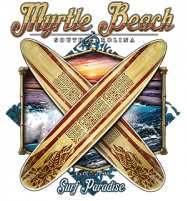
MYRTLE BEACH SURF PARADISE T-SHIRT
SAVY DIRECT PRICE $17.99 - $24.99Are you looking for something to refresh your wardrobe? Modern and comfortable, our Dry Blend T-Shirt fits perfectly into any wardrobe. This shirt is more breathable and moisture... -
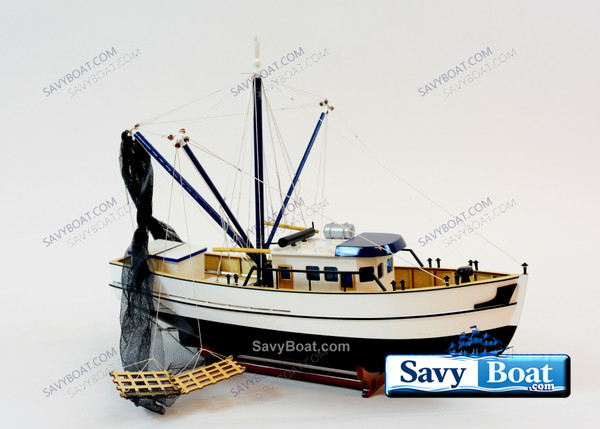

SHRIMP BOAT
SAVY DIRECT PRICE $469.96MSRP: $499.99SHRIMP BOAT FULLY BUILT AND READY TO DISPLAY, QUALITY SHIP MODEL Dimension approx.: 23″ L x 16″ W x 16″ H The model is already built. THIS IS NOT A MODEL SHIP KIT
Description

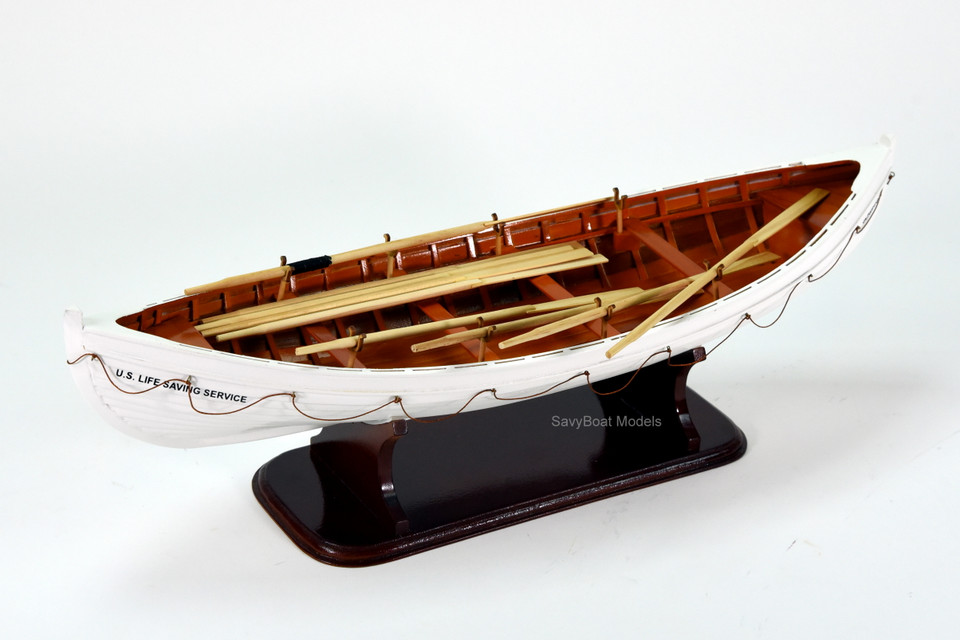
JERSEY PULLING SURF BOAT / US LIFEBOAT
FULLY BUILT AND READY TO DISPLAY MUSEUM QUALITY SHIP MODEL
- Dimension approx.: 22″ (long) x 7″ (wide) x 6.5″ (high)
- The model is already built. THIS IS NOT A MODEL SHIP KIT
Along the storm‑lashed beaches of New Jersey in the early 1870s, a new kind of lifesaving craft took shape — the Jersey pulling surfboat, a rugged, oar‑powered vessel adopted by the United States Life‑Saving Service (USLSS). Its design was rooted in the square‑stern surf fishing boats long used by coastal watermen, but refined for one purpose: to reach shipwrecked sailors through pounding surf where no other boat could survive.
Typically 25 to 27 feet long, with a beam of about 6.5 to 7 feet, the surfboat was light enough to be hauled across sand yet strong enough to punch through breaking waves. Built clinker‑style with cedar planks over oak frames and fastened with copper or galvanized iron, it was double‑ended for better handling in surf. Six thwarts supported ten oars, rowed double‑banked by a seasoned crew who trained year‑round for the moment the alarm bell rang.
These boats were not self‑righting and not self‑bailing. If they capsized — and many did — the crew had to right the boat by hand, climb back aboard, and bail furiously before attempting another launch. Their weight varied from around 950 pounds for smaller models to more than 2,100 pounds for the largest 26‑foot versions. Some carried a small sprit rig with jib and mainsail, but most relied entirely on muscle and timing.
From stations like Lifesaving Station 30 in Ocean City, crews dragged these boats into the surf during nor’easters, winter gales, and freezing Atlantic squalls. They rowed toward wrecks that lay just beyond the breakers — schooners, steamers, and coastal traders driven ashore on New Jersey’s treacherous shoals. Many rescues involved multiple trips through the surf, ferrying survivors one load at a time. These missions were brutal, exhausting, and often heroic.
By the late 1870s and 1880s, the Jersey pulling surfboat inspired more advanced designs such as the Dobbins pulling lifeboat and the Merryman, which introduced self‑righting and self‑bailing features. Yet for decades, the Jersey surfboat remained the backbone of the USLSS — a workhorse of the early lifesaving era that helped save thousands of lives before the service evolved into the modern U.S. Coast Guard.
Today, replicas and preserved examples — maintained by the U.S. Life‑Saving Service Heritage Association and at places like Lifesaving Station 30 — keep the design alive. They stand as reminders of a time when rescue meant rowing straight into the teeth of the Atlantic, guided only by courage, teamwork, and the sturdy little surfboats that made such feats possible.