












-
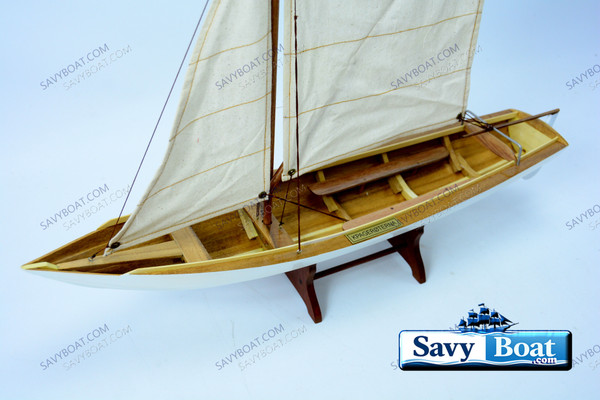
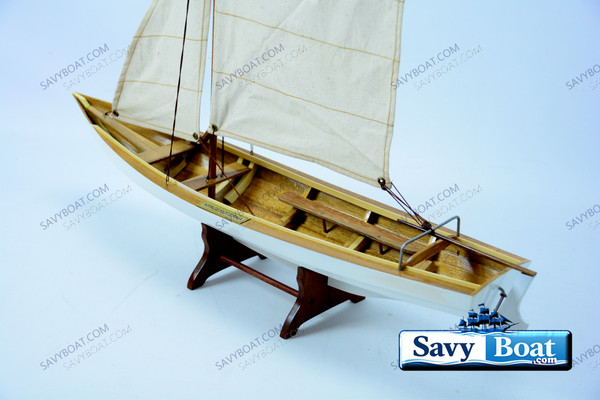
KRAGEROTERNA CLINKER BUILT 24" SAIL BOAT
SAVY DIRECT PRICE $379.96MSRP: $399.99KRAGEROTERNA CLINKER BUILT SAIL BOAT FULLY BUILT AND READY TO DISPLAY QUALITY SHIP MODEL Dimension Approx.: 24″L x 7″W x 22.5″H The model is already built, -
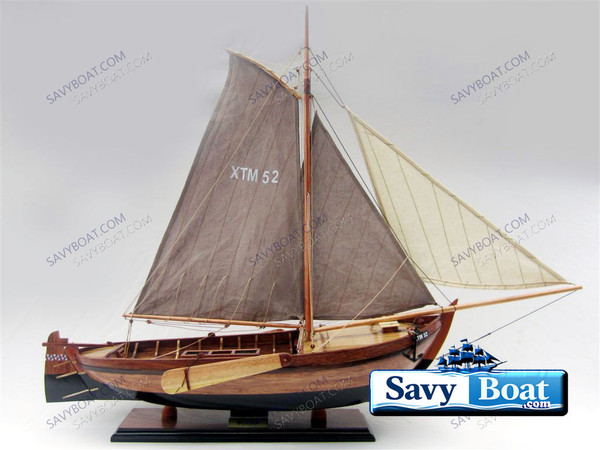
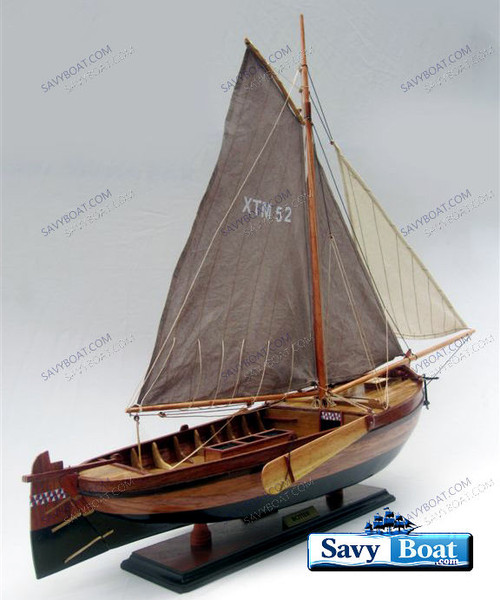
BOTTER SAIL BOAT
SAVY DIRECT PRICE $699.96MSRP: $749.99BOTTER SAIL BOAT FULLY BUILT AND READY TO DISPLAY MUSEUM QUALITY SHIP MODEL Dimension approx.: 31″ (long) x 7″ (wide) x 6″ (high) The model is already built. THIS IS NOT A MODEL SHIP... -


SHAMROCK SAIL BOAT
SAVY DIRECT PRICE $429.96MSRP: $449.99SHAMROCK SAIL BOAT FULLY BUILT AND READY TO DISPLAY BOAT MODEL Dimension approx.: 23.5"L x 4.5"W x 30"H The model is already built. THIS IS NOT A MODEL SHIP KIT The story...
Description

KRAGEROTERNA CLINKER BUILT SAIL BOAT
FULLY BUILT AND READY TO DISPLAY QUALITY SHIP MODEL
- Dimension Approx.: 31.5″L x 9.5″W x 31″H
- The model is already built, NOT a model ship kit
The Krageroterna belongs to one of the oldest and most enduring boatbuilding traditions in the world: the clinker‑built or lapstrake method, where long, narrow planks overlap along their edges to form a light, flexible, and remarkably strong hull. This construction style emerged in Northern Europe as early as the 3rd century AD, evolving through centuries of craftsmanship practiced by Anglo‑Saxons, Frisians, and, most famously, the shipwrights of Scandinavia. It reached its artistic and functional peak during the Viking Age, when Norse builders refined clinker construction for everything from swift longships to sturdy fishing craft. In 2021, UNESCO recognized this Nordic boatbuilding heritage as part of the world’s Intangible Cultural Heritage, underscoring its cultural and historical importance.
Within this broad tradition, the Krageroterna represents a regional or modern revival form — a small, double‑ended wooden sailing or fishing boat built in the classic clinker style. While not widely documented in academic maritime literature, the name appears in contemporary craft circles, model‑making communities, and Scandinavian heritage workshops. Boats of this type typically feature overlapping strakes fastened with nails or rivets, a rockered keel, and inward‑curving stems, giving them the graceful, organic lines associated with Nordic working boats. Historically, such vessels would have been built from cleft oak, though modern reproductions often use copper fastenings and lighter timbers.
The Krageroterna’s design reflects the qualities that made clinker boats indispensable for over a millennium: they are light yet resilient, able to flex with waves rather than resist them, and perfectly suited to the varied conditions of Northern Europe’s coasts, fjords, and inland waterways. Their double‑ended form allows them to track cleanly through the water, while their shallow draft makes them ideal for fishing, transport, and everyday coastal life.
Today, the Krageroterna survives primarily as a cultural artifact — a boat built to preserve tradition rather than to meet modern commercial needs. Full‑size examples appear in heritage villages and maritime museums, while wooden scale models keep the form alive for collectors and enthusiasts. In both cases, the Krageroterna stands as a reminder of the continuity of Nordic craftsmanship, linking contemporary builders to the same techniques used by Viking shipwrights more than a thousand years ago.
Graceful, simple, and deeply rooted in history, the Krageroterna embodies the enduring spirit of clinker‑built boats — vessels shaped not only by wood and iron, but by centuries of maritime culture.