








-
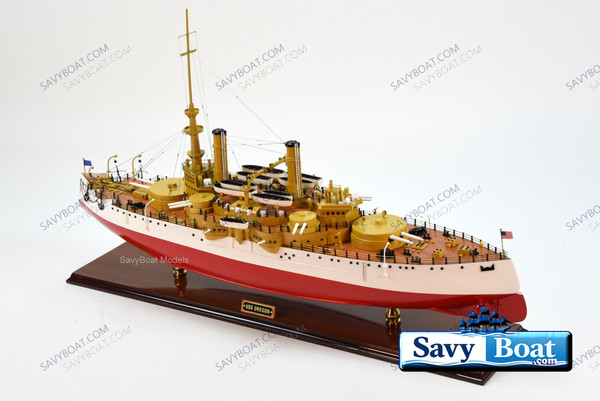
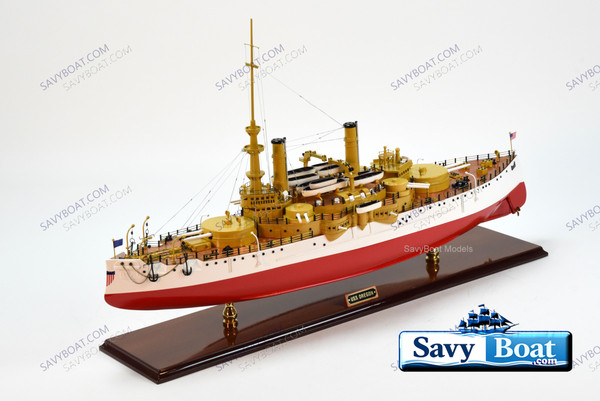
USS OREGON BATTLESHIP BB-3
SAVY DIRECT PRICE $924.96MSRP: $999.99USS OREGON BATTLE SHIP BB-3 (YELLOW) FULLY BUILT AND READY TO DISPLAY, QUALITY SHIP MODEL Dimension approx.: 34″ L x 8.5″ W x 20″ H -
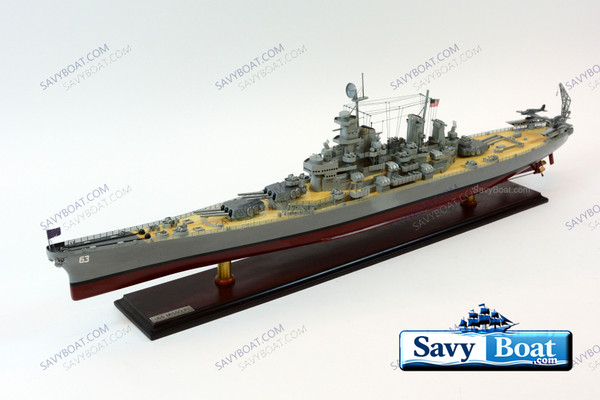

USS MISSOURI BATTLESHIP (BB-63)
SAVY DIRECT PRICE $899.96MSRP: $999.99USS MISSOURI BATTLESHIP (BB-63) FULLY BUILT AND READY TO DISPLAY, QUALITY SHIP MODEL Dimension approx.: 40″ L x 5″ W x 12.5″ H Approx. scale 1/350 This beautiful model is already built,... -

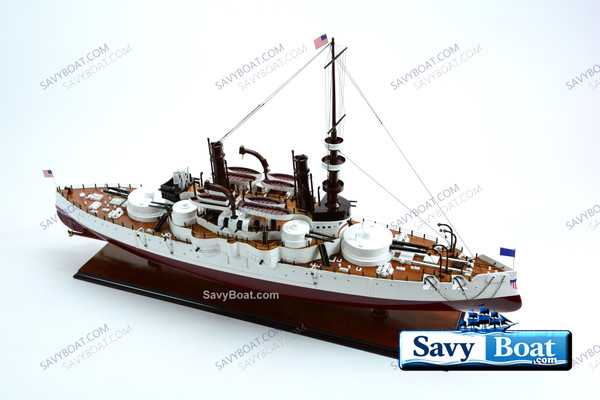
USS OREGON BATTLESHIP 39 BB-3
SAVY DIRECT PRICE $1,149.96MSRP: $1,299.99USS OREGON BATTLE SHIP BB-3 (WHITE) FULLY BUILT AND READY TO DISPLAY, QUALITY SHIP MODEL Dimension approx.: 39″ L x 9″ W x 22″ H The model is alr
Description

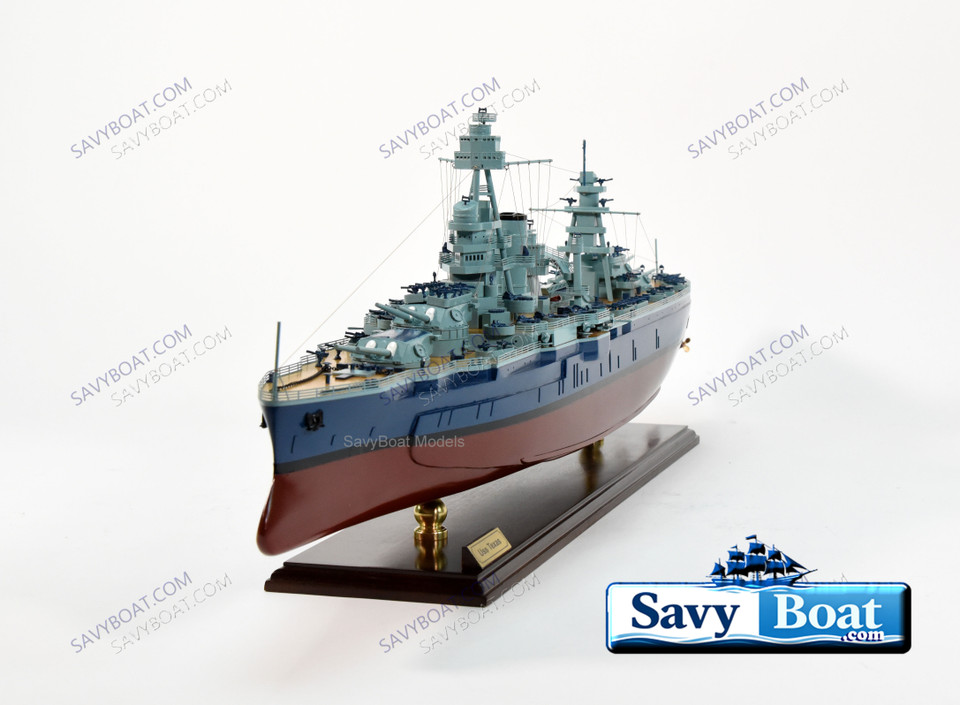
USS TEXAS (BB-35) NEW YORK CLASS WWII DREADNAUGHT BATTLE SHIP
FULLY BUILT AND READY TO DISPLAY, QUALITY SHIP MODEL
- Dimension approx.: 36.5″ L x 6″ W x 13.5″ H
- Approx scale 1/200
- This beautiful model is already built, NOT a kit
USS Texas: The Last Dreadnought and the Battleship That Wouldn’t Quit
She was born in the age of steel giants, when nations measured power by the thickness of armor and the size of their guns. When USS Texas slid down the ways at Newport News in May 1912, she represented the cutting edge of American naval ambition — a New York‑class dreadnought, bristling with ten 14‑inch guns and built to stand in the line of battle with the world’s strongest fleets. She was commissioned in March 1914, just months before Europe plunged into war, and she would go on to become the last surviving dreadnought battleship on Earth.
Her early service was shaped by tension close to home. In 1914, after the Tampico Incident, Texas steamed to Mexican waters, ready for action that never came. She then settled into the rhythms of the Atlantic Fleet — drills, patrols, and the steady refinement of a ship still new to the sea. By 1916 she had already made history: the first U.S. battleship to mount anti‑aircraft guns, and the first to use directors and range‑keepers to control her fire — early steps toward the modern fire‑control computers that would define later naval warfare.
When the United States entered World War I, Texas crossed the Atlantic to join the British Grand Fleet at Scapa Flow. She never fired on the German High Seas Fleet, but she stood watch in the cold northern waters, escorting convoys and reinforcing blockade squadrons. She was present when the German fleet steamed out to surrender in November 1918 — a silent witness to the end of the dreadnought era’s greatest rivalry.
The interwar years transformed her. She launched the first airplane ever flown from a U.S. battleship. She served as flagship of the U.S. Fleet. She was modernized with oil‑fired boilers, tripod masts, anti‑torpedo bulges, and improved fire‑control systems. She trained midshipmen, carried presidents, and even showed “talking pictures” to her crew — another first for a battleship.
But it was World War II that defined her legacy.
She began the war escorting convoys across the U‑boat‑haunted Atlantic, guarding troopships and supply vessels bound for Britain. In 1942 she joined Operation Torch, firing her big guns in anger for the first time as she shelled Vichy French positions in North Africa.
Then came Normandy.
On D‑Day, Texas was the bombardment flagship for Omaha Beach. At dawn she opened fire on Pointe du Hoc, unleashing 255 shells in just 34 minutes — the longest sustained firing period of her career. Later she closed to within 3,000 yards of the beach, firing with barely any elevation to support the struggling infantry. She ferried supplies to the isolated Rangers, took aboard wounded men, and hammered German positions until the beachhead was secure.
She moved on to Cherbourg, where she dueled German coastal batteries in a brutal gunnery exchange. A 240 mm shell struck her but failed to explode — a dud that would later become one of her most famous artifacts.
In late 1944 she sailed for the Pacific. At Iwo Jima, her guns softened the volcanic fortress before the Marines went ashore. At Okinawa, she fired again, supporting the last major amphibious assault of the war. She was the only Allied battleship to fight in all four major amphibious landings: North Africa, Normandy, Iwo Jima, and Okinawa.
When the war ended, Texas had earned five battle stars — and a place in history.
In 1948, she became the first U.S. battleship preserved as a museum, entrusted to the people of Texas. She was later designated a National Historic Landmark, one of the few surviving warships to have served in both world wars.
Time, however, is relentless. Decades of corrosion threatened her survival, but the Battleship Texas Foundation and the State of Texas fought to save her. In 2022 she was moved to dry dock in Galveston for a massive restoration — a $60 million effort to ensure that the last dreadnought endures.
As of 2025, she is in the final stages of her rebirth.
Today, USS Texas stands not just as a museum, but as a monument to the entire era of battleships — from the dawn of the dreadnought to the shores of Normandy and beyond. She is a survivor, a symbol, and a reminder of the sailors who served aboard her across two world wars.
She was built for battle. She lived through history. And she remains, even now, a ship unlike any other.