













-
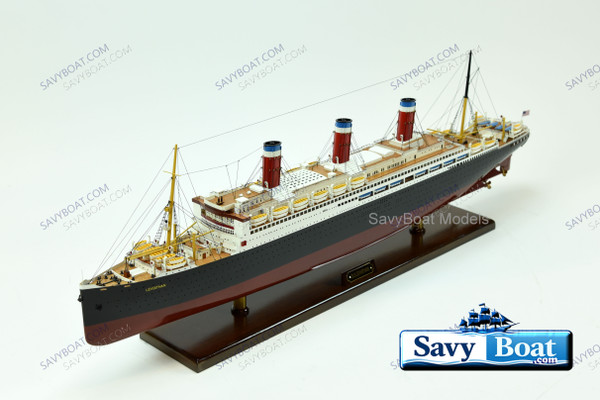
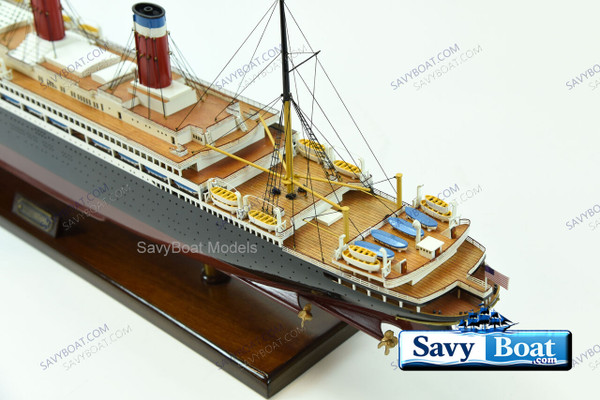
SS LEVIATHAN OCEAN LINER
SAVY DIRECT PRICE $999.96MSRP: $1,049.99SS LEVIATHAN OCEAN LINER FULLY BUILT AND READY TO DISPLAY BOAT MODEL Dimension approx.: 38″ L x 4.5″ W x 12″ H Approx Scale 1/300 The model is already built. THIS IS NOT A MODEL -
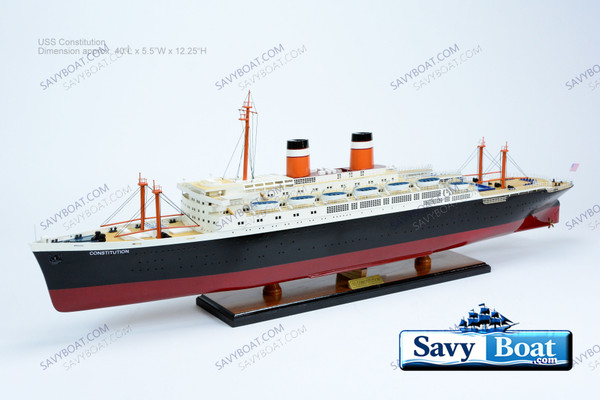

SS CONSTITUTION OCEAN LINER
SAVY DIRECT PRICE $799.96MSRP: $849.99SS CONSTITUTION OCEAN LINER FULLY BUILT AND READY TO DISPLAY BOAT MODEL Dimension approx.: 40"L x 6.5"W x 13.5"H The model is already built. THIS IS NOT A MODEL SHIP KIT The SS... -
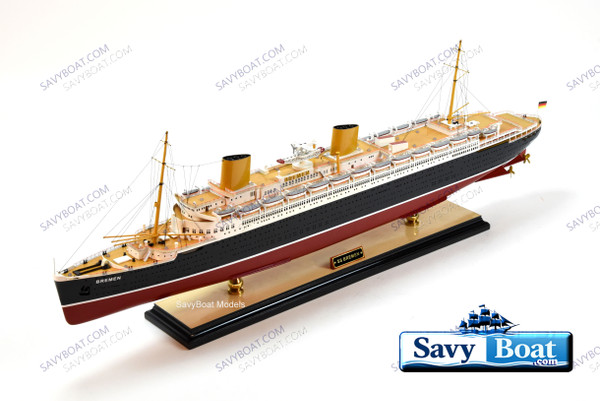

SS BREMEN OCEAN LINER
SAVY DIRECT PRICE $999.96MSRP: $1,099.99SS BREMEN OCEAN LINER FULLY BUILT AND READY TO DISPLAY, QUALITY SHIP MODEL Dimension Approx.: 37.5″ L x 4.5″ W x 15″ H approx Scale 1:300 The model is already built, NOT a model ship kit
Description

STANCRAFT MINI MISSLE SPEED BOAT
FULLY BUILT AND READY TO DISPLAY BOAT MODEL
- Dimension approx.: 29"L x 5.5"W x 9"H
- The model is already built. THIS IS NOT A MODEL SHIP KIT
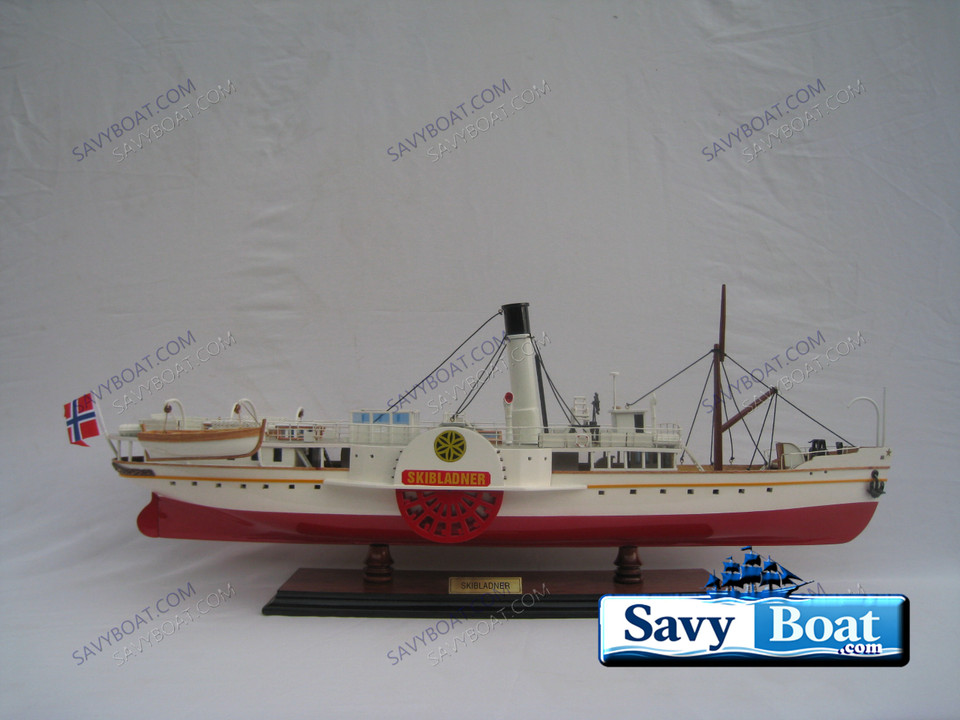
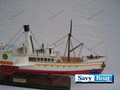
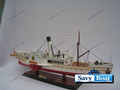
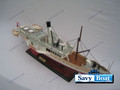
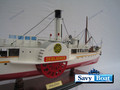
When Skibladner slid into the water on 2 August 1856, she represented a new era for inland travel in Norway. Built at Motala Verkstad in Sweden, then shipped in pieces by rail and horse cart to Minnesund for assembly, she was engineered to link the railway at Eidsvoll with the growing towns around Lake Mjøsa — Hamar, Gjøvik, and Lillehammer. Her graceful white hull and side‑wheels quickly earned her a local nickname: “Mjøsas Hvite Svane” — The White Swan of Mjøsa.
Originally powered by twin-cylinder oscillating steam engines, Skibladner served as a vital transport artery, carrying passengers, mail, and goods across Norway’s largest lake. Her importance only grew as communities expanded along Mjøsa’s shores. In 1888, she underwent a transformative refit: lengthened by 20 feet and equipped with triple‑expansion diagonal paddle engines built by Aker Mekaniske Verksted in Oslo. With 606 horsepower and a top speed of 15 knots, she became the fastest vessel in Norway, a remarkable achievement for a lake steamer.
Through the early 20th century, Skibladner adapted to changing technology. She converted from coal to oil firing in the 1920s, and her boilers were replaced again in the 1980s. Yet despite modernization, she retained her original steam engines — still operating today — giving passengers an authentic 19th‑century experience.
Her long life has not been without hardship. Skibladner sank twice while laid up for winter, first in 1937 and again in 1967, each time due to heeling at her moorings. Both incidents required extensive salvage and restoration, but the White Swan always rose again. More recent mishaps — minor damage at Hamar in 2011 and another mooring incident at Tingnes in 2015 — reinforced the need for careful preservation.
Recognition of her cultural importance came on 14 June 2005, when the Norwegian Directorate for Cultural Heritage placed Skibladner under a formal preservation order — the first time an operating vehicle in Norway received such protection. Her name, drawn from Skíðblaðnir, the magical ship of the Norse god Freyr, reflects her enduring ability to “bend like a sail” and adapt across centuries.
Today, Skibladner remains the world’s oldest paddle steamer still in timetabled service, and Norway’s only paddle steamer. Her home port is Gjøvik, where she winters beneath a glass‑covered shelter. Each year from May to September, she returns to the water, offering scheduled service from late June to mid‑August. With a capacity of 230 passengers and a crew of 6–16, she provides sightseeing cruises, dining experiences, and cultural events that preserve the atmosphere of 19th‑century steam travel.
More than a vessel, Skibladner is a living artifact — a moving museum piece whose rhythmic paddles and polished brass connect modern travelers to Norway’s inland maritime heritage. She remains, unmistakably, the White Swan of Mjøsa.