







-

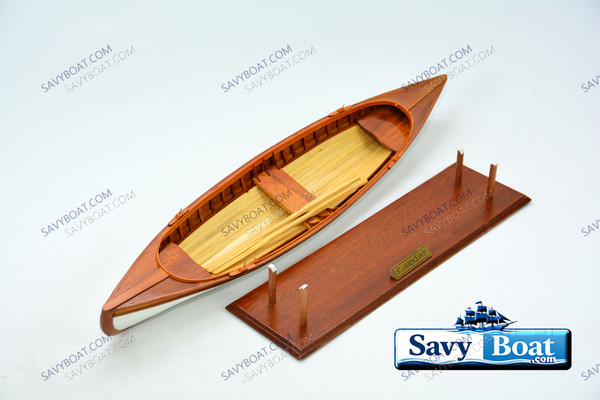
ST LAWRENCE RIVER SKIFF (PAINTED)
SAVY DIRECT PRICE $299.96MSRP: $349.99ST LAWRENCE RIVER SKIFF / ROW BOAT (PAINTED) FULLY BUILT AND READY TO DISPLAY MODEL Dimension approx.: 24″ L x 5″ W x 4″ H The model is already built. THIS IS NOT A MODEL SHIP KIT In... -


1953 CHRIS CRAFT SEA SKIFF
SAVY DIRECT PRICE $379.96MSRP: $429.991953 CHRIS CRAFT SEA SKIFF FULLY BUILT AND READY TO DISPLAY BOAT MODEL Dimension approx.: 26″ L x 9″ W x 9″ H The model is already built. THIS IS NOT A MODEL SHIP KIT By the early... -

 SAVE - $2.00SAVE - $2.00
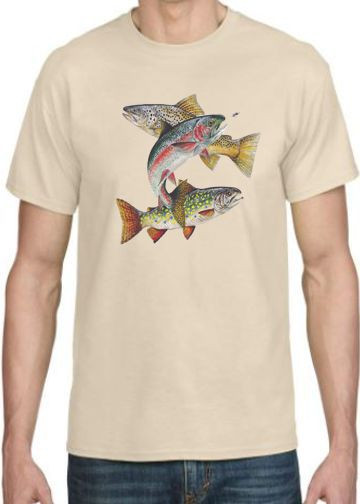
TROUT RIVER FISHING T-SHIRT
SAVY DIRECT PRICE $17.99 - $24.99Are you looking for something to refresh your wardrobe? Modern and comfortable, our Dry Blend T-Shirt fits perfectly into any wardrobe. This shirt is more breathable and moisture...
Description

ST LAWRENCE RIVER SKIFF / ROW BOAT (NATURAL)
FULLY BUILT AND READY TO DISPLAY MODEL
- Dimension approx.: 24″ L x 5″ W x 4″ H
- The model is already built. THIS IS NOT A MODEL SHIP KIT
In the mid‑19th century, as settlement and tourism spread through the Thousand Islands, a new kind of boat began to take shape along the coves, inlets, and boathouses of the St. Lawrence River. It was long, narrow, and double‑ended — a craft built not for show but for the daily realities of life on a broad, fast river. By the 1860s, this vessel had evolved into the St. Lawrence River skiff, a boat so perfectly suited to its environment that it became inseparable from the culture and identity of the region.
The St. Lawrence is a river of shifting currents, rocky shoals, and sudden winds. Local guides and fishermen needed a boat that could handle all of it — something light enough to carry, stable enough to fish from, and fast enough to cover long distances between islands.
The solution was a distinctive design:
-
Double‑ended hull for smooth tracking and easy handling
-
Lapstrake planking, usually six or seven strakes per side
-
Flat plank keel, simple but strong
-
Lengths from 14 to 22 feet, depending on purpose
-
Adaptability for rowing, sailing, or even early motors
The skiff’s lines were clean and efficient, its construction straightforward but elegant. It was a boat shaped by necessity — and refined by generations of craftsmen who understood the river intimately.
By the 1860s and 1870s, the Thousand Islands were becoming a destination for wealthy sportsmen, writers, and vacationers. Local guides — skilled woodsmen and boatmen — relied on the skiff as their primary tool. They rowed clients to fishing grounds, ferried them between islands, and navigated the river’s maze of channels with quiet confidence.
The skiff’s reputation grew beyond the region when President Ulysses S. Grant visited in 1872, spending time fishing from a St. Lawrence skiff. His presence brought national attention to the boat and the guides who used it.
The skiff became a hallmark of local boatbuilding, with notable builders including:
-
Xavier Colon, Wilbur Wheelock, and L.E. Frye of Clayton
-
Charles Estes and A.E. Furness of Alexandria Bay
Each builder added subtle variations, but the essential form remained constant — a testament to how well the design fit its purpose.
More than a tool, the skiff became a symbol of the Thousand Islands themselves: practical, graceful, and deeply tied to the rhythms of the river.
As the 20th century progressed, motorboats and improved transportation reduced the skiff’s role as a working craft. Yet it never disappeared. Instead, it transitioned into a heritage vessel, cherished for its beauty, simplicity, and connection to the past.
Today, the St. Lawrence skiff is:
-
Preserved in museums
-
Recreated by modern builders
-
Offered as kits for home construction
-
Used for family outings, picnics, and quiet evenings on the river
It remains a living link to the Thousand Islands’ history — a boat that carries with it the stories of guides, fishermen, and generations who lived by and on the St. Lawrence.
The St. Lawrence River skiff endures because it is more than a design. It is a reflection of a place — its currents, its culture, its people. Lightweight, swift, and beautifully crafted, it remains one of North America’s great regional boat types, a vessel that continues to glide across the same waters that shaped it more than 150 years ago.
A boat born of the river, perfected by its builders, and preserved by those who still love the Thousand Islands.