








-
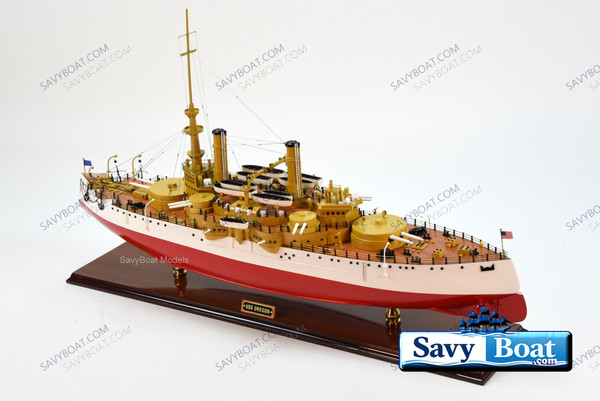
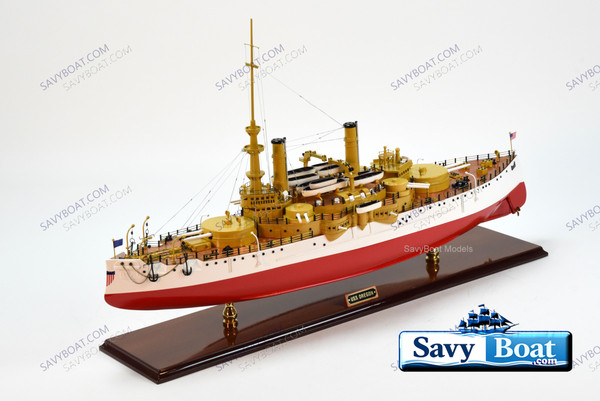
USS OREGON BATTLESHIP BB-3
SAVY DIRECT PRICE $924.96MSRP: $999.99USS OREGON BATTLE SHIP BB-3 (YELLOW) FULLY BUILT AND READY TO DISPLAY, QUALITY SHIP MODEL Dimension approx.: 34″ L x 8.5″ W x 20″ H -

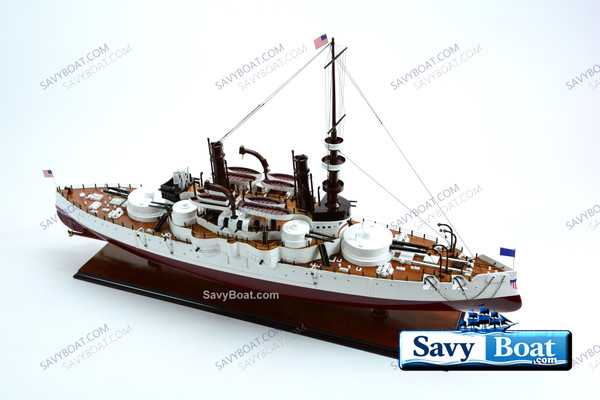
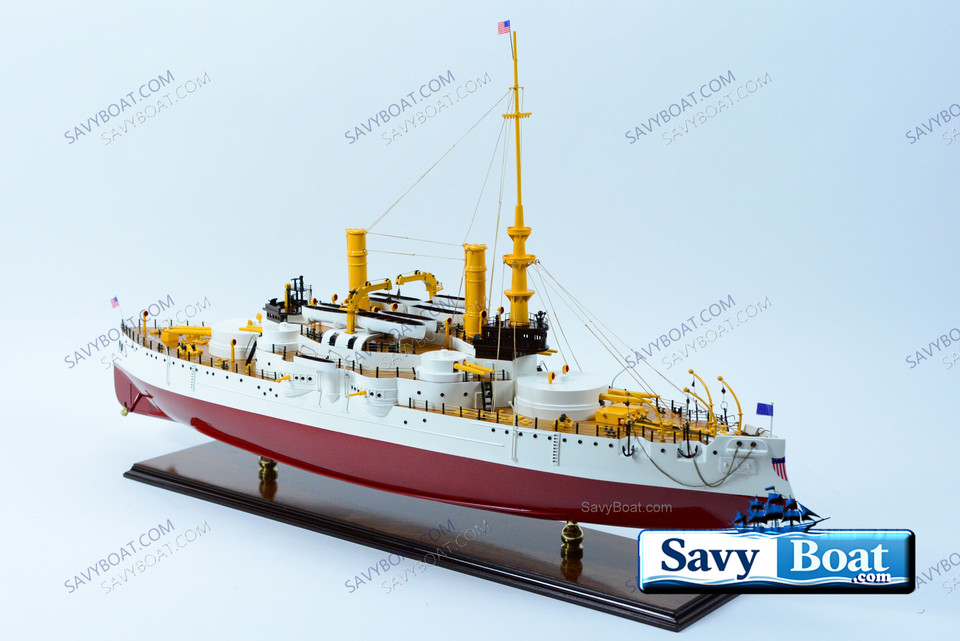
USS OREGON BATTLESHIP 39 BB-3
SAVY DIRECT PRICE $1,149.96MSRP: $1,299.99USS OREGON BATTLE SHIP BB-3 (WHITE) FULLY BUILT AND READY TO DISPLAY, QUALITY SHIP MODEL Dimension approx.: 39″ L x 9″ W x 22″ H The model is alr -
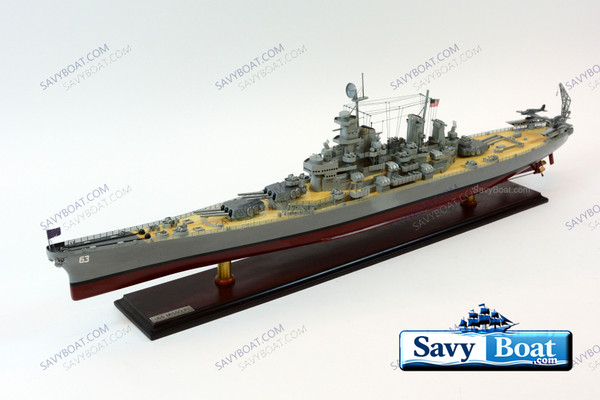

USS MISSOURI BATTLESHIP (BB-63)
SAVY DIRECT PRICE $899.96MSRP: $999.99USS MISSOURI BATTLESHIP (BB-63) FULLY BUILT AND READY TO DISPLAY, QUALITY SHIP MODEL Dimension approx.: 40″ L x 5″ W x 12.5″ H Approx. scale 1/350 This beautiful model is already built,...
Description

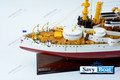
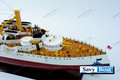
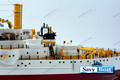
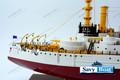
USS OREGON BATTLE SHIP BB-3 (WHITE) RC READY
FULLY BUILT AND READY TO DISPLAY, QUALITY SHIP MODEL
- Dimension approx.: 39″ L x 9″ W x 22″ H
- The model is already built, NOT a model ship kit
- RC READY - propeller shafts and rudders installed ready for installation of your motors, propellors and RC equipment (not included)
She was small by battleship standards, low‑sided and heavy, but in the 1890s the United States saw in her the promise of a modern navy. USS Oregon—the third and final ship of the Indiana class—was part of a bold effort to transform a coastal defense fleet into a force capable of standing against Europe’s great maritime powers. “Oregon and her sister ships were the first modern battleships built for the United States,” your document notes, even if they were flawed: overweight, cramped, and notoriously wet in heavy seas.
Laid down in San Francisco in 1891 and commissioned in 1896, Oregon began her career quietly with the Pacific Squadron. No one yet imagined she would soon become a national hero. That moment arrived in 1898, when the explosion of the cruiser Maine in Havana pushed the United States toward war with Spain. Ordered to reinforce the Atlantic fleet, Oregon embarked on one of the most dramatic voyages in American naval history: a 14,000‑mile sprint around South America, completed in just 66 days. “In the course of the voyage… Oregon had traveled some 14,000 nmi,” the document recounts, a feat that electrified the public and fueled demands for a Panama Canal.
She arrived just in time.
At Santiago de Cuba, Oregon joined the blockade of Admiral Cervera’s trapped Spanish squadron. When the Spaniards attempted their desperate breakout on 3 July 1898, Oregon was ready. Her boilers were hot, her gunners alert. She surged ahead—“the only large American ship which had good steam pressure when the battle began”—and became the spearpoint of the American chase. One by one, the Spanish cruisers were battered, burned, and driven ashore. Oregon helped run down the last fleeing ship, Cristóbal Colón, forcing her surrender. She emerged from the battle unscathed, her reputation transformed. The press called her “the Bulldog of the Navy.”
After the war, Oregon crossed the Pacific to join the Asiatic Squadron. She served in the Philippine–American War, blockading ports and supporting operations ashore. In 1900 she steamed north to China during the Boxer Rebellion, only to run hard aground on an uncharted rock in the Bohai Strait. She survived, was repaired in Japan, and returned to duty—patrolling China’s coast, visiting Japan, and cruising the Philippines before returning home in 1906.
Her later years were quieter. She was modernized modestly, recommissioned and decommissioned repeatedly, and served ceremonial roles along the West Coast. During World War I she saw no combat, but in 1918 she escorted troop transports bound for the Siberian intervention in the Russian Civil War.
By the 1920s, naval enthusiasts fought to save her from the scrapyard. Their efforts succeeded: in 1925 the Navy loaned Oregon to her namesake state, where she became a museum ship in Portland. Her guns were removed under the Washington Naval Treaty, but her spirit remained intact.
Then came another war.
In 1942, with steel desperately needed, the Navy struck Oregon from the register and sold her for scrap. But fate intervened. As workers began dismantling her, the Navy realized she could serve as an ammunition hulk for the planned invasion of Guam. Her gutted hull was returned, loaded with explosives, and towed across the Pacific. She remained off Guam for years, a silent guardian of the harbor.
In 1948, during Typhoon Agnes, she broke free and drifted hundreds of miles into the open ocean before being found and towed back. She stayed in Guam until 1956, when she was finally sold and broken up in Japan.
Yet pieces of her endure. “Her military foremast was erected in 1956 at the Tom McCall Waterfront Park,” the document notes, and her wheel rests in the Oregon Historical Society. Her funnels survive too, quiet relics of a ship that once raced around continents and charged into battle.
USS Oregon may have been small, flawed, and built for coastal defense, but she became something far greater: a symbol of American resolve, a hero of Santiago, and a ship whose greatest voyage reshaped the nation’s naval destiny.