



















-

 img:low-3-bottom-with-special-offer.pngimg:low-3-bottom-with-special-offer.png
FLYING CLOUD WITH SAILS
SAVY DIRECT PRICE $100.00 - $599.96FLYING CLOUD TALL SHIP WITH SAILS FULLY BUILT AND READY TO DISPLAY MUSEUM QUALITY SHIP MODEL Dimension approx.: 27″ (L) x 9″ (W) x 18.5″ (H) The model is already built. THIS IS NOT A... -


RANGER SAILING YACHT
SAVY DIRECT PRICE $399.96MSRP: $469.99RANGER SAILING YACHT FULLY BUILT AND READY TO DISPLAY, HIGH QUALITY SHIP MODEL Dimension Approx.: 31.5L x 5W x 39.5H in The model is already built, NOT a model ship kit Whe -
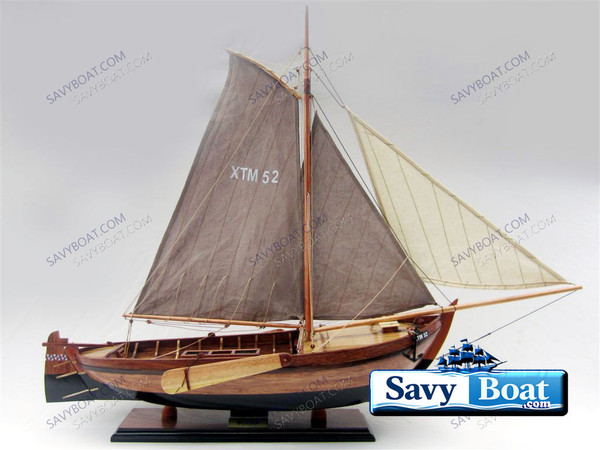
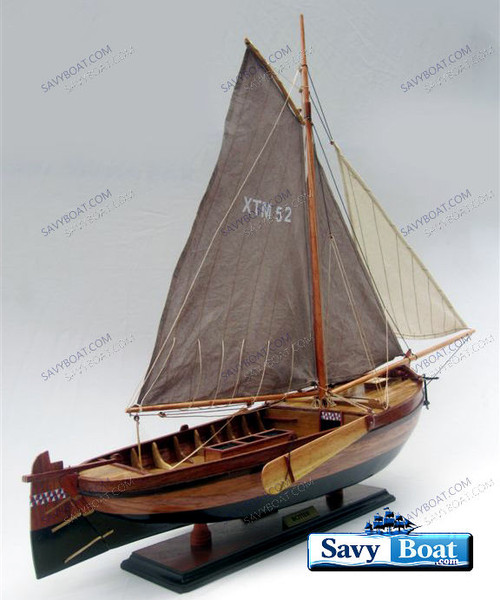
BOTTER SAIL BOAT
SAVY DIRECT PRICE $699.96MSRP: $749.99BOTTER SAIL BOAT FULLY BUILT AND READY TO DISPLAY MUSEUM QUALITY SHIP MODEL Dimension approx.: 31″ (long) x 7″ (wide) x 6″ (high) The model is already built. THIS IS NOT A MODEL SHIP...
Description

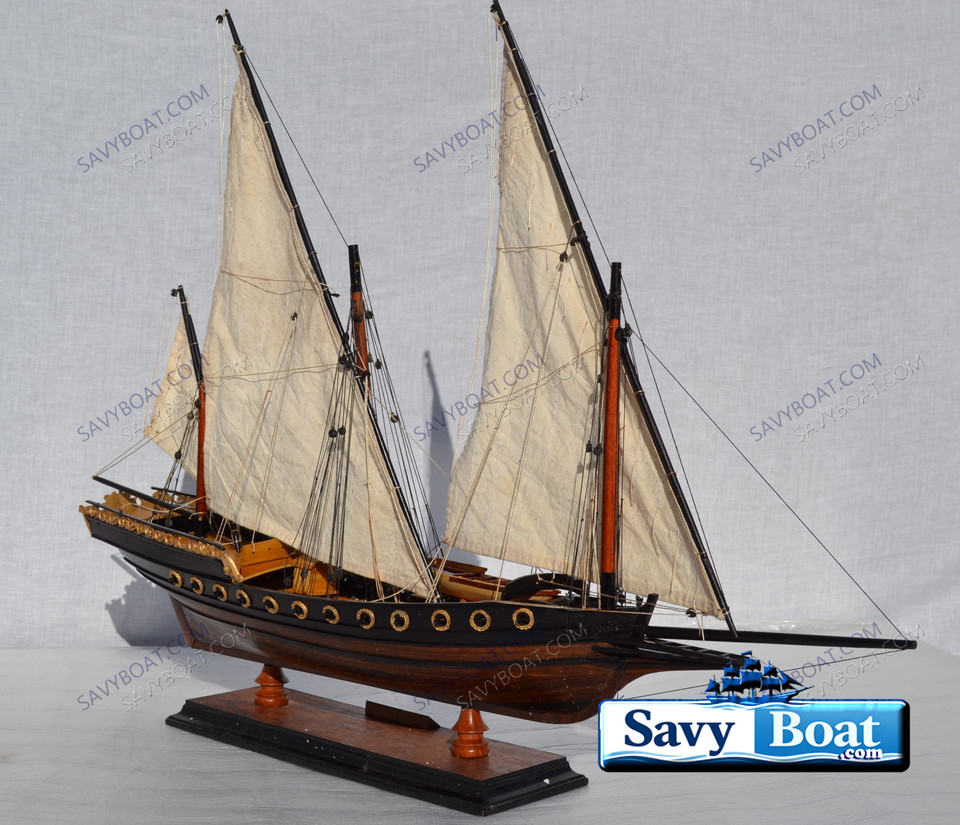
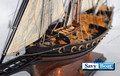
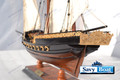
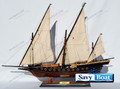
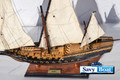
XEBEC MEDITERRANEAN SAILING VESSEL
FULLY BUILT AND READY TO DISPLAY QUALITY SHIP MODEL
- Dimension Approx.: 32″ L x 7″ W x 29″ H
- The model is already built, NOT a model ship kit
Born in the warm waters of the western Mediterranean, the xebec emerged in the 17th century as one of the most distinctive and agile sailing vessels of its age. Its origins lay with the Barbary states — Algiers, Tunis, and Tripoli — where shipwrights blended the speed of ancient galleys with the evolving sail technology of caravels and feluccas. The result was a vessel built for pursuit, escape, and sudden violence on the open sea.
A xebec was instantly recognizable. Its hull was long and narrow, flaring outward at the bow and stern in dramatic overhangs that gave the ship a predatory silhouette. With a shallow draft often no deeper than two meters, it could slip into coves, estuaries, and coastal shallows where heavier European ships dared not follow. Three masts carried powerful lateen sails — triangular and angled for tight maneuvering — while some later European variants added square sails to the foremast for better performance in Atlantic winds. Early xebecs even carried banks of oars, allowing them to glide forward in dead calm or close rapidly with a target.
In the 18th century, the xebec became the signature warship of the Barbary corsairs, who used it to raid merchant shipping from the Straits of Gibraltar to the Aegean Sea. Fast enough to overtake traders and nimble enough to evade frigates, the xebec was perfectly suited to piracy and privateering. Crews ranged from 90 to more than 300 men, and armament could include 12 to 36 guns — often a mix of long‑range bow chasers and smaller swivel guns ideal for close‑quarters intimidation.
European navies soon took notice. Spain, France, and even Britain adopted xebec‑style vessels to counter corsair fleets, appreciating their speed and versatility. Naval xebecs often carried hybrid rigs, combining lateen sails for maneuverability with square sails for ocean cruising. These ships patrolled trade routes, escorted convoys, and hunted the very corsairs whose innovations had inspired them.
For more than two centuries, the xebec dominated the Mediterranean as a fast, hard‑hitting warship. But by the mid‑19th century, steam power rendered even the swiftest sail‑driven vessels obsolete. The xebec faded from naval service, leaving behind a legacy of daring raids, coastal warfare, and maritime ingenuity.
Today, the xebec stands as one of the most iconic ships of the Mediterranean — a sleek, wind‑driven predator whose design captured the unique blend of cultures, trade, and conflict that shaped the region’s maritime history.