







-

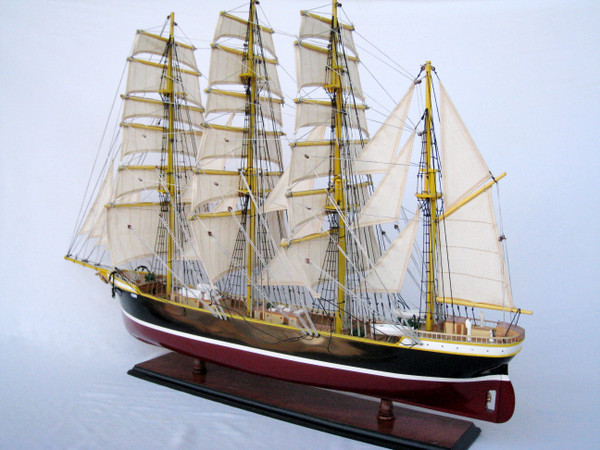
PARMA WINDJAMMER TALL SHIP W/SAILS
SAVY DIRECT PRICE $749.96MSRP: $799.99(1902-1938) PARMA TALL SHIP W/ SAILS FULLY BUILT AND READY TO DISPLAY QUALITY SHIP MODEL Dimension Approx.: 31.5″ (long) x 7″ (wide) x 27.5″ (high) The model is -


NIPPON MARU JAPANESE WINDJAMMER TALL SHIP W/SAILS
SAVY DIRECT PRICE $749.96MSRP: $799.99NIPPON MARU, 4 MASTED BARQUE TALL SHIP W/ SAILS FULLY BUILT AND READY TO DISPLAY QUALITY SHIP MODEL Dimension Approx.: 31.5″ (long) x 8.5″ (wide) x 27.5″ (high) -

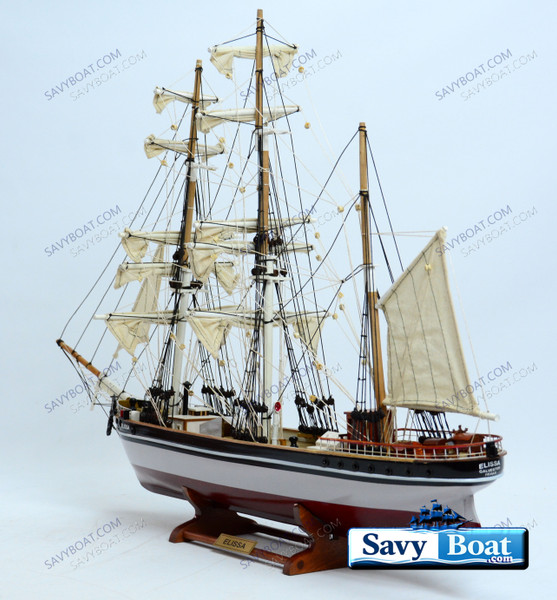
ELISSA TALL SHIP
SAVY DIRECT PRICE $739.96MSRP: $789.99ELISSA TALL SHIP FULLY BUILT AND READY TO DISPLAY QUALITY SHIP MODEL Dimension approx.: 31″ (long) x 9″ (wide) x 19″ (high) The model is already built. THIS IS NOT A MODEL SHIP...
Description

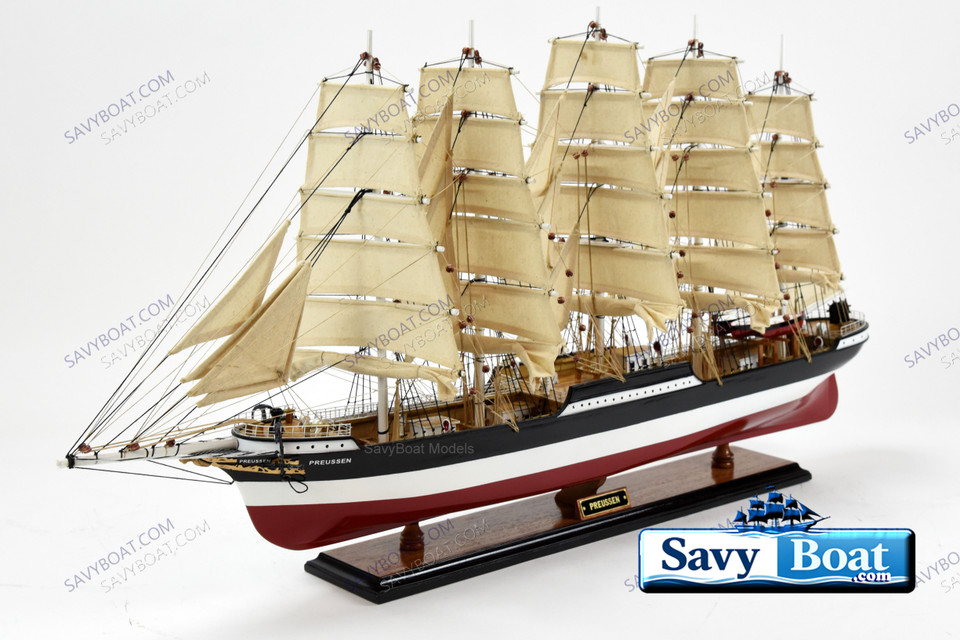
1907 PREUSSEN STEEL TALL SHIP
FULLY BUILT AND READY TO DISPLAY, HIGH QUALITY SHIP MODEL
- Dimension Approx.: 36L x 5W x 18H
- The model is already built, NOT a model ship kitn
When the Preussen slid down the ways at the Tecklenborg shipyard on 7 May 1902, she represented the absolute zenith of commercial sail. Built for the famed F. Laeisz “Flying P‑Line,” she was the only five‑masted full‑rigged ship ever constructed — a steel giant named in honor of the Kingdom of Prussia and designed to dominate the long, punishing nitrate run around Cape Horn.
Conceived by naval architect Georg Wilhelm Claussen, Preussen stretched an astonishing 147 meters in length and carried 47 sails totaling more than 6,800 square meters. Every mast and nearly every spar was steel, giving her the strength to carry a vast press of canvas even in heavy weather. With a crew of only about 45 men, aided by two small steam “donkey engines” for pumps and gear, she was a masterpiece of efficiency and power.
Preussen was built for speed — and she proved it. Capable of more than 20 knots, she set records on the Hamburg–Iquique nitrate route, including a celebrated 57‑day passage from Lizard Point to Chile. Her handling astonished mariners: she could tack cleanly even in force‑9 winds, a feat unheard of for a vessel of her size. Her “three‑island” layout, with a raised midship Liverpool house, gave her crew shelter and stability on the brutal Cape Horn run.
Across 12 voyages to Chile and a 1908 circumnavigation under charter to Standard Oil, Preussen demonstrated that the age of sail still had brilliance left in it — even as steamships rapidly overtook global trade.
Her end came suddenly. On 6 November 1910, while navigating the English Channel, Preussen was struck by the British steamer Brighton off Beachy Head. Though initially towable, a storm drove the damaged ship aground near Dover. Flooding made salvage impossible, but all crew survived. Her cargo was removed, and the remains of the great windjammer still rest near the Kent coast.
Today, the Preussen stands as a symbol of the final, triumphant chapter of commercial sail — a vessel that combined industrial‑era steel with the romance and raw power of traditional rigging. She remains one of the most celebrated sailing ships ever built, a singular achievement never repeated.