










-
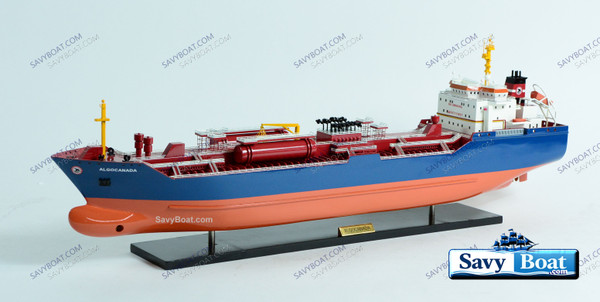
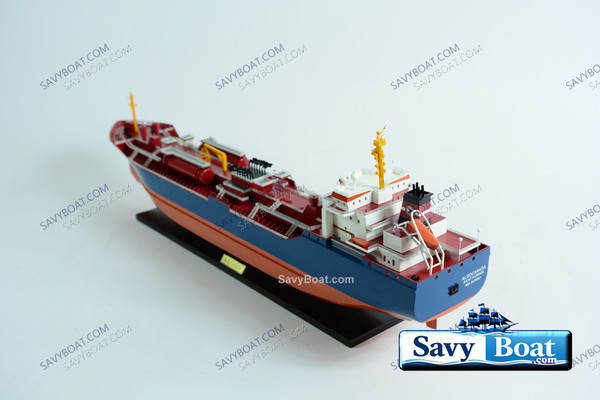
ALGOCANADA OIL TANKER
SAVY DIRECT PRICE $649.96MSRP: $749.99ALGOCANADA OIL TANKER FULLY BUILT AND READY TO DISPLAY MUSEUM QUALITY SHIP MODEL Dimension approx.: 34″ L x 5.5″ W x 12″ H The model is already built. THIS IS NOT A MODEL SHIP... -
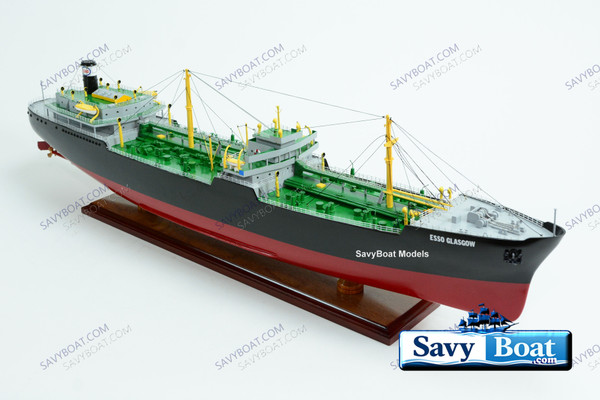

ESSO GLASGOW OIL TANKER
SAVY DIRECT PRICE $739.96MSRP: $779.99ESSO GLASGOW OIL TANKER FULLY BUILT AND READY TO DISPLAY MUSEUM QUALITY SHIP MODEL Dimension approx.: 37.5″ L x 6″ W x 10″ H. The model is already built. THIS IS NOT A MODEL SHIP... -
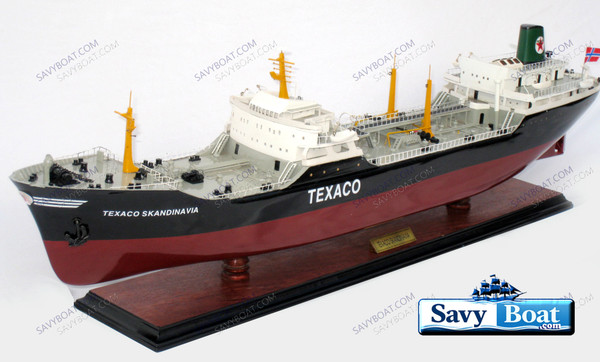
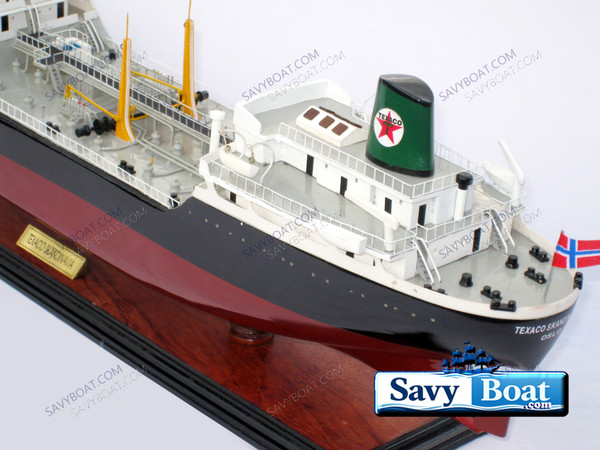
TEXACO SKANDINAVIA DIESEL TANKER
SAVY DIRECT PRICE $449.96MSRP: $499.99TEXACO SKANDINAVIA DIESEL TANKER FULLY BUILT AND READY TO DISPLAY MUSEUM QUALITY SHIP MODEL Dimension approx.: 32″ L x 5″ W x 10″ H The model is already built. THIS IS NOT A MODEL SHIP...
Description

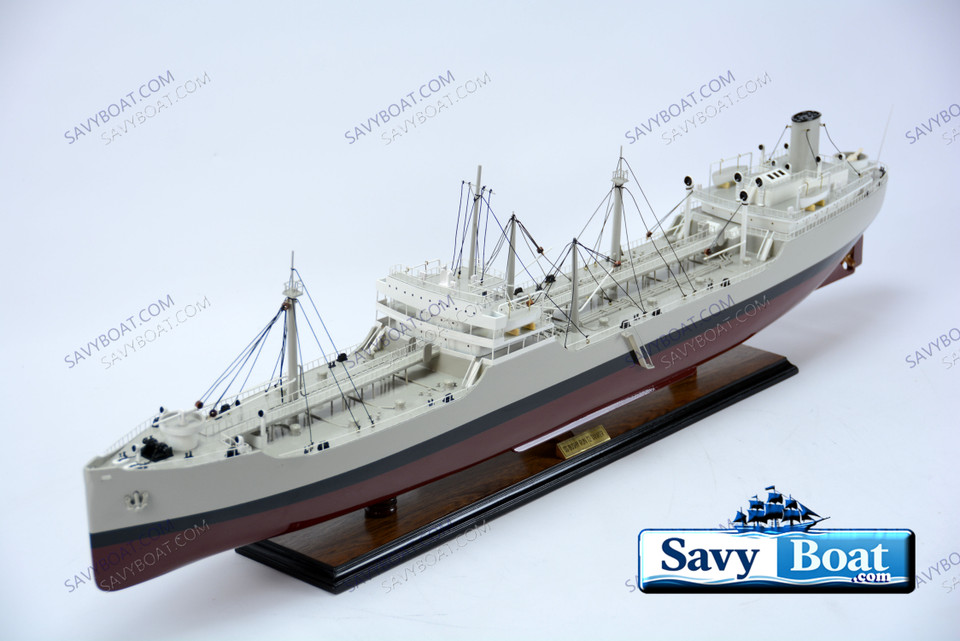
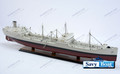
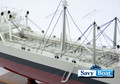
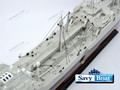
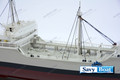
BUSHY RUN T2 TANKER
FULLY BUILT AND READY TO DISPLAY MUSEUM QUALITY SHIP MODEL
- Dimension approx.: 32″ L x 4″ W x 9″ H
- The model is already built. THIS IS NOT A MODEL SHIP KIT
The Bushy Run was born in the final, frantic year of World War II, when the United States was racing to build the tankers needed to fuel the Pacific war machine. She was one of the ubiquitous T2‑SE‑A1 class—turboelectric‑driven oil carriers built in vast numbers for the U.S. Maritime Commission. At Sun Shipbuilding & Dry Dock Co. in Chester, Pennsylvania, the pace was relentless: her keel was laid on 26 September 1944, she was launched less than three months later, and by 30 December 1944 she was completed and ready for service. Few ships of her size—159 meters long, over 16,000 deadweight tons—were built so quickly.
Like all T2s, Bushy Run was a product of wartime engineering pragmatism. Her two Westinghouse steam turbines, producing 7,240 bhp, drove her at 15 knots, fast enough to keep pace with convoys and flexible enough for independent voyages. She carried her cargo in 26 tanks, pumping the lifeblood of the Allied fleet—fuel oil, diesel, aviation gasoline—wherever it was needed. Though her individual wartime movements are not widely recorded, her class was indispensable in sustaining operations across the vast distances of the Pacific.
With the war’s end, Bushy Run entered the long, shifting world of commercial tanker service. In 1946, she was sold to Gulf Oil Corporation, and a year later renamed Gulfray. For more than a decade she hauled petroleum along the coasts and across the oceans, part of the enormous postwar expansion of global oil trade.
Then, in 1958, she underwent a transformation that extended her life far beyond that of most wartime tankers. At Maryland Shipbuilding & Drydock Co., her original midbody was removed and replaced with a new, larger cargo section. The rebuilt ship—now with 33 tanks and 11 pumping systems—was lengthened, widened, and renamed Gulflion. It was a dramatic reinvention, turning a 1940s tanker into a vessel capable of competing in the modern petroleum market.
For more than two decades after her rebuild, she continued to serve under various owners. In 1981, she became Mona under Steamship Company Mona Inc. of Los Angeles, and in 1983 she was sold to Eastern Overseas, Inc. Like many aging tankers, she moved into secondary trades, carrying fuel where newer ships were not required.
By 1984, after nearly forty years of service, her long career came to an end. Sold to shipbreakers in Taiwan, she arrived at Kaohsiung on 23 June 1984, and on 11 July the cutting torches of Chi Shun Hwa Steel Co. Ltd. began dismantling her steel hull. A ship built in a matter of months during wartime urgency was finally taken apart with the same efficiency.
The Bushy Run was never famous, but she was emblematic. She represented the industrial might of the United States at its wartime peak, the adaptability of the postwar tanker fleet, and the long, often invisible labor of ships that keep the world supplied with energy. From her hurried birth in 1944 to her quiet end in 1984, she served through four decades of global change—one more T2 tanker that helped fuel both victory and the modern world.