










-

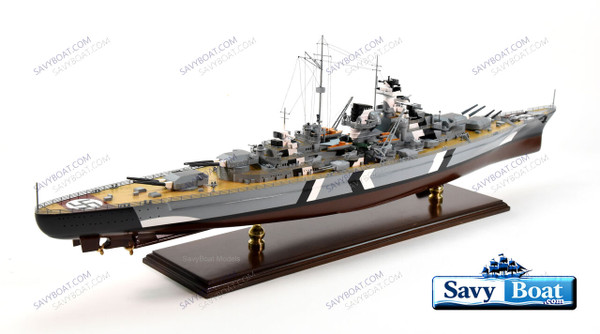
BISMARCK GERMAN BATTLESHIP
SAVY DIRECT PRICE $999.96MSRP: $1,099.99BISMARCK GERMAN BATTLESHIP FULLY BUILT AND READY TO DISPLAY MUSEUM QUALITY SHIP MODEL BEAUTIFUL MUSEUM QUALITY MODEL Dimension approx.: 40 (long) x 6″ (wide) x 12″ (high) APROX SCALE... -
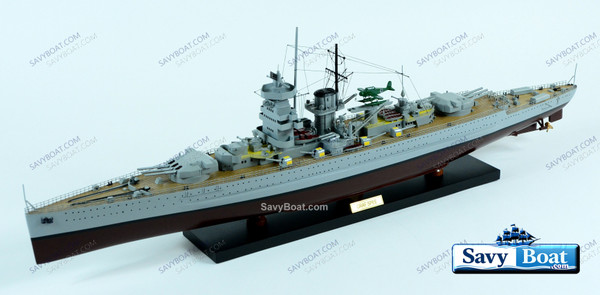

GRAF SPEE BATTLESHIP
SAVY DIRECT PRICE $799.96MSRP: $899.99GRAF SPEE BATTLESHIP FULLY BUILT AND READY TO DISPLAY MUSEUM QUALITY SHIP MODEL Dimension approx.: 39.75″ (long) x 4.75″ (wide) x 12″ (high) The model is already built. THIS IS NOT... -
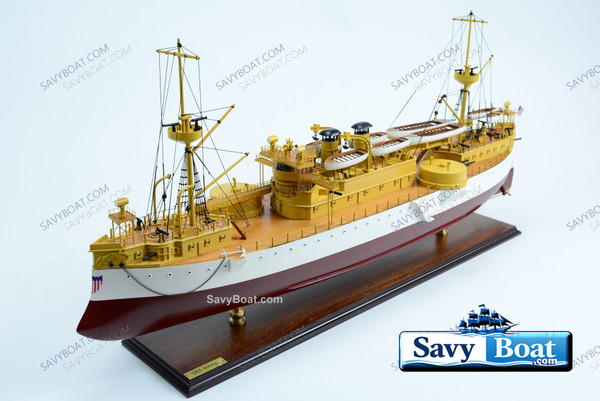
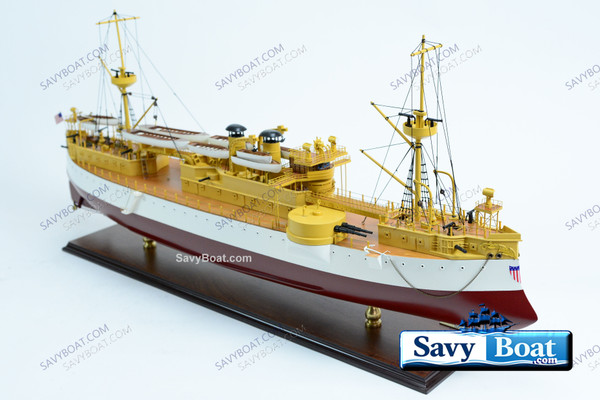
USS MAINE BATTLESHIP
SAVY DIRECT PRICE $849.96MSRP: $899.99USS MAINE SECOND CLASS BATTLESHIP FULLY BUILT AND READY TO DISPLAY, QUALITY SHIP MODEL Dimension Approx.: 32″L x 6.5″W x 14″H The model is already built, NOT a model ship kit Approximate scale...
Description

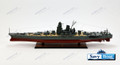
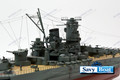
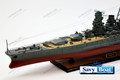
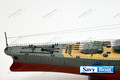
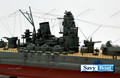
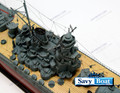
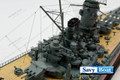
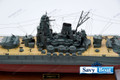
JAPANESE BATTLE SHIP YAMATO
FULLY BUILT AND READY TO DISPLAY MUSEUM QUALITY SHIP MODEL
- Dimension Approx.: 39.5″L x 6.5″W x 9.5″H
- The model is already built, NOT a model ship kit
- Approximate scale 1/260th scale
She was born beneath a shroud of secrecy, hidden under canopies at Kure as if Japan feared the world might sense the ambition taking shape in steel. “Extreme secrecy was maintained throughout construction,” the document notes, and for good reason: Yamato was meant to be the answer to America’s industrial might, a single ship so vast and so heavily armed that she could face multiple enemy battleships at once. When she slid into the water on 8 August 1940, she was the largest warship ever built—an empire’s pride forged into 72,000 tons of armor and firepower.
Commissioned a week after Pearl Harbor, Yamato quickly became the floating throne of Admiral Isoroku Yamamoto. From her bridge he directed the fleet during the fateful Battle of Midway, though the ship herself never fired a shot. The document recalls how “Yamamoto exercised overall command from Yamato’s bridge,” even as the battle unraveled into disaster. After Midway, Yamato spent long, quiet months at Truk—too slow, too fuel‑hungry, and lacking the right ammunition to influence the Guadalcanal campaign.
Her war grew harsher in 1943. A torpedo from USS Skate tore open her hull—“a hole… measuring some 25 metres across was ripped open in the hull”—forcing repairs and a growing realization that even the world’s largest battleship was vulnerable in the age of submarines and aircraft. By 1944 she bristled with anti‑aircraft guns, her decks crowded with weapons crews sleeping on planks after flammable materials were stripped away in desperate “buoyancy keeping” measures.
Her one great surface action came at Leyte Gulf. Off Samar, Yamato loomed like a steel mountain over the tiny escort carriers and destroyers of Taffy 3. Her 18‑inch guns hurled shells that dwarfed the American ships—“a single 46 cm shell exploded mere feet underneath the keel of the escort carrier White Plains”—yet confusion, torpedo attacks, and relentless air strikes turned the tide. By the time Kurita withdrew, Yamato had helped sink several ships, but the Japanese fleet had lost its last chance at a decisive victory.
In 1945, with Japan cornered and fuel nearly gone, Yamato was chosen for a final, tragic gesture. Operation Ten‑Go ordered her to sail to Okinawa with just enough fuel for a one‑way trip, beach herself, and die as a fortress. American forces knew she was coming—“the Allies had intercepted and decoded their radio transmissions”—and on 7 April waves of carrier aircraft descended upon her.
Bombs smashed her decks; torpedoes hammered her port side; fires raged uncontrollably. Listing heavily, her great guns silenced, Yamato fought for hours before the end. At 14:23, as she rolled past 120 degrees, one of her magazines detonated in a towering explosion that marked the death of the ship and the symbolic end of an era. More than 3,000 men were lost with her.
Today she rests in two great pieces on the seafloor southwest of Kyushu, her memory preserved in museums, films, and the cultural imagination of Japan. The document captures her symbolic weight: “the battleships represented the epitome of Imperial Japanese naval engineering… a profound sense of confidence in their navy.” In death, Yamato became more than a warship—she became a metaphor for the fall of the empire that built her.