









-


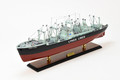
COMMERCIAL LIBERTY CARGO SHIP
SAVY DIRECT PRICE $799.96MSRP: $899.99COMMERCIAL LIBERTY CARGO SHIP FULLY BUILT AND READY TO DISPLAY MUSEUM QUALITY SHIP MODEL Dimension approx.: 34″ (long) x 5″ (wide) x 10.5″ (high) The model is already built. THIS IS NOT... -

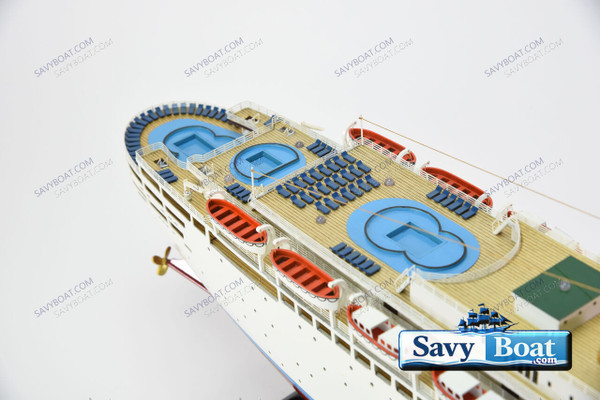
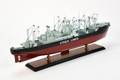
FAIRSEA PASSENGER CARGO SHIP
SAVY DIRECT PRICE $999.96MSRP: $1,099.99FAIRSEA LIGHTED PASSENGER CARGO SHIP FULLY BUILT AND READY TO DISPLAY, QUALITY SHIP MODEL Dimension approx.: 35″ L x 5″ W x 11″ H The model is already built, NOT a model ship kit Open... -
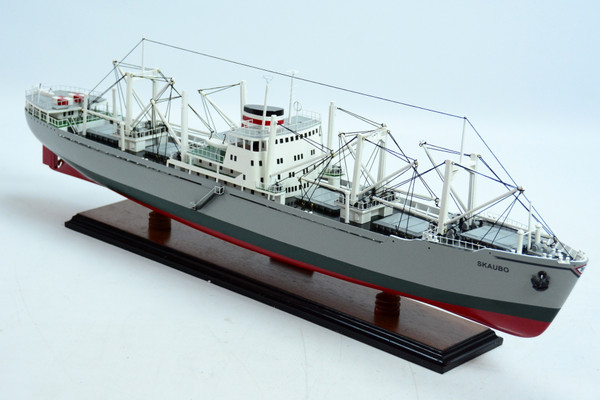

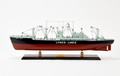
MS SKAUBO CARGO SHIP
SAVY DIRECT PRICE $949.96MSRP: $999.99MS SKAUBO CARGO SHIP FULLY BUILT AND READY TO DISPLAY MUSEUM QUALITY SHIP MODEL Dimension approx.: 30.5″ L x 4.5″ W x 9.5″ H The model is already built. THIS IS NOT A MODEL SHIP KIT The...
Description

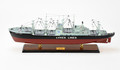
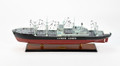
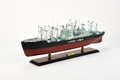
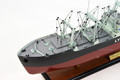
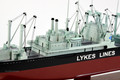
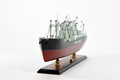
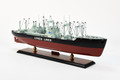
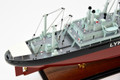
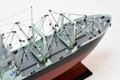
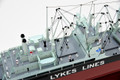
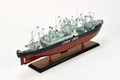
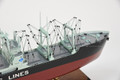
JAMES LYKES CARGO SHIP
FULLY BUILT AND READY TO DISPLAY MUSEUM QUALITY SHIP MODEL
- Dimension approx.: 30 inch L x 4 inch W x 11 inch H
- The model is already built. THIS IS NOT A MODEL SHIP KIT
For much of the 20th century, the Lykes Brothers Steamship Company was one of America’s most recognizable merchant lines, its ships carrying break‑bulk cargo across the Gulf of Mexico, the Caribbean, and eventually the world. Among the vessels that bore the company’s name, two stood out across different generations — both called James Lykes, both emblematic of the eras that built them.
The first James Lykes, launched in 1940 from Bethlehem Steel’s Sparrows Point yard, was a classic pre‑war American freighter: 395 feet long, 6,760 gross tons, powered by a 9,900‑shp General Electric steam turbine capable of about 17.5 knots. She entered service just as global conflict reshaped maritime trade. Though built for Lykes Lines’ Gulf and Caribbean routes, she operated in a world where merchant ships were increasingly drawn into wartime logistics, carrying essential cargoes for both commercial and government needs.
Through the 1940s and 1950s, she served as a dependable break‑bulk carrier — the kind of ship that loaded everything from cotton bales to machinery by crane and sling, long before containers transformed the industry. She remained in service for decades, a testament to the durability of mid‑century American shipbuilding, before finally being sold in 1995.
Two decades later, Lykes Lines commissioned a new James Lykes, built in 1960 at Ingalls Shipbuilding in Pascagoula, Mississippi. This vessel — a C3‑S‑37a general cargo ship — reflected the postwar modernization of the U.S. merchant marine. At 592 feet long and over 10,000 gross tons, she was significantly larger than her predecessor, yet powered by the same reliable 9,900‑shp GE turbine.
She sailed through a period of rapid change. The 1960s and 1970s saw Lykes Lines expand into global trade routes — the Mediterranean, the Far East, and the U.S. East and Gulf Coasts — even as containerization began to eclipse traditional break‑bulk shipping. The second James Lykes remained in service until the mid‑1990s, when she was sold for scrap and dismantled at Alang, India, in 1995.
The name James Lykes was part of a long tradition within the company of honoring members of the Lykes family, whose shipping empire began in the late 19th century with a handful of schooners and grew into one of America’s largest privately owned fleets. The two ships that carried the name served during pivotal transitions in maritime history — from the age of steam‑powered break‑bulk freighters to the dawn of containerization.
By the time both vessels were retired in the 1990s, the world they had been built for had largely vanished. Yet their careers reflect the evolution of American shipping across half a century, and the enduring legacy of Lykes Lines in the story of the U.S. merchant marine.