







-
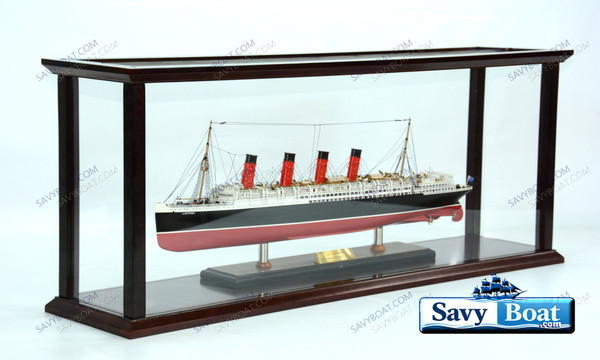
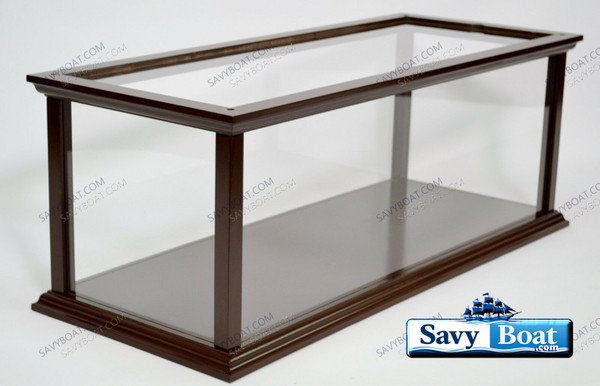
40" SPEED BOAT / CRUISE SHIP / WAR SHIP DISPLAY CASE
SAVY DIRECT PRICE $389.96MSRP: $439.99SPEED BOAT / CRUISE SHIP /WAR SHIP DISPLAY CASE Dimension approx.: 40″ L x 15.5″ W x 15.5″ Beautiful Wood Framed Display Case Suitable for models or combination of models up to 58... -


JAPANESE BATTLESHIP MIKASA Fully built large 40” ship museum quality model WWII war ship w/stand
SAVY DIRECT PRICE $849.96MSRP: $999.99IMPERIAL JAPANESE NAVY PRE-DREADNAUGHT MIKASA FULLY BUILT AND READY TO DISPLAY MUSEUM QUALITY SHIP MODEL Dimension Approx.: 40″L x 10″W x 20″H</ -


PYOTR VILIKIY RUSSIAN BATTLECRUISER
SAVY DIRECT PRICE $749.96MSRP: $799.99PYOTR VILIKIY RUSSIAN BATTLECRUISER FULLY BUILT AND READY TO DISPLAY, QUALITY SHIP MODEL Dimension approx.: 39L x 5.5W x 13H The model is already built. THIS IS NOT A MODEL SHIP...
Description

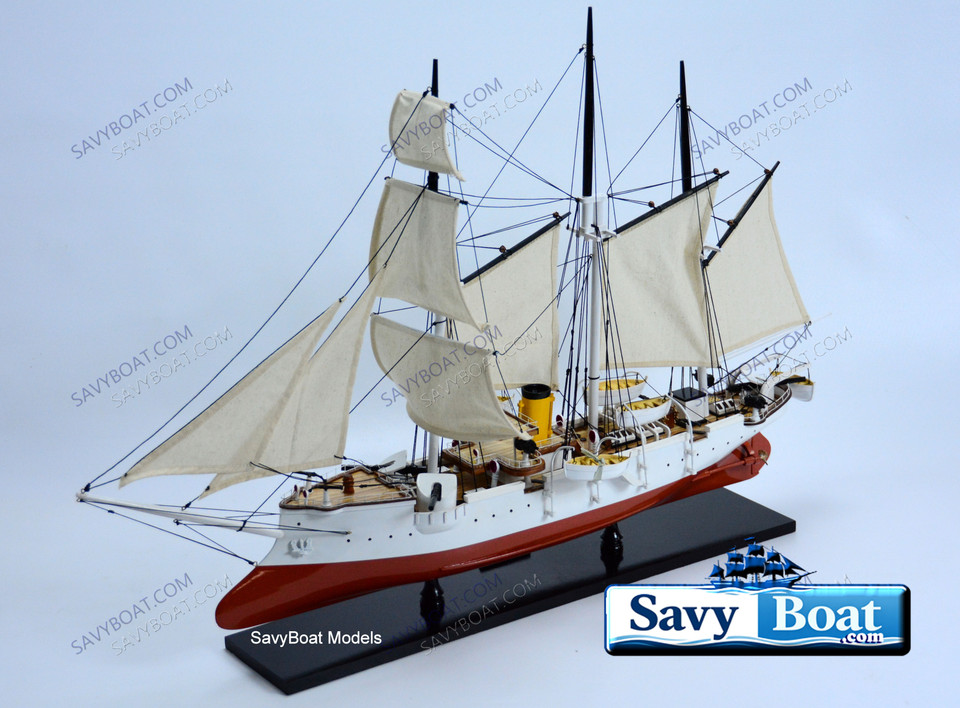
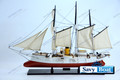
KORIETZ (KOPEEц) RUSSIAN WAR SHIP
FULLY BUILT AND READY TO DISPLAY HIGH QUALITY SHIP MODEL
- Dimension approx.: 34″ (long) x 9″ (wide) x 23″ (high)
- The model is already built. THIS IS NOT A MODEL SHIP KIT
When the steel‑hulled gunboat Korietz slid into the water at the Bergsund Mekaniska shipyard in Stockholm in 1886, she represented a new direction for the Imperial Russian Navy. Built for distant service in the Far East, she was compact, sturdy, and heavily armed for her size — a ship meant to show the Russian flag in colonial waters, protect outposts, and stand ready in the tense geopolitical climate of East Asia.
Commissioned in 1888, Korietz became the lead ship of a small class of gunboats designed for shallow coastal waters and long‑range patrols. With her combination of sails and a double‑expansion steam engine, she could cruise thousands of miles at modest speed, carrying a crew of nearly 180 men and an armament that included two 8‑inch guns, a 6‑inch stern gun, and a torpedo tube. She was not fast, but she was formidable for her role.
By 1895, Korietz had joined the Russian Pacific Fleet, beginning a long career in the waters of Korea, Japan, and northern China. She became a familiar sight in the treaty ports of the region, a symbol of Russian influence during a period when the great powers were carving spheres of control across East Asia.
Her first taste of combat came during the Boxer Rebellion in 1900. As part of the Eight‑Nation Alliance, Korietz took part in the bombardment of the Taku Forts, where she was struck six times by Chinese fire. Nine of her crew were killed and twenty wounded — a heavy toll for a small gunboat, and a stark reminder of the volatility of the region she patrolled.
By early 1904, tensions between Russia and Japan had reached a breaking point. Korietz, stationed at Chemulpo (modern Incheon), was paired with the cruiser Varyag to protect Russian interests in Korea. On 8 February, in the confusion of rising hostilities, Korietz mistook the Japanese cruiser Chiyoda for a friendly vessel and fired a salute. The misunderstanding escalated into an exchange of fire, and Chiyoda launched a torpedo that narrowly missed — a chaotic prelude to the war that would begin the next day.
On 9 February 1904, Korietz and Varyag attempted to break out of Chemulpo Bay in what became the opening naval engagement of the Russo‑Japanese War. Vastly outnumbered by a modern Japanese squadron, the two Russian ships fought bravely but hopelessly. Korietz fired 52 rounds, though most fell short or wide; she suffered only minor damage, but the outcome was inevitable. When Varyag was forced to surrender, Korietz’s captain ordered the gunboat scuttled to prevent her capture.
Her crew evacuated to neutral warships — including the French cruiser Pascal — and were later interned. Korietz herself was destroyed in a controlled explosion near Khoum Wolm Island, ending her service in a plume of smoke rather than in enemy hands.