










-

LE PROTECTEUR FRENCH TALL SHIP
SAVY DIRECT PRICE $1,199.96MSRP: $1,299.99LE PROTECTEUR FRENCH TALL SHIP FULLY BUILT AND READY TO DISPLAY MUSEUM QUALITY SHIP MODEL Dimension approx.: 30.7L x 7.4W x 30.7H (in) The model is already built. THIS IS NOT A MODEL... -


LE SOLEIL FRENCH TALL SHIP
SAVY DIRECT PRICE $599.96MSRP: $649.99LE SOLEIL FRENCH TALL SHIP FULLY BUILT AND READY TO DISPLAY SHIP MODEL Dimension approx.: 31″ L x 10″W x 26.5″H The model is already built. THIS IS NOT A MODEL SHIP KIT In the late... -


LE BELEM TALL SHIP
SAVY DIRECT PRICE $899.96MSRP: $949.99LE BELEM TALL SHIP FULLY BUILT AND READY TO DISPLAY, SHIP MODEL Dimension approx.: 27.5L x 5.11W x 27.5H The model is already built. THIS IS NOT A MODEL SHIP KIT When Le Belem...
Description

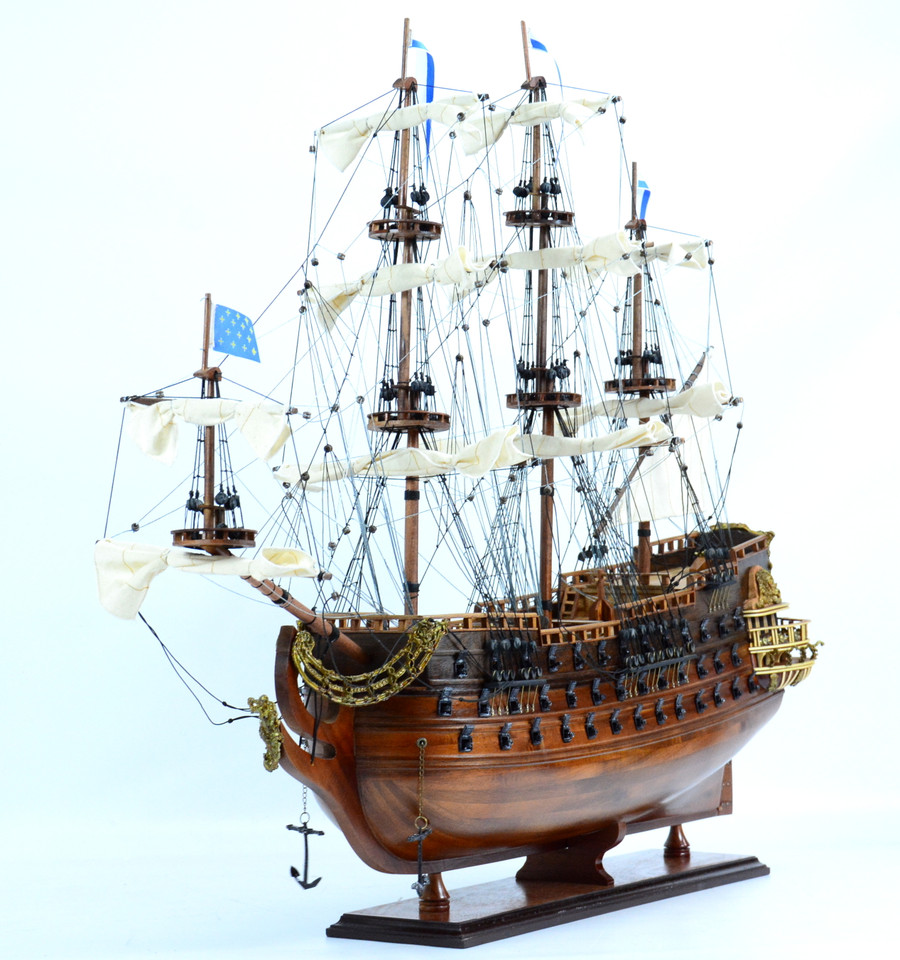
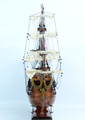
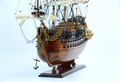
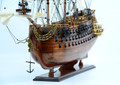
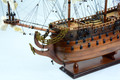
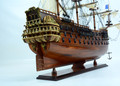
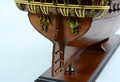
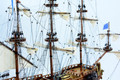
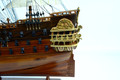
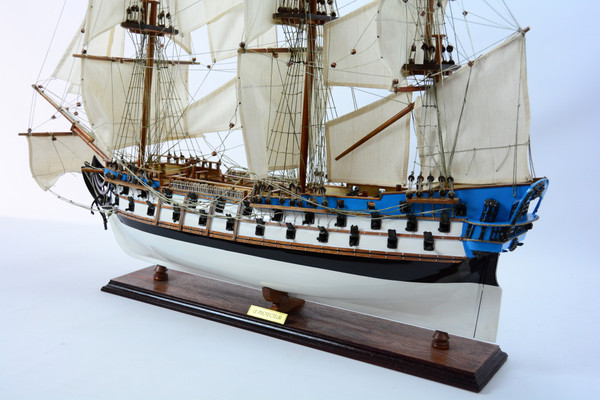
LE FURIEUX FRENCH TALL SHIP
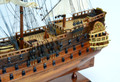
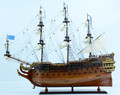
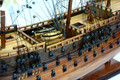
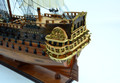
FULLY BUILT AND READY TO DISPLAY MUSEUM QUALITY SHIP MODEL
- Dimension approx.: 32″ (long) x 11″ (wide) x 35″ (high)
- The model is already built. THIS IS NOT A MODEL SHIP KIT
In the early 1670s, as France expanded its naval power under the ambitious reforms of Jean‑Baptiste Colbert, a new fourth‑rate ship of the line took shape in the shipyards of Toulon. Her keel was laid in 1670, and by 6 July 1671, she slid into the Mediterranean as Le Furieux — a compact but capable warship built for the growing blue‑water ambitions of Louis XIV’s Marine Royale.
She was not one of the great three‑deckers that symbolized French naval prestige, but she was a sturdy and well‑armed vessel: 58 guns arranged across two decks and the quarterdeck, with 18‑pounders on the lower battery and 12‑pounders above. Ships like Le Furieux formed the backbone of the fleet — versatile enough for convoy escort, squadron maneuvers, and coastal operations, yet powerful enough to stand in the line of battle when needed.
Commissioned on 6 June 1672, she entered service during a period of near‑constant maritime tension. Under Captain de L’Isle Calian, she joined Bompart’s squadron in 1762, part of France’s efforts to maintain naval presence and protect its interests during the final years of the Franco‑Dutch conflicts. Four years later, in 1766, she sailed under Captain de Broves, escorting merchant convoys — the essential but often overlooked work that kept France’s maritime commerce alive.
As the decades passed, the ship’s role shifted with the needs of the navy. In 1678, she was renamed Brillant, a common practice as ships were reorganized, rebuilt, or reassigned within the fleet. But her years of service were limited. Naval technology and tactics were evolving rapidly, and smaller fourth‑rates like Le Furieux were increasingly overshadowed by larger, more heavily armed ships.
By 8 August 1687, after just over fifteen years in service, she was condemned at Toulon — declared unfit for further naval duty — and sold for break‑up. Her timbers, once part of a proud warship, were likely repurposed into civilian structures or smaller vessels, as was common practice.
Though her career was brief and largely unrecorded in major battles, Le Furieux represents the working ships of the early French battlefleet — vessels that filled out squadrons, protected commerce, and helped build the naval foundation that would later support France’s great maritime campaigns under Tourville and d’Estrées.