







-

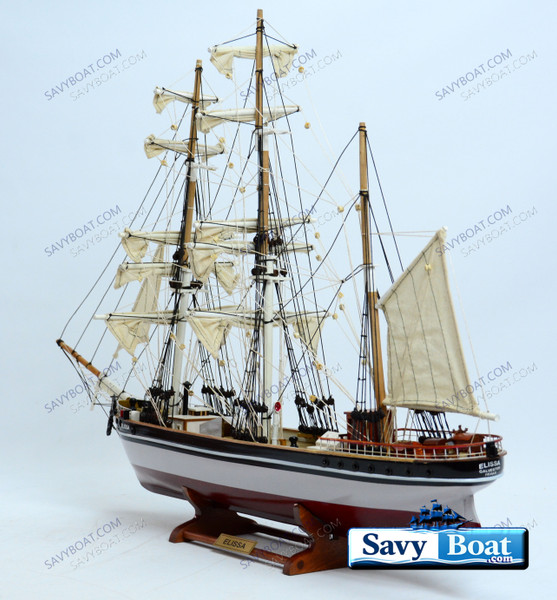
ELISSA TALL SHIP
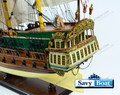
SAVY DIRECT PRICE $739.96MSRP: $789.99ELISSA TALL SHIP FULLY BUILT AND READY TO DISPLAY QUALITY SHIP MODEL Dimension approx.: 31″ (long) x 9″ (wide) x 19″ (high) The model is already built. THIS IS NOT A MODEL SHIP... -
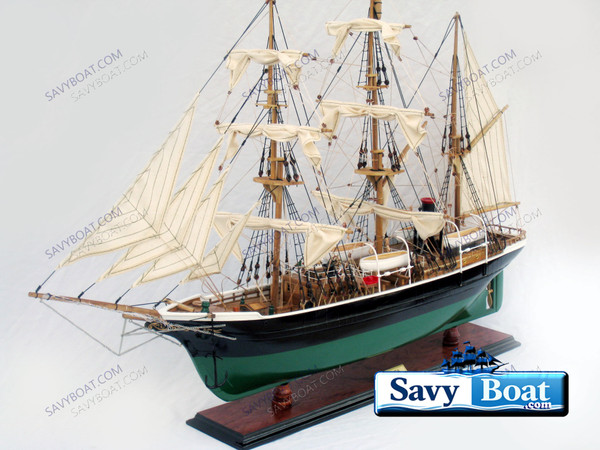
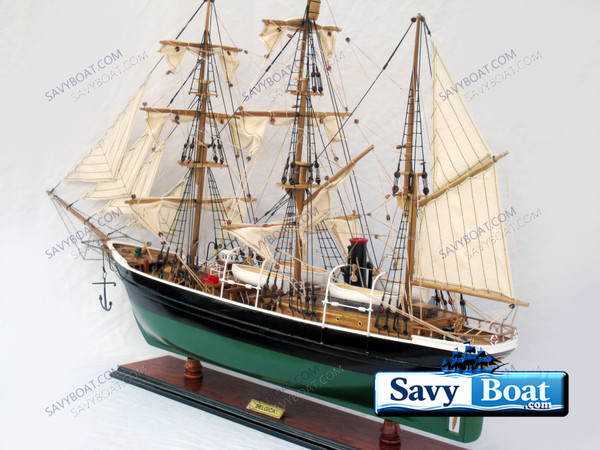
BELGICA TALL SHIP
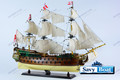
SAVY DIRECT PRICE $799.96MSRP: $849.99BELGICA TALL SHIP FULLY BUILT AND READY TO DISPLAY, QUALITY SHIP MODEL Dimension approx.: 28.74L x 5.51W x 25.59H (inches) The model is already built. THIS IS NOT A MODEL SHIP KIT When... -


FRAM (FORWARD) TALL SHIP
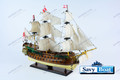
SAVY DIRECT PRICE $499.96MSRP: $549.99FRAM (FORWARD)TALL SHIP FULLY BUILT AND READY TO DISPLAY HIGH QUALITY SHIP MODEL Dimension approx.: 28 inch L x 8 inch W x 23 inch H The model is already built. THIS IS NOT A...
Description

NORSKE LøVE TALL SHIP WITH SAILS
FULLY BUILT AND READY TO DISPLAY, HIGH QUALITY SHIP MODEL
- Dimension Approx.: 39″ (long) x 9.5″ (wide) x 28″ (high)
- The model is already built, NOT a model ship kit
Across the North Atlantic, few shipwreck stories are as deeply woven into local memory as that of the Norske Løve — the “Norwegian Lion” — a name carried by several Danish ships over the centuries, but remembered most vividly through the ill‑fated East India Company vessel of 1704. Built for the Danish East India Company and armed with 36 guns, this Norske Løve was part merchantman, part warship, intended for the long, hazardous voyages between Copenhagen and the company’s Asian outposts.
Her story, however, begins even earlier. Records from the late 17th century mention ships bearing the same name sailing in the Indian Ocean, carrying cargo and, at times, enslaved people to and from the Danish colony of Tranquebar. As was common in the Dano‑Norwegian world, the name “Norske Løve” was reused for multiple vessels — a symbol of royal authority and maritime strength.
The 1704 ship set out from Copenhagen on 4 December 1707, bound for Asia, but the voyage quickly turned disastrous. On 18 December, lightning struck the vessel, damaging her rigging. The following day, in worsening seas, the master Roluf Meincke ordered the mainmast cut away to save the ship — a desperate act that brought down the mizzen mast as well. A massive breaker slammed into the hull, killing fourteen men and leaving the ship crippled in the winter North Atlantic.
Drifting and unable to continue, the Norske Løve was driven toward the Faroe Islands, where on 31 December 1707 she finally succumbed to the sea in Lambavík. Miraculously, around one hundred crew survived, clinging to wreckage and making their way ashore. Salvage efforts began almost immediately, but nature intervened again: a landslide buried the remains of the ship, sealing the wreck beneath the cliffs where it has remained ever since.
Two artifacts survived to carry the story forward. The ship’s bell, cast in 1704, was recovered and placed in Tórshavn Cathedral, where it still hangs today. A votive model of the Norske Løve — built by survivors in gratitude — also resides there, a quiet reminder of the ship’s final voyage. The disaster entered Faroese cultural memory, inspiring a traditional chain‑dance ballad still sung today.
The name Norske Løve lived on in the Danish navy. Later ships of the line — launched in 1735 and 1765, each carrying 70 guns — bore the same proud title, serving in the Dano‑Norwegian fleet during the age of sail. But none would leave as enduring a mark as the East India Company ship lost in the Faroes.
Today, the Norske Løve’s story stands at the intersection of maritime history and folklore — a tale of ambition, disaster, survival, and remembrance. Through the bell, the model, and the songs of the Faroe Islands, the Norwegian Lion still roars across the centuries.