








-


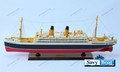
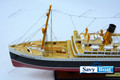
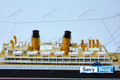
RMS EMPRESS of FRANCE
SAVY DIRECT PRICE $1,199.96MSRP: $1,349.99RMS EMPRESS OF FRANCE, CANADIAN PACIFIC LINE (formerly Duchess of Bedford) FULLY BUILT AND READY TO DISPLAY MUSEUM QUALITY SHIP MODEL Dimension approx.: 36″ L x 5.5″W -

RMS EMPRESS OF BRITAIN
SAVY DIRECT PRICE $899.96MSRP: $999.99EMPRESS OF BRITAIN FULLY BUILT AND READY TO DISPLAY MUSEUM QUALITY SHIP MODEL Dimension approx.: 33″ L x 5.5″W x 13″ H Scale 1:250 The model is already built, NOT a model ship... -


RMS EMPRESS of JAPAN
SAVY DIRECT PRICE $1,299.00MSRP: $1,349.00RMS EMPRESS OF JAPAN, CANADIAN PACIFIC LINE FULLY BUILT AND READY TO DISPLAY MUSEUM QUALITY SHIP MODEL Dimension approx.: 36″ L x 5.5″W x 13″ H Scale 1:200 The model is already built,...
Description

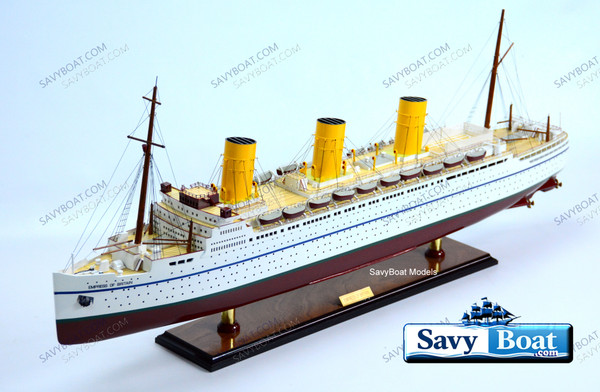
RMS EMPRESS OF IRELAND, CANADIAN PACIFIC LINE
FULLY BUILT AND READY TO DISPLAY MUSEUM QUALITY SHIP MODEL
- Dimension approx.: 36″ L x 5.5″W x 13″ H Scale 1:250
- The model is already built, NOT a model ship kit
- Handcrafted from scratch using finest woods & metal fittings
- This beautiful model is already built, NOT a kit.
- Handcrafted from finest wood and metal fittings.
- Open die cut side hull windows, NOT painted like those built by most other companies.
- The model is 100% hand built by artisans from scratch
- Hand-painted to match the actual ship.
The Empress of Ireland slipped down the Saint Lawrence River on a calm, fog‑tinged night in May 1914, beginning what should have been a routine eastbound crossing to Liverpool. She was a proud Canadian Pacific liner—swift, modern, and well‑appointed—fresh from her 95th successful round trip. But in the early hours of 29 May, as she cleared Pointe‑au‑Père and shaped her course toward the open Atlantic, a bank of fog rolled suddenly across the water. Moments earlier, her crew had clearly seen the masthead lights of the Norwegian collier Storstad approaching on a reciprocal course. Then the mist swallowed everything. Whistles echoed through the darkness as both ships groped blindly forward. When the fog thinned for a heartbeat, Storstad loomed out of the grey only a hundred feet away—too close, too fast. At 01:56 she struck the liner amidships, tearing open a fatal wound that poured in “60,000 imperial gallons… per second” as the ship heeled sharply to starboard.
The disaster unfolded with terrifying speed. Water surged through open portholes and down passageways before the crew could reach the manually operated watertight doors. Passengers in the lower decks—many of them emigrants and families—were trapped almost instantly. Above, lifeboats on the port side swung uselessly at impossible angles as the ship listed. Only five boats were successfully launched. Within ten minutes the lights failed, plunging the liner into darkness; within fourteen minutes of the collision, the Empress of Ireland rolled onto her side, paused as if catching a final breath, and then slipped beneath the river at 02:10.
Of the 1,477 souls aboard, only 465 survived. Entire families were lost, including 162 of the 170 Salvation Army members traveling to a London congress. Among the dead were actors, explorers, immigrants, and children—only three children survived the night. Rescue boats from Pointe‑au‑Père and Rimouski arrived swiftly, but by then the frigid water had claimed nearly all who had not been pulled aboard Storstad’s lifeboats. The wreck settled in just 40 meters of water, close enough to shore that newspapers carried eyewitness accounts within days, yet the scale of the tragedy made it the worst peacetime maritime disaster in Canadian history.
!