









-


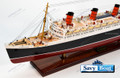
SS POSEIDON LIGHTED OCEAN LINER
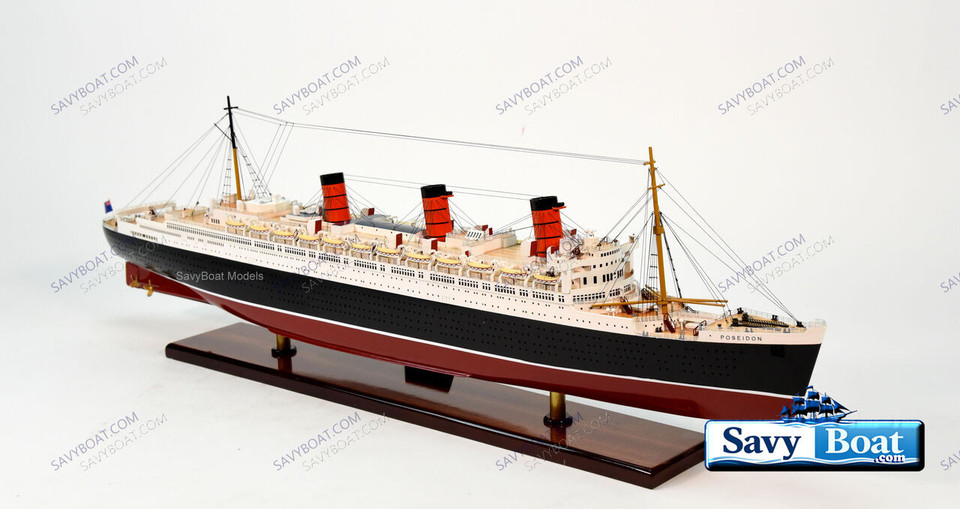
SAVY DIRECT PRICE $1,099.96MSRP: $1,199.99SS POSEIDON LIGHTED OCEAN LINER FULLY BUILT AND READY TO DISPLAY, HIGH QUALITY SHIP MODEL Dimension Approx.: 36.5″ L x 4.5″ W x 11.5″ H LIGHTED - LED LIGHTS pre-install -


SS AMERICA OCEAN LINER
SAVY DIRECT PRICE $699.96MSRP: $749.99SS AMERICA OCEAN LINER FULLY BUILT AND READY TO DISPLAY BOAT MODEL Dimension approx.: 40″ L x 6″ W x 12.5″ H The model is already built. THIS IS NOT A MODEL SHIP KIT When the SS... -
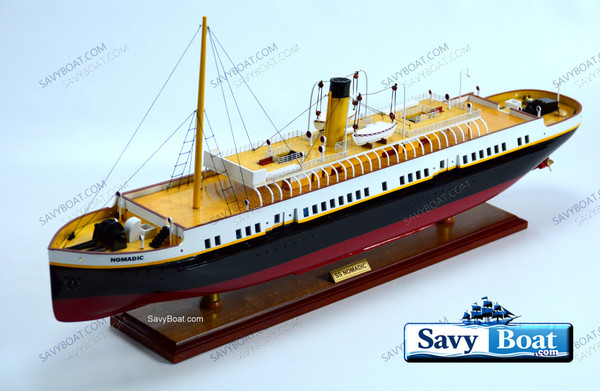
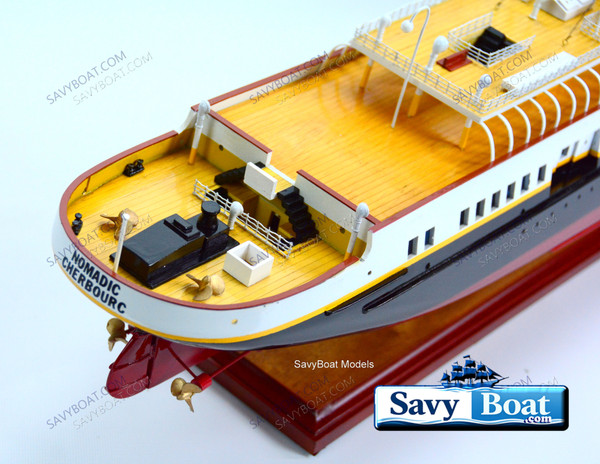
SS NOMADIC OCEAN LINER
SAVY DIRECT PRICE $699.96MSRP: $749.99SS NOMADIC OCEAN LINER FULLY BUILT AND READY TO DISPLAY BOAT MODEL Dimension approx.: 34"L x 6"W x 15"H The model is already built. THIS IS NOT A MODEL SHIP KIT
Description

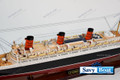
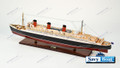
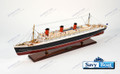
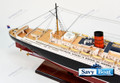
SS POSEIDON OCEAN LINER
FULLY BUILT AND READY TO DISPLAY, HIGH QUALITY SHIP MODEL
- Dimension Approx.: 36.5″ L x 4.5″ W x 11.5″ H
- The model is already built, NOT a model ship kit
Few passenger ships have captured the public imagination as powerfully as the Poseidon — not because of a long career at sea, but because of the dramatic fictional disaster that made her a cultural icon. Though often described in popular retellings as a grand Cunard liner built in the 1930s and lost in a catastrophic capsizing in 1972, the Poseidon’s true legacy lies in storytelling rather than maritime history. She is the imagined centerpiece of one of the most influential disaster narratives of the 20th century.
According to the fictionalized accounts that inspired The Poseidon Adventure, the Poseidon was conceived as a record‑breaking luxury liner of the 1930s, a ship that rivaled the great transatlantic queens in size and elegance. She is described as offering vast public rooms, sweeping promenades, and the refined comforts expected of the era’s premier passenger vessels. In these stories, she served both the Atlantic and Mediterranean routes, carrying generations of travelers in an age when ocean liners were symbols of national pride and technological achievement.
During World War II, the Poseidon’s fictional history places her in military service, converted into a troopship before returning to civilian life in the postwar boom. For decades she is imagined as a stalwart of international travel, a ship that weathered the transition from the golden age of liners to the dawn of jet aviation.
The dramatic turning point in the Poseidon legend comes on New Year’s Eve, 1971, when she is portrayed as embarking on her final voyage from New York to Athens. In the story, a massive wave — sometimes described as a tsunami, sometimes as a rogue storm surge — strikes the ship shortly after midnight on January 1, 1972, rolling her onto her side and trapping passengers inside the overturned hull. By the next morning, the Poseidon sinks, leaving only a handful of survivors. The fictional death toll, often cited as nearly 3,800, underscores the scale of the imagined tragedy.
This narrative became the foundation for Paul Gallico’s 1969 novel and the 1972 film The Poseidon Adventure, which transformed the capsizing of a luxury liner into one of cinema’s most enduring disaster stories. The film’s depiction of an inverted ship — chandeliers hanging downward, staircases rising into the sea — became iconic, influencing decades of maritime disaster storytelling. Though the Poseidon never existed as a real vessel, her image became so vivid that she entered popular memory alongside genuine ocean liners.
Today, the Poseidon stands as a symbol not of maritime history, but of the way ships can inhabit the cultural imagination. She represents the drama, vulnerability, and grandeur of the great liners, distilled into a single fictional vessel whose story continues to resonate through novels, films, and the enduring fascination with the sea’s unpredictable power.