

















-


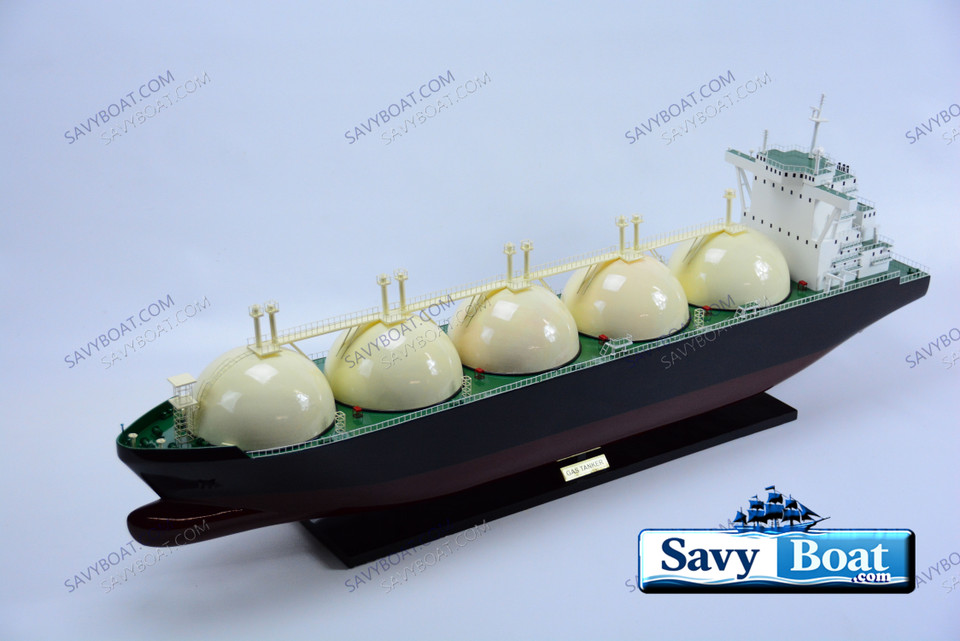
RED DRAGON GAS TANKER SHIP
SAVY DIRECT PRICE $899.96MSRP: $949.99RED DRAGON GAS TANKER SHIP FULLY BUILT AND READY TO DISPLAY, HIGH QUALITY SHIP MODEL Dimension Approx.: 34.25L x 4.75W x 12.5H The model is already built, NOT a model ship kit L -

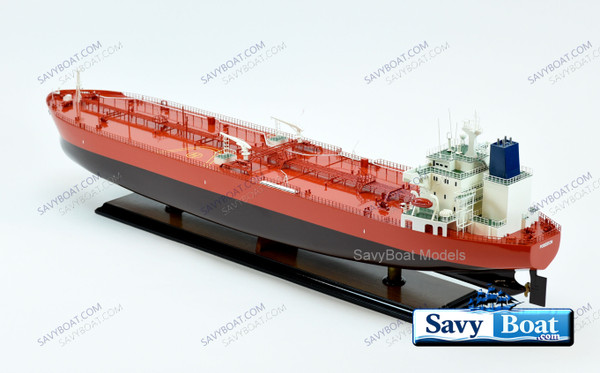
STEN POSEIDON OIL TANKER SHIP
SAVY DIRECT PRICE $999.96MSRP: $1,099.99STEN POSEIDON OIL TANKER FULLY BUILT AND READY TO DISPLAY, HIGH QUALITY SHIP MODEL Dimension Approx.: 344″ L x 8″ W x 11″ H The model is already built, NOT a model ship kit </ -

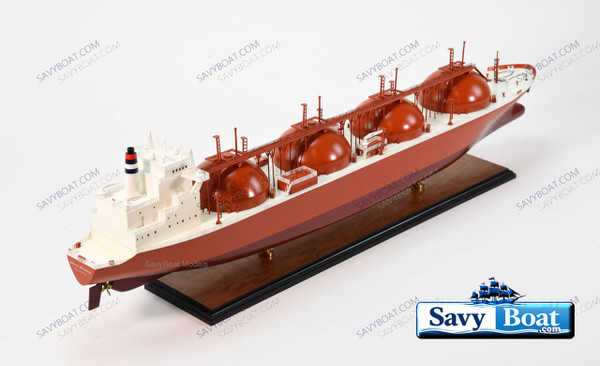
GAS LNG TANKER SHIP LARGE 36" SCALE FULLY BUILT SHIP MUSEUM MODEL W/STAND
SAVY DIRECT PRICE $899.96MSRP: $989.99GAS LNG TANKER SHIP FULLY BUILT AND READY TO DISPLAY MUSEUM QUALITY SHIP MODEL ARGE MUSEUM QUALITY MODEL Dimension Approx.: 36″ (long) x 6″ (wide) x 9.5″ (high). The model is 100% hand built...
Description

SPECIFICATION GAS TANKER COMMERCIAL SHIP
FULLY BUILT AND READY TO DISPLAY QUALITY SHIP MODEL
- Dimension approx.: 39″ (long) x 7″ (wide) x 13.5″ (high)
- The model is already built. THIS IS NOT A MODEL SHIP KIT
The history of gas tankers is a story of engineering ingenuity—an evolution from improvised conversions to some of the most technologically advanced vessels afloat. Their development mirrors the world’s growing reliance on liquefied gases such as LPG, LNG, ethylene, and other cryogenic cargoes, each demanding new levels of precision, safety, and innovation at sea.
The first steps came in the 1930s, when oil companies began experimenting with the transport of liquefied petroleum gas. In 1934, two oil tankers were modified to carry small riveted pressure vessels, allowing LPG to be shipped over long distances for the first time. These early carriers were crude by modern standards—no insulation, no refrigeration, and limited capacity—but they proved that liquefied gases could be safely moved across oceans.
A true revolution arrived in 1959 with the Methane Pioneer, the world’s first oceangoing LNG carrier. Carrying just 5,500 m³ of liquefied methane from Louisiana to England, she demonstrated that natural gas could be cooled to –162 °C, reduced to 1/600th of its volume, and transported across the Atlantic. Her success led directly to the first purpose‑built LNG carriers—Methane Princess and Methane Progress—in the late 1960s, each with capacities approaching 27,000 m³. These ships marked the beginning of a global LNG trade.
As demand grew, so did the technology. LNG carriers required tanks capable of withstanding extreme cold without cracking or leaking. Early aluminum independent tanks gave way to two dominant systems:
-
Moss spherical tanks, the iconic domed structures that sit above deck like giant white orbs
-
GTT membrane systems, thin stainless‑steel or Invar layers supported by insulation, maximizing cargo volume
Meanwhile, semi‑pressurized/semi‑refrigerated designs emerged, offering flexibility to load at both pressurized and refrigerated terminals—ideal for regional LPG and petrochemical trades.
The LPG sector developed along a parallel path. Smaller, fully pressurized carriers with Type C steel pressure vessels became common for coastal and short‑haul routes. Larger semi‑refrigerated and fully refrigerated LPG carriers followed, some exceeding 90,000 m³. Modern LPG ships increasingly use dual‑fuel engines, burning LPG for cleaner, more efficient propulsion.
By the late 20th century, gas tankers had become some of the most regulated ships in the world. The IGC Code standardized construction, equipment, and safety requirements, ensuring that vessels carrying cryogenic or pressurized gases met rigorous international standards.
Today’s gas tankers are marvels of marine engineering. Q‑Max LNG carriers—the giants of the fleet—carry up to 266,000 m³ of LNG, while mainstream LNG carriers typically range from 170,000 to 180,000 m³. Many are designed to burn their own cargo as fuel, reducing emissions and improving efficiency. Specialized LEG carriers transport ethylene at temperatures as low as –104 °C, supporting the global plastics and chemical industries.
From the modest conversions of the 1930s to the towering cryogenic vessels of the modern era, gas tankers have transformed the way the world moves energy. They are the quiet enablers of global trade—ships built to carry some of the most challenging cargoes on Earth with precision, safety, and reliability.